How High-Performance Coatings Improve Energy Efficiency in Commercial Buildings
November 19, 2024
The Best Tools and Supplies for a Successful DIY Paint Job
December 10, 2024
When achieving long-lasting and high-performing coatings, the spotlight often falls on the type of paint or coating product used. However, one crucial factor that is frequently underestimated is surface preparation. The success of any coating project relies heavily on the condition and preparation of the substrate before application. Even the most advanced coatings can fail prematurely if the surface they are applied to is improperly prepared. Neglecting this step can lead to costly failures and repeated applications, a risk no professional can afford to take.
In this blog, we delve into the importance of surface preparation, the steps involved, and why it’s a non-negotiable aspect of any professional coating project. We’ll also explore real-world scenarios where proper preparation has made all the difference.
Why Surface Preparation Matters
Ensuring Adhesion
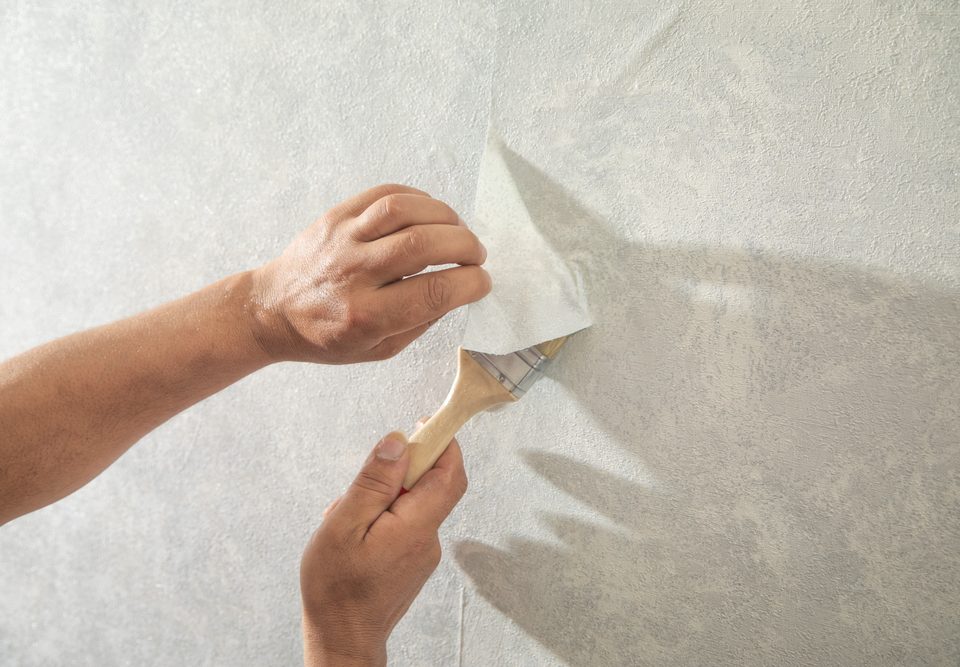
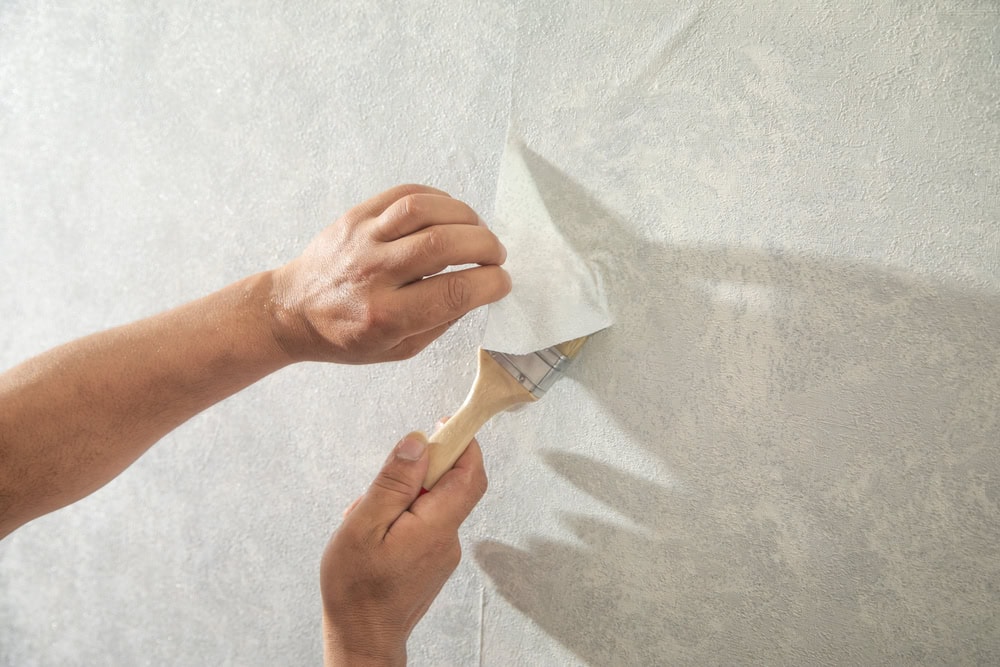
Adhesion is the foundation of any successful coating application. Surface preparation removes contaminants, old coatings, and imperfections that could interfere with the coating’s ability to bond to the substrate. Without proper adhesion, coatings are prone to peeling, blistering, and flaking, significantly reducing their lifespan.
Enhancing Durability
Prepared surfaces are better equipped to handle environmental exposure, abrasion, and chemical contact stresses. Proper preparation creates a stable base, ensuring that the coating remains intact and functional for its intended lifespan.
Preventing Premature Failures
Many coating failures can be traced back to inadequate surface preparation. Contaminants like dirt, oil, rust, or moisture can create weak points, leading to corrosion, cracking, or bubbling. Addressing these issues before applying the coating ensures a robust and long-lasting finish. Neglecting this step can lead to costly rework, premature coating failure, and potential safety hazards.
Meeting Compliance Standards
Surface preparation is often a key requirement in industries where coatings must meet specific regulatory or safety standards. For example, coatings used in food processing or healthcare facilities must adhere to strict hygiene and durability guidelines, which depend on meticulous surface preparation.
Steps in Effective Surface Preparation
Step 1: Inspection and Assessment
The first step in surface preparation is a thorough inspection of the substrate. This involves identifying potential issues such as cracks, rust, or existing coatings that must be addressed. Knowing the material type—concrete, metal, or wood—is essential to determine the appropriate preparation method.
Step 2: Cleaning the Surface
Cleaning is critical to remove contaminants like dirt, grease, and grime. Common cleaning methods include:
- Power Washing: For removing loose debris, dust, and grime from surfaces like walls and floors.
- Solvent Cleaning: Used to eliminate grease, oil, and other organic contaminants.
- Abrasive Blasting: Ideal for cleaning tough surfaces, such as metal, by blasting away rust, paint, and other residues.
Step 3: Surface Repair
Once the surface is clean, any cracks, holes, or uneven areas need to be repaired. For example:
- Filling Cracks: Using sealants or fillers for concrete surfaces.
- Metal Repair: Sanding down or patching rusted or corroded areas.
- Wood Repair: Sanding uneven surfaces or filling gaps with wood filler.
Step 4: Abrasion or Etching
Creating the right surface profile is essential for proper adhesion. Abrasion or etching techniques, such as sandblasting, grinding, or acid etching, are used to roughen smooth surfaces. This step ensures the coating has a better surface to grip onto.
Step 5: Priming the Surface
Primers are applied after preparation to enhance adhesion and provide a uniform base for the topcoat. Primers can also offer additional protection, such as rust inhibitors for metal surfaces or moisture barriers for concrete.
Methods of Surface Preparation for Different Materials
Metal Surfaces
Metal surfaces are prone to rust and corrosion, making surface preparation especially critical. Techniques include:
- Abrasive Blasting: Removes rust and old coatings while creating a profile for adhesion.
- Chemical Stripping: Dissolves old paint and coatings.
- Power Tool Cleaning: Hand tools like wire brushes and grinders are used for localized preparation.
Concrete Surfaces
Concrete preparation focuses on cleaning, leveling, and removing contaminants. Techniques include:
- Shot Blasting: Removes laitance and creates a textured surface.
- Acid Etching: Dissolves surface layers for better adhesion.
- Grinding: Smoothens uneven areas and removes old coatings.
Wood Surfaces
Wood preparation involves sanding and cleaning to remove old finishes and ensure smoothness. Techniques include:
- Sanding: Removes old paint and evens out imperfections.
- Cleaning with Solvents: Eliminates grease or oil that could affect coating adhesion.
Real-World Success Stories
Industrial Facility Floor Coating
A manufacturing facility needed to apply an epoxy coating to its heavily used concrete floors. Initial inspections revealed oil stains, cracks, and uneven surfaces. Through power washing, crack filling, and shot blasting, the floor was meticulously prepared before the epoxy application. The result? A durable, seamless surface that withstood heavy machinery and foot traffic for years without deterioration.
Metal Structure Corrosion Control
An oil refinery faced significant corrosion on its outdoor metal structures. Using abrasive blasting followed by a rust-inhibiting primer, the surfaces were prepared for a protective coating. This process extended the lifespan of the structures by over a decade and significantly reduced maintenance costs.
Retail Store Refresh
A retail store owner wanted to revamp their interiors with a fresh coat of paint. The walls had old, peeling paint and uneven patches. By stripping the old paint, sanding imperfections, and applying a primer, the new coating adhered perfectly, resulting in a polished and professional look that lasted for years.
Surface preparation is the unsung hero of any successful coating project. It lays the groundwork for durable, efficient, and visually appealing finishes, ensuring that coatings perform at their best. Skipping or rushing this critical step can lead to costly failures and repeated applications.
Whether you’re working with metal, concrete, or wood, understanding and investing in proper surface preparation is not just essential; it’s empowering. It’s the key to achieving professional-grade results and ensuring every detail is handled with precision. For those seeking professional-grade results, partnering with an experienced coating service ensures every detail is handled with precision.
In the end, a well-prepared surface not only supports the coating’s longevity but also adds value to your project by reducing maintenance costs and improving overall performance. The next time you embark on a coating project, remember that success starts with the surface. At Frederick Painting, we understand that exceptional results start with meticulous prep work, from cleaning to priming. Our experienced team is committed to delivering flawless finishes that stand the test of time. Whether it’s a residential or commercial project, trust Frederick Painting to bring expertise and precision to every step of the process. Contact us today to elevate your next painting project!

Shawn Zimmerman started painting in the summer of 1991, the year before he graduated high school. Shawn decided to pursue his career in the family business and continued to develop his skills in the trade while also developing the necessary skills to manage the business. Shawn enjoys being outdoors, canoeing, camping, hiking, hunting, fishing and spending time with family.