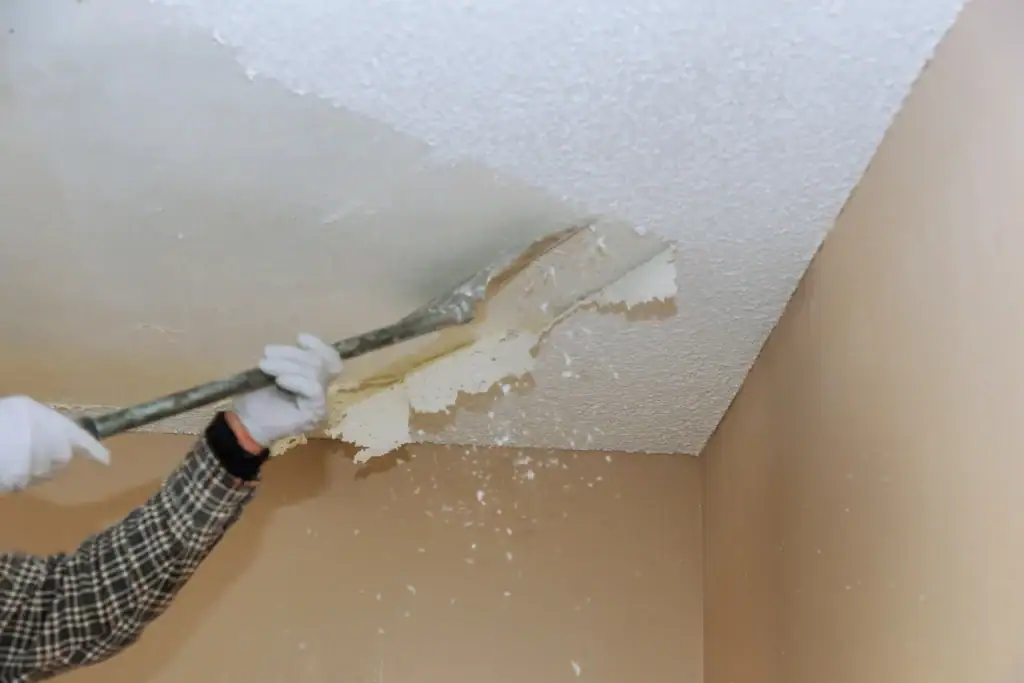
How to Choose a House Painter in Frederick, MD
December 24, 2023
Boost Curb Appeal: Color Ideas for Your Home’s Front Door
March 7, 2024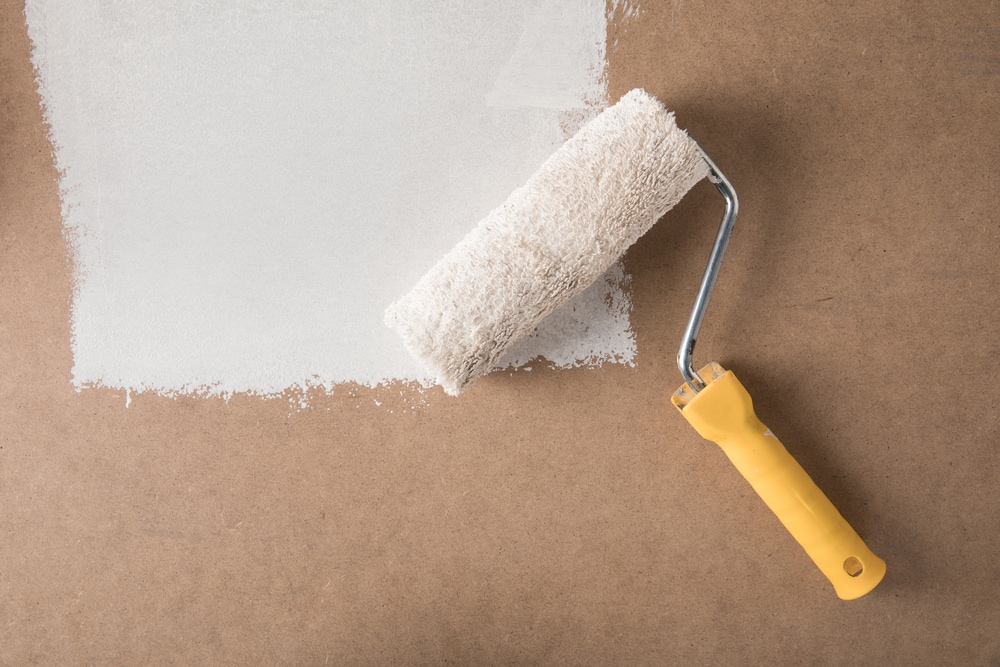
Let’s cut to the chase. Professional painters know their rollers like chefs know their knives—each type serves a unique purpose and choosing the right one can make or break the finish. Dive in, and you’ll uncover which roller materials pros swear by for that perfect paint job.
You’re about to get why nap length isn’t just fluff talk—it’s crucial for nailing texture on different surfaces. We’ve got insights into pro-grade handles and frames too; they’re all about comfort during those long hours of painting.
Sure, size matters when it comes to rollers, but so does reach—we’ll show how extensions play a key role. And if you think cleaning up is a drag, our maintenance tips might just change your mind.
Table of Contents:
- The Importance of Roller Quality in Professional Painting
- Types of Rollers Used by Professional Painters
- Roller Naps and Their Impact on Paint Application
- Roller Frames and Handles Preferred by Pros
- Selecting the Right Roller Size for the Job
- The Role of Roller Extensions in Professional Painting
- Specialty Rollers for Unique Textures and Effects
- Care and Maintenance of Professional Painting Rollers
- FAQs in Relation to What Rollers Do Professional Painters Use
The Importance of Roller Quality in Professional Painting
Think about the last time you walked into a room and were blown away by the smoothness of the walls. That flawless finish didn’t happen by chance—it’s all thanks to high-quality rollers that professional painters swear by. Just like a chef picks their knives or a guitarist chooses their strings, pros know that using top-notch rollers is key for nailing that perfect coat.
It’s not just a matter of aesthetics. High-caliber rollers mean paint goes on smoother, sticks better, and lasts longer—saving you from those pesky touch-ups down the line. They’re kind of like your reliable buddy who always shows up on a moving day; they make sure everything goes smoothly without leaving any mess behind.
A premium roller absorbs just enough paint—not too much or too little—to give walls an even cover without making them look like a toddler’s art project. Plus, they can take quite the beating over multiple jobs before calling it quits. So yeah, quality matters big time when it comes to getting results that both dazzle eyes and stand up to Father Time.
Types of Rollers Used by Professional Painters
Dive into any pro painter’s toolkit and you’ll find more than one type of roller because different gigs call for different tools just as recipes require various ingredients. There are foam rollers that lay down oil-based paints with finesse while others made with synthetic fibers handle latex paints best.
Natural fiber rollers? Those are great when you want to play nice with rough surfaces—they’re practically built for battle against brick or stucco exteriors. It’s pretty simple: match your surface and paint type with the right roller material, and watch the magic happen…or should I say painting perfection?
Roller Naps and Their Impact on Paint Application
When you’re dealing with rough walls, those long-nap rollers are lifesavers. They reach into every little crevice to make sure not a single spot is missed. So, if your wall’s texture reminds you of sandpaper, grab a long-nap roller and get ready for some serious coverage.
Key Takeaway:
Just like chefs have their favorite knives, pro painters rely on top-quality rollers for that flawless wall finish. They’re essential not only for looks but also for smooth application and durability—your no-mess buddy in painting perfection. Different paint jobs need different rollers, from foam ones ideal for oil-based paints to natural fibers perfect for rough surfaces. Match the roller with your job and watch your walls transform. For textured walls, long-nap rollers are key—they dive into every crevice ensuring even coverage and a smooth look despite the rough surface.
Types of Rollers Used by Professional Painters
Choosing the right paint roller can mean the difference between a so-so room and one that makes you say, “Wow.” It’s not just about slapping on some color. A pro painter knows it’s all in the tools.
Natural Fiber Rollers for Oil-Based Paints
You wouldn’t wear socks to swim, right? Similarly, professional painters don’t use synthetic rollers with oil-based paints. They stick to natural fiber rollers like mohair or sheepskin. These bad boys cling to those heavier oils and lay down a smooth finish that could make glass jealous.
But remember, they’re high maintenance—natural fibers must be pampered post-use to keep their shape for the next masterpiece.
Synthetic Fiber Rollers for Water-Based Paints
If water-based paints are your jam, then synthetics like nylon or polyester are your bandmates. Synthetic rollers won’t soak up too much paint—which is great because who wants drips raining on their parade?
The best part? They clean up faster than you can say “fresh coat,” making them perfect partners in paint for busy pros knocking out room after room.
Foam Rollers: The Smooth Operators
We’ve got foam rollers taking center stage when ultra-smooth surfaces call for an encore performance. Ideal for glossy finishes on cabinets or doors where brush strokes would stick out like a sore thumb at an art gallery opening.
No texture here; these guys bring sleekness without any fuzzy business getting in the way of that shiny new look you’re going for.
Remember how important it is to match your roller type with both your paint choice and desired finish—just as crucial as picking out what shoes go with your outfit. So whether it’s rolling through satin sheens with synthetic fibers or glossing over details with foam finesse, knowing which roller rocks will help nail those painting projects every time.
Now grab that tray—it’s time to get rolling.
Key Takeaway:
Pro painters match the roller to the paint type: natural fibers for oil-based paints, synthetics for water-based ones, and foam rollers when you need a super smooth finish. Mohair or sheepskin with oil paints give that glass-smooth look but take extra care. Nylon or polyester makes quick work of water-based jobs without drips. And foam? Perfect for glossy finishes where not a single brush stroke is allowed to crash the party.
Roller Naps and Their Impact on Paint Application
Picking the right roller nap is like choosing the perfect pair of shoes for a marathon; it can make or break your painting project. If you’ve ever seen a wall with an uneven paint job, chances are, the wrong roller nap was to blame.
A short-nap roller works wonders on smooth surfaces—it doesn’t leave lint behind and gives you that clean, sleek finish we all love. But throw it onto a rough surface? You might as well be trying to butter toast with a spatula—ineffective and downright frustrating. For textured walls or exterior jobs where stucco reigns supreme, you need those long naps. They’re like off-road tires for your paint roller; they grab more paint and get into every nook and cranny without begging for mercy.
The magic happens in the fibers. Synthetic materials such as nylon or polyester hold up better when faced with water-based latex paints—a match made in heaven for most indoor walls according to home renovation experts. Natural fiber rollers soak up oil-based paints like they were born to do just that but beware—they can leave behind more texture than some folks care for.
Nap length isn’t just about getting cozy; it’s science at work. Short naps (1/4 inch) keep things smooth while longer ones (3/4 inch or even 1 inch) turn your bumpy ride into a smooth sailing adventure across any surface imaginable.
So next time you’re gearing up for that big painting day remember: grabbing any old roller won’t cut it—you’ve got choices.
Roller Frames and Handles Preferred by Pros
Ever wonder why that professional paint job looks so smooth? It’s not just the painter’s steady hand, but also their choice of roller frames and handles. The right tools can mean the difference between a bumpy ride and cruising down a freshly paved road when it comes to painting.
Durability Meets Design
Pros don’t play games with flimsy equipment. They reach for roller frames built to endure long hours of work without bending or breaking. Heavy-duty stainless steel is often the go-to for its strength and resistance to rust. But let’s be real—comfort is king, especially during those marathon painting sessions.
A good grip reduces fatigue, which is why ergonomically designed handles are top picks among professionals in Frederick Painting circles. A rubberized handle absorbs pressure better than a Sunday afternoon quarterback on his couch after Thanksgiving dinner.
The Balancing Act
Balanced rollers make sure every dip into the tray leads to an even coat on your walls; think of it like having all four tires aligned—it makes for one smooth drive across any surface. And who wouldn’t want that?
To achieve this balance, pros opt for frames with adjustable features allowing them to control tension—a tight roll here, a loose spin there—tailored perfection.
Ease of Use That Goes the Distance
Pull out an extension pole, and suddenly you’re painting ceilings without needing stilts or developing neck muscles like an Olympic swimmer.
Finding roller frames compatible with various poles isn’t rocket science but finding ones that lock securely while dancing around light fixtures? That takes some savvy shopping—and pro painters have got this down pat.
Remember: Good rollers aren’t just about putting color on walls—they’re about making sure it stays there beautifully until you decide otherwise.
Key Takeaway:
Pro painters swear by sturdy, ergonomic roller frames and handle for a flawless finish. They’re all about durability, comfort, and balance that can handle the long haul—and make painting ceilings a breeze without any circus tricks.
Selecting the Right Roller Size for the Job
You’re standing in front of a vast, empty wall, your paint can ready to go. The roller you choose is like your sword in battle; pick too small and you’ll be swiping at that wall forever. Go too big and whoops—you’ve just painted over Aunt Edna’s antique sideboard.
So how do pros nail down the perfect size? It all boils down to scale and precision. For those wide-open spaces—think living room walls or an unbroken stretch of fencing—a 9-inch roller might just become your best friend. It covers ground fast without needing constant dips back into the paint tray.
This Old House breaks it down nicely when they explain that rollers come in various widths but generally range from about four inches up to eighteen inches. If we get specific, doors and cabinets call for a more delicate touch with a smaller width—say around 4 to 6 inches—to avoid leaving evidence of your painting escapades on hardware or adjacent walls.
Moving onto texture now because yes, it matters. Got some gnarly surfaces like brick or stucco? A thicker nap will hug those nooks and crannies so each crevice gets its fair share of color.
Roller Frames and Handles Preferred by Pros
We don’t skimp on frames either—they’ve got to stand up to pressure without bending like overcooked spaghetti. Sturdy metal frames are our MVPs here as they endure countless reloads without twisting out of shape.
The handle’s another story—it’s gotta feel right since you’ll be arm-in-arm with it all day long. Ergonomic designs help keep carpal tunnel at bay while extendable handles mean not having play Tarzan swinging from ladders for those hard-to-reach spots overhead.
The Role of Roller Extensions in Professional Painting
Talking extensions—we’re reaching new heights quite literally. Slap an extension pole onto that trusty roller frame and voilà: ceilings bow before you sans stilts or scaffolding—and let me tell ya, efficiency shoots through the roof (pun intended).
Key Takeaway:
Choosing the right roller is key: use a 9-inch for big walls and a smaller one for precision work on doors and cabinets. Go for sturdy metal frames with comfy handles to avoid strain, and don’t forget an extension pole to easily tackle those high places.
The Role of Roller Extensions in Professional Painting
you’re painting a room with sky-high ceilings, and suddenly your roller comes up short—literally. That’s where the magic wand of professional painting comes into play—the roller extension. These bad boys let painters reach those towering heights without breaking out the stilts or scaffolding.
Roller extensions aren’t just about getting to those hard-to-reach places; they’re also key for saving time and avoiding a trip to the chiropractor. By extending your reach, they reduce the need for constant bending and stretching. And when it comes to efficiency? Well, extensions are like cruise control for painters—they help keep that smooth roll going across walls and ceilings without interruption.
Not all extensions offer the same benefits. Pros will tell you that choosing an extension is as much about comfort as it is about length. They opt for lightweight yet sturdy materials because nobody wants their paint job turning into an unexpected workout session (unless you’re trying to multitask). Comfort grip handles? Check. Adjustable lengths? Double check.
High-quality frames make sure there’s no wobbling while reaching new heights—because precision matters even more when you’re working at NASA levels of altitude.
To wrap it up (without wrapping yourself around a ladder), think of roller extensions as a painter’s best friend—they’ve got your back…and your arms…and well, pretty much everything else that keeps you from having to scale walls like Spider-Man on every job.
Specialty Rollers for Unique Textures and Effects
Ever watched paint dry and thought, “Well, that’s just a flat surface”? Professional painters in Frederick know there’s more to the story. They use specialty rollers not just to slap color on walls but to create visual feasts with textures that pop out at you.
Different Strokes for Different Folks
Stippling is an art form—literally—and it starts with picking the right tool. A stipple roller gives walls personality; think of orange peel texture without having to eat fruit first. But how do these wizards decide which magical wand to wield? It boils down to what end look they’re going after. For those who crave a bit of old-world charm or want their living room wall to mimic parchment paper, they’ll grab a textured roller designed specifically for stucco effects.
Roughing It Up With Nap Rollers
The length of the nap can turn a plain Jane wall into something worth bragging about at your next dinner party. Long-nap rollers are like using curling irons on hair: They add volume—or in this case, depth—to otherwise bland surfaces by holding more paint and creating rich textures as they roll over them.
Tiny Tools for Tight Spots
Sometimes big isn’t better; it’s all about getting into those nooks and crannies without cursing the day you decided against wallpaper. Miniature specialty rollers let pros tackle trim work or cabinet doors while maintaining their sanity—and precision.
Pull off impressive feats with specialty painting tools from Frederick Painting & Supply Inc., where pro painters get gear that makes clients say “Wow.” rather than “Oh.” And remember: What looks effortless takes practice plus quality equipment…and maybe some secret painter handshakes we don’t know about.
Key Takeaway:
Frederick’s Painting don’t just paint; they use specialty rollers to create textures that turn walls into visual treats. Stipple rollers for personality, long-nap ones for depth, and mini versions for precision work in tight spots—all tools of the trade to wow clients.
Care and Maintenance of Professional Painting Rollers
Imagine your rollers as the trusty steeds in your painting cavalry; without proper care, they’re bound to underperform. Just like a seasoned chef sharpens knives, pros keep their rollers in top shape. Maintain your rollers like a pro with the following tips.
Cleaning Your Rollers Like a Pro
First off, don’t let paint dry on your roller—this is rookie territory. For water-based paints, rinse the roller under running water and use your hands or a cleaning tool to squeeze out excess paint. If oil-based products were used, soak it first in solvent recommended by the manufacturer then follow up with soap and warm water. Afterwards, roll them on an old towel to remove lingering moisture.
Diligence pays off here because properly cleaned rollers won’t leave stray fibers or lumps of dried paint behind on your next masterpiece—a definite no-go for that smooth finish we all crave.
Acing Roller Storage
Say goodbye to crusty rollers by storing them right. Once they’re clean and dry wrap them snugly in plastic wrap or heavy-duty bags sealed tight against air invasion. Some painters swear by hanging their wrapped-up warriors which helps retain shape and battle-readiness for round two—or twenty-two—in Frederick’s diverse weather conditions.
Maintenance Checks: Keeping Performance Peak
Last but not least let’s talk about keeping those bristles primed for action. Regular checks will save you from mid-job meltdowns (we’ve all been there). Ensure end caps are secure so nothing wobbles when rolling—that even coverage depends on stability after all. And while frayed edges might look ruggedly charming remember they’re more likely to streak than charm walls into looking polished.
FAQs in Relation to What Rollers Do Professional Painters Use
What type of paint roller gives the smoothest finish on walls?
A microfiber or foam roller works best for a super smooth finish, especially with high-gloss or semi-gloss paints.
What size paint roller do professionals use?
Professionals often reach for 9-inch rollers due to their versatility and efficiency on typical wall spaces.
What brand of paint roller is the best?
Purdy and Wooster are top-notch brands that pros trust for durable, quality rollers that deliver stellar results.
What is the best roller material for interior walls?
Synthetic fibers like nylon or polyester blend tackle most interior jobs well; they’re reliable and leave a fine finish.
So, you’ve explored what rollers do professional painters use and why it’s a game-changer. You should now understand that the right roller leaves a lasting impression—literally on walls and figuratively in work quality.
You’ve seen how nap length sets the stage for texture perfection. Remember, short naps for smooth surfaces; and long ones for rougher terrain.
We dived into frames and handles too. Comfort is king when painting for hours on end. Keep an eye out for ergonomic designs next time you gear up.
Size does matter—for precision and efficiency both—and extensions? They’re lifesavers when high places call your name.
Care tips came last but aren’t least; they keep your tools top-notch longer. Think clean, dry, repeat—it’s that simple to maintain those rollers like pros do.

Shawn Zimmerman started painting in the summer of 1991, the year before he graduated high school. Shawn decided to pursue his career in the family business and continued to develop his skills in the trade while also developing the necessary skills to manage the business. Shawn enjoys being outdoors, canoeing, camping, hiking, hunting, fishing and spending time with family.