
Old Paint Disposal: Your Guide to Paint Expiration and When to Discard
October 1, 2024
Should You Paint Behind Refrigerators and Light Switches?
October 22, 2024
When it comes to home design, the walls, flooring, and furniture often take center stage. However, an often overlooked element that can significantly impact the look and feel of a room is the ceiling. Referred to as the ‘fifth wall,’ the ceiling plays a crucial role in the overall design, either harmonizing or contrasting with the room’s color scheme. This leads to the common homeowner dilemma, ‘Should I paint my ceilings the same color as the walls?’
While traditional wisdom leans toward white ceilings, recent trends suggest more creative approaches, including painting the ceiling the same color as the walls to create a cohesive, modern, and sometimes dramatic look. In this blog, we’ll explore the pros and cons of matching ceiling and wall colors, the effects this choice can have on a room, and tips for making the right decision based on your space and style preferences.
Choosing the right paint color for your home is a significant decision, and it’s easy to get caught up in deciding the perfect hue for the walls. However, the color of your ceiling is just as crucial. In the past, white ceilings were the go-to option because they reflect light and make a room feel bigger. But today, there’s a shift in design trends, with designers and homeowners increasingly experimenting with painting ceilings the same color as the walls for a more unified and contemporary aesthetic.
Matching the ceiling and wall colors can significantly alter the ambiance of a room, making it appear larger, cozier, or more sophisticated, depending on the shade you choose. Whether you’re aiming for a seamless transition or want to make a bold design statement, understanding the impact of painting your ceiling the same color as your walls will help you make an informed decision for your space.
1. The Benefits of Painting the Ceiling the Same Color as the Walls
Painting your ceiling the same color as the walls can create various effects that enhance a room’s overall look and feel. Here are some key benefits:
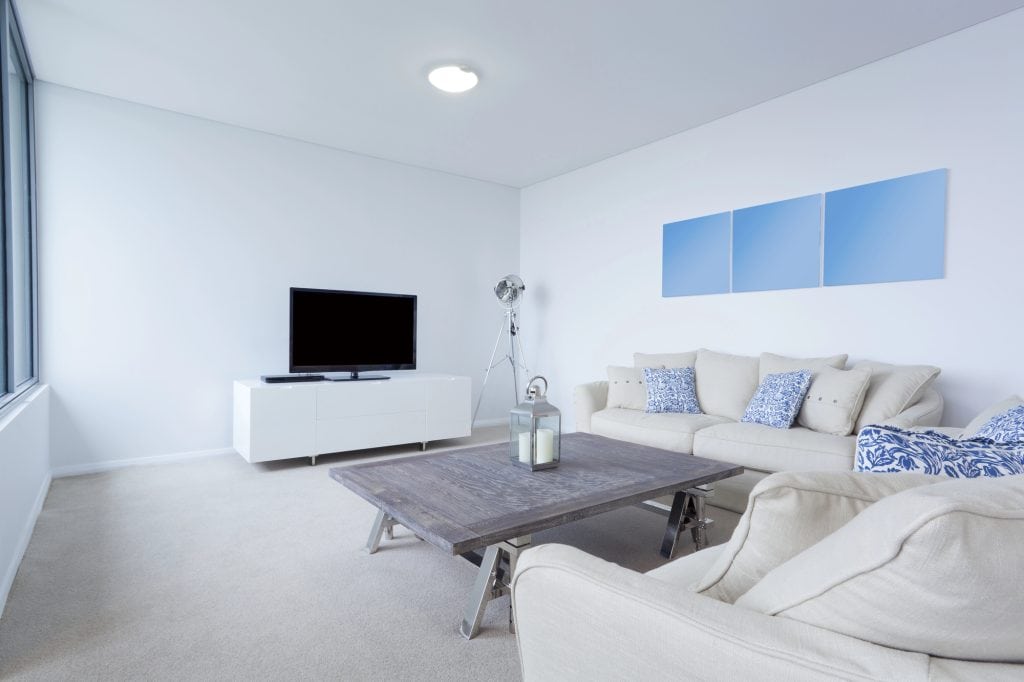
- Creates a Seamless Look: One of the most significant advantages of matching your ceiling and wall colors is the seamless, cohesive look it creates. When the ceiling and walls are the same color, it eliminates visual boundaries, giving the room a more continuous and unified feel. This can be especially effective in smaller spaces, where breaking up different-colored surfaces can make the room feel disjointed.
- Visually Expands the Room: Contrary to the belief that white ceilings make a room feel bigger, painting the ceiling and walls the same color can give the illusion of more space. Without the stark contrast of a white ceiling, the room’s boundaries seem to disappear, creating a more expansive and open environment.
- Adds Depth and Dimension: If you choose a more profound or darker color for your walls and ceiling, you can create a sense of depth that adds character to the room. This approach works well in rooms with higher ceilings, where darker colors can make the space feel more intimate and grounded.
- Minimizes Architectural Distractions: Rooms with awkward angles, beams, or sloped ceilings can benefit from being painted in a single color. By painting the walls and ceiling the same shade, you can downplay these architectural features, making the space feel more cohesive and less cluttered by unusual shapes.
- Modernizes the Space: Painting the ceiling and walls the same color is a modern design trend that can give your space a fresh, updated look. It’s a technique commonly used in contemporary interiors to create a minimalist, streamlined aesthetic that feels sleek and sophisticated. Following this trend can make your home feel trendy and up-to-date.
This design choice works exceptionally well in certain rooms, such as bathrooms, bedrooms, and small living areas, where the goal is to create a more intimate and unified space.
2. Consider the Room’s Size and Height
One of the most important factors to consider when deciding whether to paint your ceiling the same color as your walls is the size and height of the room. The effect this design choice has can vary greatly depending on these factors.
- In Smaller Rooms: For smaller rooms, like powder rooms, offices, or cozy bedrooms, painting the ceiling and walls the same color can create the illusion of a larger space; by eliminating the color contrast between the ceiling and walls, the room’s boundaries blur, making it feel more open and less confined. This can be particularly effective when using lighter, neutral tones reflecting light and visually expanding the space.
- In Larger Rooms: In larger rooms, such as living rooms, dining rooms, or open-plan spaces, painting the ceiling the same color as the walls can give the room a cozy, enveloping feel. It’s a way to make expansive spaces feel more intimate, especially if you choose a warm or rich color palette.
- In Rooms with High Ceilings: High ceilings provide an opportunity to experiment with bold colors. If your room has vaulted ceilings or lofted areas, painting both the walls and ceiling in the same shade can make the room feel less cavernous and more cohesive. In contrast, painting the ceiling white can sometimes make the room feel even taller, which might not always be desirable if you’re aiming for a cozier atmosphere.
- In Low-Ceilinged Rooms: For rooms with low ceilings, painting both the ceiling and walls the same color, particularly in light shades, can make the ceiling seem higher. A uniform color palette draws the eye upward, creating a sense of continuity that tricks the brain into perceiving the space as more open than it actually is.
When considering this design choice, always take into account the height and size of your room, as well as the overall effect you want to achieve. Being thoughtful and considerate about these factors can help you make the right color choice that will either enhance or diminish the visual impact of the space.
3. The Role of Color in Affecting Room Ambiance
The color you choose for your walls and ceiling can drastically affect the ambiance of your room. Different colors evoke different moods, and the way they interact with the space can either make it feel light and airy or dark and moody. Here’s how different shades can influence the room when applied to both the walls and ceiling:
- Light Colors: Soft shades of white, pale gray, light beige, or pastels are excellent for making a room feel open and bright. Painting both the walls and ceiling in a light color will enhance natural light, making the space feel airy and fresh. This is an ideal choice for smaller spaces or rooms that don’t receive a lot of natural light, as light colors reflect light and create a sense of openness.
- Dark Colors: Darker shades, such as navy, charcoal, deep green, or burgundy, create a dramatic, cozy effect. When used on both the walls and ceiling, dark colors can make a room feel intimate and sophisticated. This works particularly well in rooms where you want to create a sense of depth and drama, such as bedrooms, dining rooms, or media rooms. However, it’s important to consider lighting when using dark colors—adequate artificial lighting, or natural light is crucial to prevent the room from feeling too closed in.
- Bold and Bright Colors: If you’re feeling adventurous, consider using bold colors like vibrant blues, greens, or even yellows. Painting the ceiling and walls in the same bold shade can create a striking visual effect, perfect for creative spaces, children’s rooms, or accent rooms where you want to make a strong design statement. Be cautious, though, as bold colors can quickly overwhelm a space if not balanced with the right decor and lighting.
- Neutral Tones: If you prefer a subtle look, neutral tones like taupe, soft gray, or off-white can provide a calm, timeless aesthetic. These shades are versatile and work well in almost any room, offering a soft backdrop that complements other design elements without overpowering them.
Ultimately, the color you choose will depend on the mood you want to create in the space. Whether light, dark, or bold, the right color can enhance the room’s overall ambiance and make it feel more aligned with your personal style.
4. When to Stick with a White Ceiling
While matching the ceiling and wall colors is a growing trend, there are still times when sticking with a classic white ceiling makes sense. White ceilings reflect the most light and are a safe choice for certain situations, such as:
- Rooms with Low Light: If your room has limited natural light or lacks sufficient artificial lighting, a white ceiling can help brighten the space by reflecting light. White also prevents the room from feeling too enclosed, especially when combined with dark wall colors.
- Traditional Design Aesthetics: If your home has a more traditional or classic style, a white ceiling can maintain that timeless look. It creates a clean and crisp contrast with colored walls and helps keep the focus on other design elements, such as moldings, furniture, or artwork.
- Rooms with Detailed Ceilings: If your ceiling has architectural details, such as crown molding, beams, or tray ceilings, leaving the ceiling white can highlight these features and add to the room’s visual interest. In this case, a contrasting white ceiling draws attention to the ceiling’s unique elements rather than blending them into the background.
Painting the ceiling white is always a reliable option, especially when you want to enhance light reflection, keep the room feeling open, or preserve a classic design approach.
Deciding whether to paint your ceilings the same color as your walls can have a significant impact on the overall look and feel of your space. Matching the ceiling and wall colors can create a seamless, cohesive appearance that makes rooms feel larger, more modern, and sophisticated. On the other hand, sticking with a traditional white ceiling can help brighten a room, especially if it has low light or detailed architecture that you want to highlight.
The key to making the right decision is understanding the unique characteristics of your space, such as room size, ceiling height, and natural lighting. Whether you opt for a monochromatic look or choose to keep the ceiling white, your final choice should enhance the room’s atmosphere and align with your personal style.
With thoughtful consideration and a clear vision, painting your ceiling—whether it’s the same color as the walls or a contrasting white—can elevate the overall design of your home, creating a space that feels harmonious, stylish, and inviting. Frederick Painting suggests considering the benefits of a seamless look, such as creating a unified and spacious feel, while also weighing potential drawbacks like reduced ceiling height perception. Ultimately, your choice should reflect your personal style and the specific dynamics of each room. Let your creativity guide you to achieve a harmonious and visually pleasing interior.
FAQs
Should ceilings be the same color as walls
Yes, painting the ceiling the same color as the walls can create a seamless, cohesive look that reduces visual breaks in the room.
This approach can also modernize the space and help a room feel more unified overall.
Does this make a room look bigger
It can, especially in smaller rooms, because removing contrast between surfaces can blur the room’s boundaries.
Using lighter tones on both the walls and ceiling may enhance this open, expanded feel by reflecting more light.
When is it better to keep ceilings white
A white ceiling can be a better choice in rooms with limited natural light because it helps reflect light and brighten the space.
It can also make sense in more traditional interiors or when the goal is to highlight ceiling details like beams, crown molding, or tray ceilings.
Are dark matching ceilings a good idea
Dark colors on both walls and ceiling can create a cozy, dramatic, and sophisticated atmosphere when the room has enough lighting.
This can work especially well in bedrooms, dining rooms, or media rooms where an intimate feel is the goal.
What rooms benefit most from matching colors
Bathrooms, bedrooms, and smaller living spaces often benefit because the single-color approach creates a more intimate and unified look.
Rooms with awkward angles, sloped ceilings, or other architectural distractions can also look cleaner when everything is painted the same shade.

Shawn Zimmerman started painting in the summer of 1991, the year before he graduated high school. Shawn decided to pursue his career in the family business and continued to develop his skills in the trade while also developing the necessary skills to manage the business. Shawn enjoys being outdoors, canoeing, camping, hiking, hunting, fishing and spending time with family.