Interior Paint Sheen Guide: Flat, Eggshell, Satin, or Semi-Gloss
August 11, 2026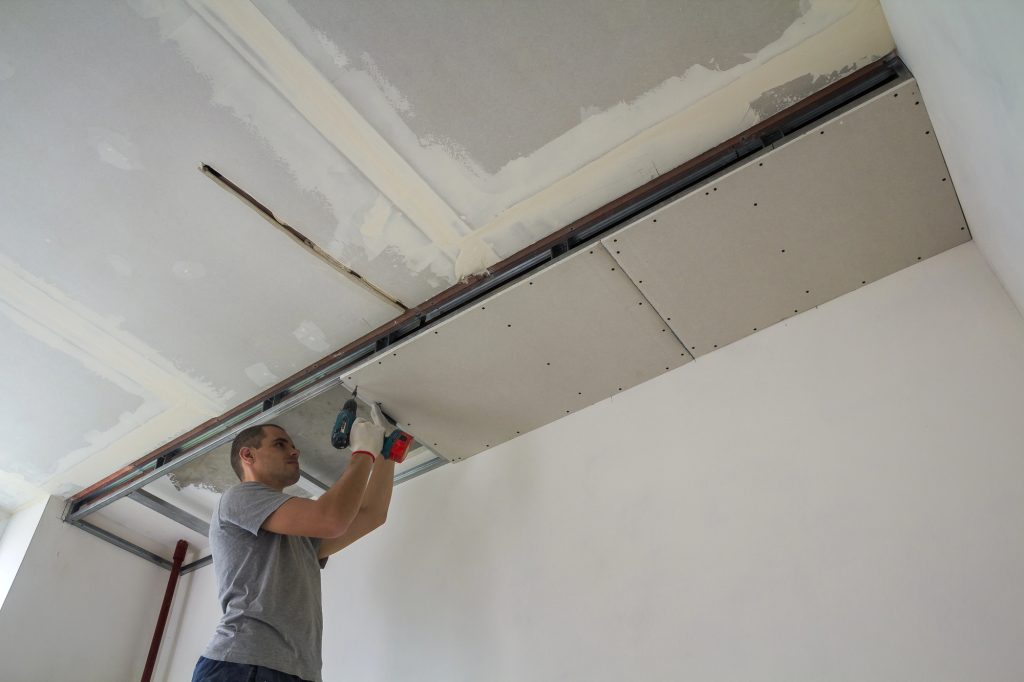
Those little round bumps along your wall, the hairline crack creeping from a doorway corner, the ding where a chair hit the hallway—small drywall flaws are easy to ignore until you go to paint and realize they’ll show right through. The good news is most are straightforward to fix. This guide explains what causes nail pops, cracks, and dents, how to repair each one, and when it’s smarter to bring in a pro before painting.
What Causes Nail Pops and Cracks?
Understanding the cause helps you fix the flaw so it stays fixed. Most drywall blemishes in Frederick homes come from normal building movement:
- Nail pops happen when a fastener works loose as lumber expands, contracts, and settles over the seasons, pushing the nail or screw head out against the drywall.
- Hairline cracks appear at stress points—above doors and windows, at wall-to-ceiling joints—as the house shifts with temperature and humidity swings.
- Dents and dings are simple impact damage from furniture, doorknobs, and daily life.
Our Maryland freeze-thaw winters and humid summers make seasonal movement especially common, so a few nail pops over time are normal, not a sign of trouble.
How to Fix Nail Pops
A nail pop is one of the most common—and most fixable—wall flaws. The key is to secure the area rather than just cover the bump.
- Drive a drywall screw about 1½ inches above or below the popped fastener to re-anchor the panel to the stud.
- Gently set the popped nail or screw slightly below the surface (don’t pull it—doing so can crumble the drywall).
- Cover both spots with two or three thin coats of joint compound, letting each dry.
- Sand smooth, then prime before painting.
Skipping the new screw is why so many DIY nail-pop fixes pop again within a year.
How to Repair Drywall Cracks and Dents
Different damage calls for different repairs. Here’s a quick reference.
| Damage Type | Typical Fix | Difficulty |
|---|---|---|
| Nail pop | Re-screw, set, compound, sand | Easy |
| Hairline crack | Mesh tape + compound, feathered wide | Easy–moderate |
| Dent/ding | Fill with compound, sand, prime | Easy |
| Recurring crack | Investigate movement; tape and repair | Moderate |
| Hole (larger than a fist) | Patch or drywall replacement | Moderate–hard |
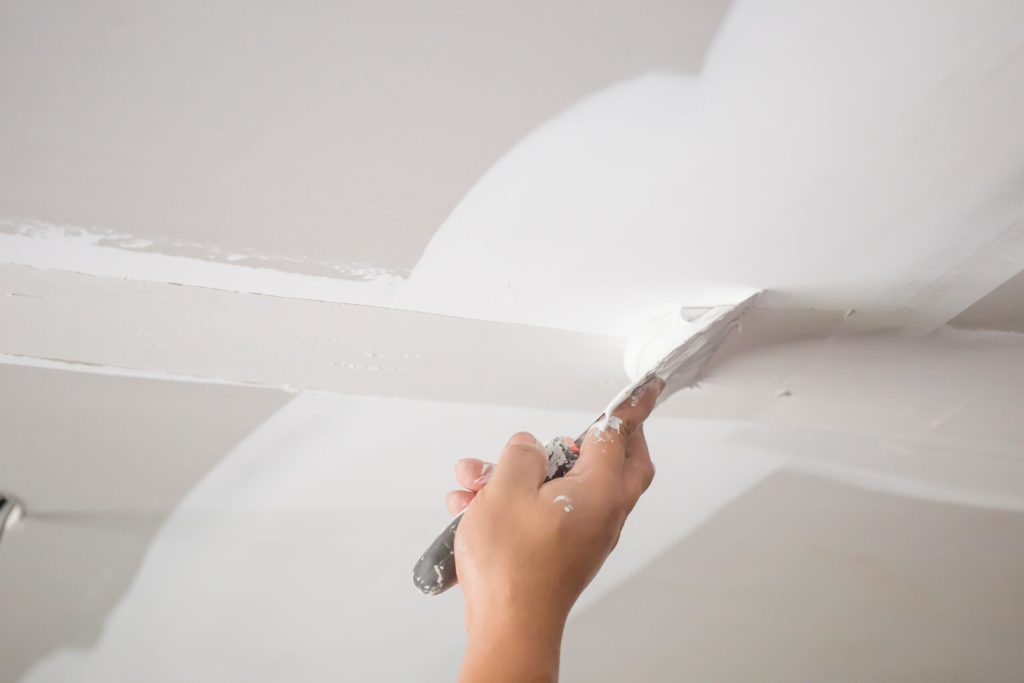
For cracks, the mistake is filling the crack with compound alone—it reopens as the house moves. Instead, cover it with self-adhesive mesh tape, then feather two or three coats of compound wide on either side. For dents, fill, sand flush, and prime. Proper drywall repair before painting is what makes these fixes disappear under the new coat.
When to Call a Professional
Plenty of small fixes are weekend-friendly, but some situations call for expertise:
- Recurring cracks in the same spot, which may signal ongoing structural movement.
- Long or wide cracks, or many at once.
- Water-stained or soft drywall, which usually needs replacement and a moisture fix first.
- Textured or high walls where blending a patch invisibly is tricky.
- A full repaint, where you want every wall flawless before the color goes on.
A pro not only patches the damage but blends it so the repair vanishes—see how professionals handle patching versus replacing drywall ceiling damage for the judgment calls involved. For a homeowner how-to reference, Family Handyman covers basic patching techniques well.
Smooth Walls Start With the Right Repair
Nail pops, cracks, and dents are minor problems—until they telegraph through fresh paint. Fix nail pops by re-anchoring the panel, tape cracks so they don’t reopen, and fill dents flush, then prime. Handle the small stuff yourself, and call a pro for recurring, water-damaged, or repaint-ready work so your walls look flawless.
Want it done right before your next paint job? Explore our drywall repair services in Frederick, and if you’re nearby, we also serve homeowners in Walkersville.
Frederick Painting & Supply, Inc. proudly serves Frederick, MD and the surrounding communities of Urbana, Walkersville, Middletown, Braddock Heights, Ballenger Creek, and Spring Ridge. Call 301-473-4773 or visit our contact page to request a free, no-pressure estimate.
Frequently Asked Questions
What causes nail pops in drywall?
Nail pops occur when a fastener works loose as the wood framing expands and contracts with seasonal temperature and humidity changes, pushing the nail or screw head out against the drywall. They’re common in most homes and usually cosmetic rather than a structural concern.
How do you fix a nail pop so it stays fixed?
Drive a new drywall screw about 1½ inches above or below the pop to re-anchor the panel to the stud, then set the old fastener slightly below the surface. Cover both with two or three thin coats of joint compound, sand smooth, and prime before painting.
Why do drywall cracks keep coming back?
Recurring cracks usually reopen because they were filled with compound alone, which can’t flex as the house moves. Reinforcing the crack with mesh tape before applying compound helps. If a crack keeps returning in the same spot, it may signal ongoing structural movement worth a professional look.
Do I need to repair drywall before painting?
Yes. Nail pops, cracks, and dents show right through fresh paint and even become more noticeable under certain sheens. Repairing and priming these flaws first is essential for a smooth, professional-looking finish, which is why drywall repair before painting is a standard prep step.
When should I hire a professional for drywall repair?
Call a professional for recurring or large cracks, water-damaged or soft drywall, textured or high walls that are hard to blend, or when you want every wall flawless before a full repaint. Pros patch and feather repairs so they disappear seamlessly under new paint.
Shawn Zimmerman started painting in the summer of 1991, the year before he graduated high school. Shawn decided to pursue his career in the family business and continued to develop his skills in the trade while also developing the necessary skills to manage the business. Shawn enjoys being outdoors, canoeing, camping, hiking, hunting, fishing and spending time with family.