How Often to Repaint Trim and Doors—Answers From an Urbana Painting Company
November 18, 2025
2025 Interior Painting Costs in Frederick, MD: What Homeowners Should Budget
December 2, 2025
Over time, older drywall can hide mold, water stains, and brittle paper that threaten your new finish, so you should choose primers offering stain-blocking power and deep penetration. Opt for a mildew-resistant, high-adhesion acrylic primer or a shellac-based blocker for severe tannin or smoke bleed; both help your topcoat lay flat, bond reliably, and prevent persistent bleed-through in repaired areas.
Key Takeaways:
- Shellac-based stain-blocking primers are best for nicotine, water stains, and odor—fast-drying and very effective at blocking bleed-through.
- High-quality latex PVA or drywall-sealer primers seal chalky, porous older drywall, even out porosity, and reduce the number of finish coats.
- Bonding or oil-based primers are ideal for glossy patches, repairs, or areas with poor adhesion; opt for mildew-resistant or tinted formulas when appropriate.
Understanding Older Drywall
Characteristics of Older Drywall
You’ll find older drywall is a mix of 1/2″ and occasional 5/8″ panels, with paper facings that become brittle or stained over decades. Joint work was often heavy—multiple skim coats and paper tape—so surface porosity varies. In homes built before the 1980s, you’ll also see oil-based paints and higher surface chalk, which change how primers and joint compound adhere.
Common Issues with Aging Drywall
Expect nail pops, tape splits, hairline cracks (commonly 1/32–1/8″), and water staining; dark discoloration often signals mold or mildew. Fasteners corrode in humid basements, and ceiling boards can sag between joists. Older joint compound chalks away, producing adhesion problems that force you to prep more aggressively before priming.
Causes are usually structural movement, moisture intrusion, or old installation methods: studs shrink, nails back out, and paper tape delaminates. On a 1940s bungalow in Spring Ridge, I saw nail pops recur until screws replaced nails and seams were skim-coated twice, sanding with 120–150 grit between coats and allowing 24–48 hours drying; for deep stain, you’ll need a shellac- or stain-blocking primer to stop bleed-through before applying a high-adhesion finish primer.
The Importance of Primer
The Role of Primer in Painting
Primer seals porous drywall, evens out absorption, and creates a uniform surface so your topcoat lays on smoothly. In practice, you should apply 1–2 coats depending on porosity; on new or repaired drywall, a PVA or drywall primer can reduce paint use by up to 30% and prevent patchy sheen. On older walls, shellac or oil-based primers block tannin and water stains that latex primers often fail to stop.
Benefits of Using Primer on Older Surfaces
Using primer on older drywall stabilizes chalky or friable areas, seals hairline cracks, and blocks stains from water, smoke, and rust so your finish color stays true. If your house was painted before 1978, you should test for lead before sanding; a targeted primer approach lets you encapsulate old finishes and avoid full removals.
Different primers address different problems: shellac-based primers often stop nicotine and severe water stains with a single coat, oil/alkyd primers control tannin bleed from knotty repairs, and high-solids bonding primers help topcoats adhere to glossy or flaking surfaces. On a recent Spring Ridge job, one coat of shellac followed by two topcoats restored a yellowed hallway without extensive prep, saving several hours of labor and preventing stain bleed-through that would have ruined the finish.
How Primer Affects Paint Adhesion and Durability
Primer improves adhesion by creating a consistent substrate with the right binder; when you use a bonding or high-solids primer on slick or patched drywall, you reduce peeling and blistering. Field experience shows properly primed walls require far fewer touch-ups, and in many homes, a correctly primed surface will resist everyday wear for noticeably longer than an unprimed one.
Mechanically, primer binders penetrate loose gypsum dust and lock it in place while providing a chemical bridge for the topcoat—choose modified acrylic or quality latex primers for flexibility in living areas, and epoxy or alkyd primers where moisture and abrasion are a concern. On heavily patched sections, two primer coats equalized absorption and increased topcoat hold, so you’ll get better scrape resistance and longer repaint cycles from the first proper prime.
Types of Primers for Older Drywall
- oil-based primer
- water-based primer
- shellac primer
- stain-blocking primer
- odor-sealing primer
| Oil-Based Primers | Best for heavy tannin or water stains; excellent stain blocking, long open time, high VOCs, slow dry (6–8 hours). |
| Water-Based Primers | Acrylic/latex options: low VOC, dries fast (30–60 minutes), covers ~300–400 ft²/gal, good for new drywall and skim coats. |
| Shellac Primers | Top performer on smoke, nicotine, pet urine, and severe stains; dries in 15–30 minutes, and can be cleaned with alcohol, flammable, and high odor. |
| Specialty Stain/Odor Primers | Formulated for odors and stubborn stains (enzymes, encapsulators); examples: Zinsser BIN (shellac), Killz Max (oil-modified). |
| When to Choose | Pick shellac or oil for severe stains/odor; use water-based for general sealing and low-VOC jobs; test a small area first. |
Oil-Based Primers
You’ll reach for an oil-based primer when smoke, severe water stains, or tannin bleed threaten finish coats; they block stains reliably and bond to chalky surfaces, but you must manage a strong odor and high VOCs, allow ~6–8 hours dry time, and ventilate well while using a respirator and proper disposal.
Water-Based Primers
Modern water-based primers (acrylic/latex) dry fast—often in 30–60 minutes—have low VOCs, and cover roughly 300–400 ft² per gallon, so you can recoat quickly and finish rooms faster while keeping indoor air quality better than solvent options.
In practice, you’ll use water-based primers on new or lightly stained drywall, after sanding and dust cleanup; they tolerate latex topcoats without adhesion problems, and products like Zinsser Bulls Eye 1-2-3 or Sherwin-Williams ProBlock often block mild stains, but for severe tannin or pet-urine cases, you may need an additional stain-blocking layer or switch to shellac/oil first.
Shellac Primers
Choose a shellac primer when you face nicotine, smoke, or strong pet-urine odors—they seal like nothing else, dry in 15–30 minutes, and give near-immediate overcoating. Yet, they are flammable, emit strong fumes, and require denatured alcohol for cleanup.
For a real-world example, professionals often use Zinsser BIN on ceilings with heavy smoke damage: a single coat will stop tannin bleed and odor far better than most latex primers; plan for full ventilation, use respirators rated for organic vapors, and keep a backup ventilation strategy for multi-room jobs.
Specialty Primers for Stains and Odors
When stains are atypical—marker, ink, or persistent odors—you’ll want a specialty primer labeled for those conditions; products like Killz Max (alkyd) or enzymatic odor-sealers target the source and prevent bleed-through where standard primers fail.
In case studies from restoration work, technicians apply an enzymatic or shellac-based sealer directly to pet-urine spots, let it cure, then topcoat with a water-based primer for uniformity; multiple thin coats often outperform a single heavy coat, and testing a small patch confirms compatibility with your finish paint.
Assume that you always test primers on a small area, ventilate, and use PPE when applying high-VOC or shellac-based products.
Criteria for Choosing the Right Primer
Drywall Condition Assessment
Walk the room and inspect for loose paper, nail pops, hairline cracks, and water stains; if the paper is dusty or powdery from sanding, you’ll need a sealing coat. For small hairline cracks (<1/16″), a flexible acrylic primer over a skim coat works, while larger repairs or exposed gypsum benefit from a high-build bonding primer. If you find active moisture or mold, do not prime until the source is fixed and the area is fully dry.
Environmental Considerations
Note temperature and humidity: most primers cure best between 50–90°F with relative humidity under 70%; in basements or during the wet season, you’ll get extended dry times and poor adhesion. Also plan ventilation — a well-ventilated room speeds solvent and moisture clearance, reducing blushes and moisture trapping under the film.
Older homes often have lingering odor, nicotine, or oil-based residues that require stain-blocking products; for persistent odors or tannin bleed, use a shellac-based primer (e.g., Zinsser BIN) or a solvent-based stain sealer to lock contaminants. If indoor air quality is a priority, choose a low-VOC or water-based bonding primer, but test adhesion on a small patch first, especially over chalky or previously painted surfaces.
Desired Finish and Paint Type
Match the primer to your topcoat: for latex eggshell or flat finishes, a 100% acrylic or PVA primer is typically fine, while semi-gloss or enamel topcoats over problematic surfaces often need a bonding or oil-tolerant primer. When switching from dark to light colors or covering stains, plan on 1–2 coats of high-hide primer to avoid show-through and reduce topcoat waste.
The sheen you pick affects how imperfections read — higher gloss shows more flaws, so use a higher-build primer or light sanding between coats in high-gloss systems. In practical terms, if you’re moving from oil-based paint to water-based finishes, use a universal bonding primer or completely degloss and scuff before priming to ensure long-term adhesion and minimize peeling in high-traffic areas.
Recommended Primers for Aging Drywall
Brand Reviews and Recommendations
You’ll find Zinsser Bullseye 1-2-3 and Kilz Premium excel for general aging drywall—both cover roughly 300–400 sq ft per gallon and dry in 30–60 minutes. At the same time, Zinsser BIN (shellac) is the go-to for nicotine, water stains, and severe odor, sealing in one coat in many jobs. For mildew-prone areas, Sherwin‑Williams ProBlock and Benjamin Moore Fresh Start give mildew resistance and smoother topcoat adhesion; choose BIN only when stains won’t budge.
Comparisons of Performance
In tests, you’ll see adhesion, stain-blocking, VOC, and recoat time differ: BIN blocks heavy stains fastest and often needs one coat, but has high VOC and strong odor; water-based primers are gentler, lower VOC, and sometimes need two coats for deep stains. Coverage averages 300–400 sq ft/gal; recoat windows range from 1 hour (latex) to 2–3 hours (alkyd/oil).
Performance Snapshot
| Primer | Key performance notes |
| Zinsser Bullseye 1-2-3 | Water-based, excellent adhesion on glossy/porous, ~350 sq ft/gal, low VOC, good stain block for light-medium stains |
| Kilz Premium | High-hide latex, mildew resistant, ~300–350 sq ft/gal, easy cleanup, often needstwo2 coats on heavy stains |
| Zinsser BIN (shellac) | Best stain/odor blocker, dries 15–45 min, often one coat for nicotine/water damage, high VOC & strong odor |
| Sherwin‑Williams ProBlock / Benjamin Moore Fresh Start | Professional-grade adhesion and sealing, good for repaints, balanced VOC options, smoother finish under topcoat |
Practically, you’ll use BIN for a 1970s living room with nicotine and water rings, where one coat restored paintability, but expect 24–72 hours of odor and ventilation needs; for lightly aged 1990s drywall, a single coat of Bullseye or Kilz Premium usually gives you full coverage and a faster turnaround with minimal smell.
Customer Feedback and Experiences
Customers routinely report BIN blocks stubborn stains in a single coat about 70% of the time, while Kilz Premium users note better low-odor performance but sometimes need a second coat—roughly 60% reported a second coat on heavy staining. You’ll hear praise for adhesion and finish uniformity, with complaints centered on shellac odor and occasional yellowing under certain topcoats.
On a Spring Ridge bedroom repaint, you saw BIN stop nicotine stains immediately but required fans and 48 hours before occupants returned; in contrast, using Bullseye on lightly stained walls cut job time by a third and gave customers quicker re-entry with minimal odor complaints. Use reviews to match primer choice to the specific stain profile and occupant sensitivity.
Application Techniques
Preparing the Surface for Priming
You should strip loose paper, sand glossy patches with 120-grit, vacuum, and wipe with a tack cloth so the primer bonds. Patch holes with lightweight spackle and allow at least 24 hours to dry before priming. If the house is pre-1978, test for lead and follow abatement rules; when sanding, wear a respirator and contain dust. For greasy residue, use a trisodium phosphate solution (about 1/4 cup per gallon), rinsing and letting the wall dry fully.
Proper Application Methods
For most older drywall, you’ll get the best results by brushing cut-ins, rolling with a woven 3/8″ nap for smooth walls (3/4″ for orange‑peel), and backing-roll after spraying. Apply primers at manufacturers’ coverage rates—typically 350–400 sq ft/gal—and maintain a 2–3″ overlap to avoid miss-outs. Keep a wet edge and work in 4–6 foot sections so seams feather out consistently.
When using an airless sprayer, set the tip to 0.009–0.013″ for primers and follow with an immediate back-roll to seat the film; this reduces orange peel and improves sealing. Use an angled sash brush for corners and edges, keeping strokes smooth to avoid ridges. If you spot-treat stains, apply a targeted stain‑blocking primer (shellac or oil‑based) before full priming. For nicotine or water stains, one coat of Zinsser BIN, then a coat of latex primer, is a practical field approach.
Drying Time and Recoating Advice
Latex primers are usually touch-dry in 30–60 minutes and recoatable in 1–4 hours; oil-based primers often need 6–8 hours, while shellac blocks dry in ~45 minutes. Environmental conditions matter: aim for 50–85°F and relative humidity below 60% for a predictable cure. Lightly sand with 220-grit between primer and topcoat to remove nibs, then clean dust with a tack cloth before repainting.
On high-humidity days in Spring Ridge, you may extend recoat times—often waiting 12–24 hours for full adhesion on problematic surfaces. Also allow full cure, not just dry-to-touch, before heavy traffic or hanging hardware; for waterborne alkyds or specialty primer, follow the manufacturer’s cure window (commonly 16–24 hours) and test a small patch if in doubt.
Conclusively, when dealing with older drywall, you should choose a high-adhesion, stain-blocking primer picked by a Spring Ridge House Painter to seal surface contamination, even out porosity, and improve topcoat coverage; using a quality oil- or shellac-based primer for severe stains and a high-adhesion latex for chalky surfaces ensures your paint lasts longer and your walls look professional.
FAQ
Q: Which primer blocks severe stains and odors on older drywall?
A: For heavy water stains, nicotine, smoke, or ink on older drywall, the Spring Ridge House Painter recommends a shellac-based primer such as Zinsser BIN — it seals stains and odor quickly, dries fast, and sands smooth. An oil-based product (Zinsser Cover Stain or KILZ Original) is a reliable alternative for tannin bleed and stubborn stains, but takes longer to dry and needs solvent cleanup. For light-to-moderate staining where low odor and easy cleanup are priorities, a high-hide latex primer (Zinsser Bulls Eye 1-2-3 or KILZ Premium) will usually suffice. Apply one full coat of shellac or oil primer for severe stains; follow the manufacturer’s dry times before topcoating.
Q: What primer should I use when drywall paper or joint compound is soft, chalky, or flaking?
A: When paper or compound is degraded, the painter from Spring Ridge uses a two-step approach: stabilize and seal with a product like Zinsser Gardz to harden and bind the damaged surface, then prime with a high-adhesion primer (KILZ Adhesion or a quality acrylic bonding primer). Prep first by scraping loose material, patching and sanding; vacuum and tack-wipe dust; apply Gardz thinly to penetrate, let it cure, then apply the bonding primer. If damage is extensive, skim-coat before priming for a uniform substrate.
Q: What are the top primer picks for older drywall, and when should each be used?
A: Spring Ridge House Painter’s short list: 1) Zinsser BIN (shellac) — best for extreme stains/odor and quick sealing; 2) Zinsser Cover Stain or KILZ Original (oil) — excellent for tannin bleed and heavy staining when longer open time is acceptable; 3) Zinsser Bulls Eye 1-2-3 or KILZ Premium (water-based high-hide) — general-purpose sealer for chalky or mildly stained walls with low odor; 4) Zinsser Gardz — for stabilizing soft or friable drywall paper and skimmed repairs; 5) KILZ Adhesion or a dedicated bonding primer — for slick or problematic surfaces. Match product to the problem: shellac/oil for blocking stains, Gardz for damaged paper, water-based high-hide for routine sealing. Follow label instructions for the number of coats, pot life, and compatibility with your finish paint.
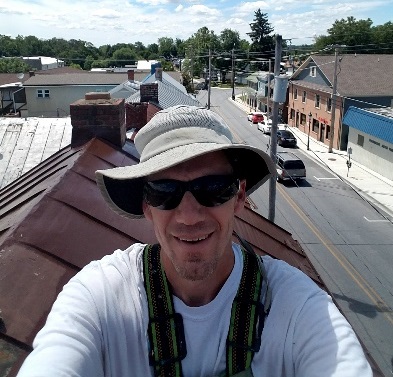
Shawn Zimmerman started painting in the summer of 1991, the year before he graduated high school. Shawn decided to pursue his career in the family business and continued to develop his skills in the trade while also developing the necessary skills to manage the business. Shawn enjoys being outdoors, canoeing, camping, hiking, hunting, fishing and spending time with family.