What Frederick, MD Homeowners Should Know Before Removing a Popcorn Ceiling
June 23, 2026
Best Cabinet Paint Colors for Frederick, MD Kitchens in 2026
July 7, 2026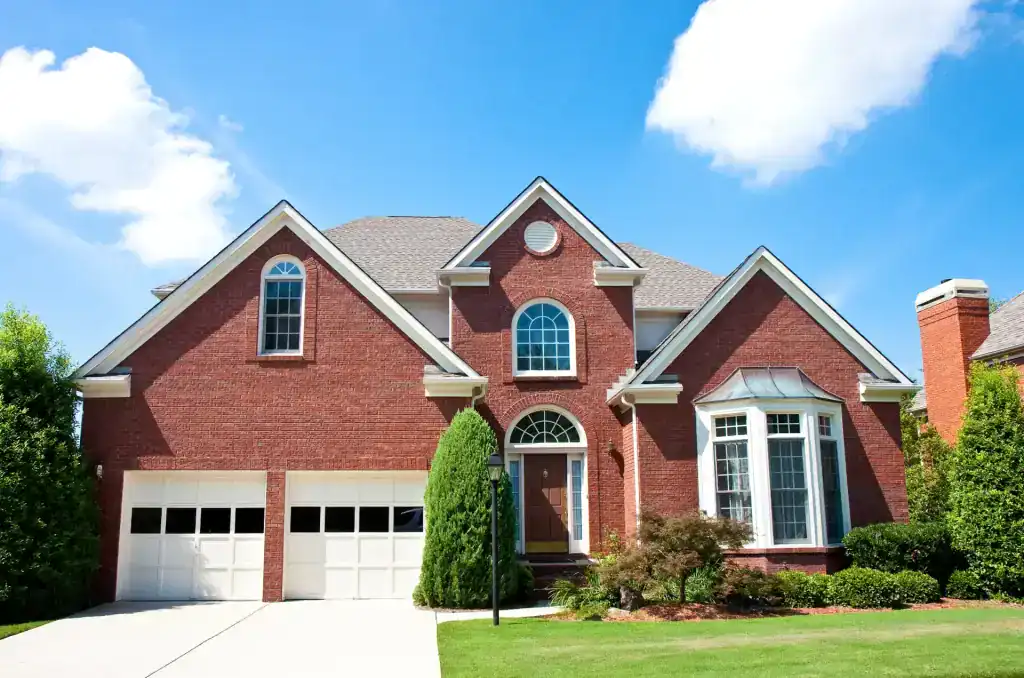
Brick has a timeless look, but that does not mean every brick home feels current.
Some brick exteriors look faded. Some have color tones that no longer match the homeowner’s style. Others may feel dark, dated, or hard to pair with updated trim, shutters, doors, and landscaping.
That is why many homeowners ask the same question: Can you paint brick?
The answer is yes, but brick painting has to be handled the right way.
Painting brick in the house Frederick projects requires more than choosing a color and applying exterior paint. Brick is porous. It absorbs moisture. It expands and contracts with changes in weather. It also needs the right cleaning, repair, primer, and paint system to help the finish hold up over time.
When done correctly, painted brick can give a home a fresh, clean, and updated appearance. It can make an older exterior feel more modern. It can also help unify different exterior materials so the home looks more balanced from the street.
When done poorly, painted brick can peel, trap moisture, show stains, or create maintenance issues.
That is why preparation matters so much.
Frederick Painting content should stay focused on the requested topic, avoid unnecessary names, use skimmable formatting, and include five FAQs at the end for blog content.
For homeowners in Frederick, MD, brick painting can be a strong exterior upgrade, but it should be planned carefully before the first coat goes on.
Can You Paint Brick?
Yes, brick can be painted.
However, painting brick is different from painting siding, trim, drywall, or wood. Brick has a rough surface and small pores that absorb moisture. Mortar joints also need attention because they can crack, crumble, or hold dirt.
This means the surface has to be cleaned and prepared before paint is applied.
If the brick is dirty, chalky, damp, or damaged, paint may not bond well. If mortar joints are loose or cracked, those areas should be repaired first. If the wrong paint is used, moisture may become trapped inside the brick instead of moving properly.
The goal is not only to change the color. The goal is to create a finish that looks clean and performs well in outdoor conditions.
Painting brick can be a smart choice when the brick is in good condition, the homeowner wants a new exterior look, and the project is handled with the right prep and materials.
It is not a project that should be rushed.
Why Homeowners Paint Brick Homes
There are several reasons Frederick homeowners choose to paint brick.
The most common reason is appearance. Brick color can strongly affect the look of a home. Red, orange, brown, or mixed-tone brick may not match a homeowner’s current style. Painting can give the exterior a cleaner, more up-to-date look.
Another reason is curb appeal. A painted brick home can look brighter, sharper, and more finished from the street. This can be especially helpful when paired with fresh trim, updated shutters, a new front door color, or improved landscaping.
Some homeowners also paint brick to create a more consistent exterior. Homes with brick, siding, trim, and other materials can sometimes feel visually busy. A new paint color can help tie those elements together.
Painting can also help cover stains or discoloration, depending on the brick’s condition. While paint is not a substitute for repairs, it can refresh a surface that looks uneven or worn after proper prep.
For many homeowners, painting brick is about making their home feel more like their own.
When Painting Brick Makes Sense
Painting brick makes sense when the brick is structurally sound, and the homeowner wants a lasting style change.
If the brick is in good shape, the mortar is stable, and there are no moisture issues, painting can be a good option. It can give the home a cleaner appearance while keeping the character of the brick texture.
Painting may also make sense when the existing brick color clashes with other exterior features. For example, a homeowner may want to update trim, gutters, doors, or shutters, but the brick color limits the design choices. Painting the brick can open up more color options.
It can also be a smart choice if the home has additions or repairs where brick colors do not match well. A painted finish can help create a more unified look.
However, brick painting should be considered a long-term choice. Once a brick is painted, returning it to its original unpainted look is difficult. Paint can be removed, but the process is usually labor-intensive and may not perfectly restore the brick.
That is why homeowners should be confident before moving forward.
When You Should Be Careful About Painting Brick
Bricks should not be painted without first checking their condition.
If the brick has moisture problems, painting may make those issues worse. Signs of moisture trouble can include white powdery residue, peeling old coatings, soft mortar, interior dampness, or recurring staining.
Brick needs to manage moisture properly. If water is getting into the wall system, paint may trap that moisture or fail sooner than expected.
Damaged mortar should also be addressed before painting. Cracks, gaps, and loose mortar can allow water into the wall. Painting over damaged mortar does not fix the problem.
Homeowners should also be careful with very old or soft brick. Some older brick may need special attention before any coating is applied. The wrong product or process can create issues over time.
The safest approach is to inspect the brick, identify repairs, clean the surface, and choose the right coating system before painting begins.
Good brick painting starts with knowing whether the surface is ready.
The Right Prep for Brick Painting
Preparation is the most important part of painting brick.
The brick should be cleaned thoroughly. Dirt, mildew, dust, loose material, and old residue can all affect paint adhesion. If these are left on the surface, the paint may not bond evenly.
Cleaning may involve washing the exterior and allowing it to dry fully. This drying time matters because brick can hold moisture. Painting too soon after washing can create problems underneath the coating.
After cleaning, the brick and mortar should be inspected. Any loose mortar, cracks, holes, or damaged areas should be repaired before primer or paint is applied.
The surface may also need spot treatment for stains or problem areas. Some stains can bleed through paint if not handled properly.
Once the brick is clean, dry, and stable, primer may be needed. The right primer helps create a better bond between the brick and the paint. It can also help even out absorption across the surface.
Skipping prep is one of the fastest ways to shorten the life of a painted brick finish.
Why Brick Must Be Dry Before Painting
Brick absorbs and holds moisture.
This is one of the biggest reasons brick painting requires care. If paint is applied while the brick is still damp, moisture can become trapped under the coating. That can lead to bubbling, peeling, staining, or early failure.
The surface may look dry on the outside while still holding moisture inside. This is especially true after rain, pressure washing, or humid weather.
Frederick, MD homes experience changing weather throughout the year. Warm days, cold nights, rain, humidity, and seasonal temperature shifts can all affect exterior painting conditions.
That means timing matters.
A dry surface gives primer and paint a better chance to bond properly. It also reduces the chance of moisture-related issues after the project is finished.
Homeowners should not rush this step. Waiting for proper drying conditions is part of doing the job right.
Choosing the Right Paint for Brick
Not every exterior paint is a good fit for brick.
Brick needs a coating that bonds well to masonry and withstands exterior conditions. The paint should be suited for porous surfaces and outdoor exposure.
The right product choice depends on the brick’s condition, the look the homeowner wants, and the level of breathability needed. Some coatings are designed to allow moisture vapor to pass through, which can be important for masonry surfaces.
Primer selection matters as well. A masonry primer can help seal the surface, improve adhesion, and create a more even base for the finish coat.
Color choice also plays a role. Lighter colors can brighten the exterior and may help reduce heat absorption compared to very dark colors. Darker colors can look dramatic, but they may show dust, fading, or surface changes more clearly over time.
The best paint system is one chosen for both appearance and performance.
Key Benefits of Painting Brick Homes
| Benefit | Why It Matters |
| Updated curb appeal | Painted brick can make an older home look cleaner and more current. |
| More color flexibility | Homeowners can choose exterior colors that match trim, doors, and shutters. |
| Unified exterior style | Paint can help tie brick, siding, trim, and other exterior features together. |
| Cleaner visual finish | Painting can reduce the appearance of uneven brick tones after proper prep. |
| Strong design impact | A new brick color can change the entire feel of the home’s exterior. |
Painting brick can create a major change without replacing the brick itself.
For many homes, it is one of the most noticeable exterior updates available.
What the Brick Painting Process Looks Like
A brick painting project usually starts with a surface review.
The painter checks the brick, mortar, stains, cracks, previous coatings, and moisture concerns. This step helps determine what prep is needed before painting.
Next comes cleaning. The brick must be free from dirt, mildew, dust, and loose material. Any cleaning method should be strong enough to prepare the surface but controlled enough to avoid damage.
After cleaning, the brick needs to dry. This can take time, depending on the weather and how much moisture the brick absorbed.
Repairs come next. Cracked mortar, gaps, holes, or loose areas should be addressed before painting. Paint should not be used as a cover-up for damaged masonry.
Primer may then be applied to help the finish coat bond properly. After primer, the paint is applied evenly across the brick and mortar joints.
Because brick has texture, the application requires attention. The paint needs to reach into the grooves and mortar lines without becoming too heavy or uneven.
The result should look even, clean, and connected across the whole surface.
Why Mortar Joints Matter
Mortar joints are a major part of any brick exterior.
They are the lines between the bricks, and they affect both the wall’s appearance and condition. If mortar is cracked, loose, or missing in places, water can enter the wall system.
Painting over damaged mortar does not solve that issue. In some cases, it can hide the problem for a short time while moisture continues to cause damage beneath the surface.
Before painting, the mortar should be checked carefully. Small cracks or gaps may need repair. Areas with soft or crumbling mortar may need more attention before the surface can be painted.
Mortar also affects the final look. Since paint covers both the brick face and the joints, uneven mortar can show through the finish. Clean, stable joints help the painted surface look better.
A brick painting project is only as strong as the surface underneath.
Common Mistakes When Painting Brick
One common mistake is painting dirty brick.
Brick can hold dust, mildew, pollen, and outdoor grime. If the surface is not cleaned thoroughly, paint may adhere to dirt rather than the brick.
Another mistake is painting before the brick is dry. Moisture trapped under paint can cause peeling or bubbling later.
Using the wrong paint is also a concern. Brick needs a coating suited for masonry and exterior use. A paint that works on other surfaces may not perform well on brick.
Skipping repairs is another issue. Cracks, damaged mortar, and surface defects should be handled before painting begins.
Some homeowners also choose a color too quickly. Brick painting changes the entire exterior, so color should be considered carefully. A color that looks good on a small sample may look very different on a full house.
Finally, applying paint too heavily can create an uneven finish. Brick texture needs proper coverage, but too much paint can look thick and may affect performance.
How Painted Brick Changes Curb Appeal
Painted brick can completely change how a home looks from the street.
A dark brick exterior can become brighter and cleaner. A mixed-tone brick exterior can become more unified. A dated exterior can feel more current with the right color and trim combination.
Paint also helps highlight other features. A freshly painted brick surface can make trim lines look sharper. It can make a front door color stand out. It can help shutters feel more intentional.
For Frederick homeowners, curb appeal is often about balance. The home should look fresh without feeling out of place. A good brick color should work with the roof, windows, trim, landscaping, and the home’s overall style.
Painted brick can look classic, modern, warm, or bold depending on the color. That flexibility is one reason homeowners choose it.
The right color can make the whole exterior feel more pulled together.
Should You Paint All the Brick or Only Some of the Brick?
Some homes look best when all the brick is painted.
Others may only need partial brick painting.
For example, a home with a brick foundation, brick front, or brick accent area may benefit from painting only that section to better match the rest of the exterior. In other cases, painting the full brick exterior creates the greatest visual change.
The decision depends on the home’s layout and materials.
If brick is the main exterior surface, painting it all may create a cleaner, more consistent look. If brick is only an accent, the color should be chosen to support the rest of the home.
It is also important to consider trim, siding, gutters, shutters, doors, and roof color. Brick does not exist by itself. It is part of the full exterior design.
Planning the entire color scheme before painting helps prevent the finished home from feeling mismatched.
Popular Color Directions for Painted Brick
White and off-white are popular choices for painted brick because they create a clean, bright look. These colors can make a home feel fresh and timeless.
Warm neutrals can also work well. Soft beige, cream, and greige tones can update the exterior without creating too much contrast.
Gray is another option, especially for homeowners who want a more modern look. However, the shade needs to be chosen carefully so the home does not feel cold or flat.
Darker colors can create a bold appearance. Deep charcoal, warm black, or dark neutral tones can look striking, especially with the right trim and door color. These colors may require more thought because they can show dust and weathering more easily.
The best color depends on the home’s style, roof color, natural light, and surrounding features.
Painted brick is a big visual change, so color testing is worth the effort.
How Long Does Painted Brick Last?
The life of painted brick depends on the quality of the prep, the condition of the brick, the paint system used, and exposure to weather.
A well-prepared and properly painted brick surface can last for years, but it will still need maintenance over time. Exterior paint is exposed to sun, rain, temperature changes, and moisture. Painted brick may eventually need cleaning, touch-ups, or repainting.
Homes with heavy shade, exposure to moisture, or poor drainage may need more attention. Areas near the ground, around gutters, or under rooflines can show wear sooner if water is not managed well.
This is why surface prep and moisture control matter so much. Paint performs better when the brick is sound, dry, and properly coated.
Homeowners should view painted brick as an exterior finish that needs care, not a one-time project that never requires attention again.
Is Painting Brick Better Than Staining Brick?
Painting and staining brick are different options.
Paint creates a more solid, opaque finish. It covers the natural brick color and gives the home a new surface color. This is a good choice for homeowners who want a strong transformation.
Stain changes the brick color while allowing more of the original texture and variation to show through. It can create a more natural look, but it may not provide the same full coverage as paint.
The right choice depends on the goal.
If the homeowner wants to cover strong red, orange, or mixed brick tones, paint may be the better option. If the homeowner wants a softer color shift while keeping more of the brick character visible, staining may be worth considering.
For this topic, painting the brick in the house, Frederick’s projects usually refer to a more noticeable color change with paint. That can be a great option when the goal is a clean, updated exterior.
Why Professional Brick Painting Is Worth It
Brick painting is not the same as painting a flat wall.
The surface is rough, porous, and exposed to weather. Mortar lines, cracks, moisture, and texture all need attention. The prep is often more important than the paint itself.
Professional brick painting helps reduce the risk of common problems. A painter can review the surface, identify prep needs, choose the right coating system, and apply the paint evenly.
This is especially helpful for large exterior areas. A full brick home takes time, equipment, and careful application. Missed spots in mortar joints, uneven coverage, or poor prep can affect the final result.
Professional help also makes color planning easier. Since painted brick is a major change, homeowners benefit from thinking through the full exterior before work begins.
Frederick Painting helps homeowners approach brick painting as a full exterior update rather than just a color change.
How to Prepare for a Brick Painting Project
Before the project begins, homeowners should think through the full exterior.
Look at the roof color, trim, shutters, gutters, garage door, front door, and landscaping. These features all affect how the painted brick will look.
It is also helpful to check for visible repairs. Cracked mortar, stains, mildew, or areas where water collects should be noted before painting.
Outdoor furniture, planters, decorations, and items near the house may need to be moved. This gives painters room to clean, prep, and paint the surface safely.
Homeowners should also plan around the weather. Exterior painting depends on suitable conditions. Rain, high humidity, extreme heat, or cold temperatures can affect the schedule.
A good project begins with a clear plan.
How Brick Painting Supports a Larger Exterior Update
Painting brick can be part of a larger exterior improvement plan.
Some homeowners paint the brick and trim together. Others update the front door color, shutters, porch details, or garage door at the same time. These changes can work together to create a stronger curb appeal upgrade.
Even small changes can feel bigger once the brick color is updated. A new trim color may stand out more. A front door may become a focal point. Landscaping may look cleaner against the new exterior color.
The key is coordination.
Brick painting should not be treated as an isolated choice. The best results come when the entire exterior is considered before selecting the color.
This helps the finished home feel balanced and intentional.
Painting Brick Homes in Frederick
Painting brick can be a smart way to update a home’s exterior, but it needs the right process.
The brick must be cleaned, dried, repaired, primed as needed, and coated with the appropriate exterior coating. Mortar joints should be checked. Moisture concerns should be addressed. Color should be chosen carefully because painted brick creates a major visual change.
For homeowners researching painting brick in-house Frederick, the most important thing to know is that preparation determines the quality of the result.
A well-painted brick home can look brighter, cleaner, and more current. It can improve curb appeal and help the exterior feel more connected.
A rushed project can lead to peeling, uneven coverage, and long-term maintenance problems.
When handled with care, painted brick can be one of the most effective ways to refresh a Frederick home.
FAQs
Can you paint a brick house in Frederick, MD?
Yes, brick houses can be painted when the brick is in good condition, and the surface is properly prepared. Cleaning, drying, repairs, primer, and the right exterior paint are all important for a lasting finish.
Is painting brick a good idea?
Painting brick can be a good idea if you want to update the look of your home,e and the brick is suitable for painting. It is a long-term choice, so the surface condition and color selection should be reviewed carefully first.
Does painted brick require maintenance?
Yes, painted brick requires maintenance over time. It may need cleaning, touch-ups, or repainting depending on weather exposure, moisture, paint quality, and surface prep.
What happens if a brick is painted without proper prep?
If the brick is painted without proper prep, the paint may peel, bubble, stain, or fail sooner than expected. Dirty, damp, or damaged brick can prevent paint from bonding correctly.
Should mortar be repaired before painting brick?
Yes, damaged mortar should be repaired before painting. Cracks, gaps, or loose mortar can allow moisture into the wall and may affect both the appearance and performance of the painted finish.

Shawn Zimmerman started painting in the summer of 1991, the year before he graduated high school. Shawn decided to pursue his career in the family business and continued to develop his skills in the trade while also developing the necessary skills to manage the business. Shawn enjoys being outdoors, canoeing, camping, hiking, hunting, fishing and spending time with family.