Best Cabinet Paint Colors for Frederick, MD Kitchens in 2026
July 7, 2026
DIY vs. Professional Wallpaper Removal in Frederick, MD: What to Know
July 21, 2026
Fresh exterior paint can transform a home—but only if it sticks. The single biggest reason exterior paint peels, bubbles, or fails early is a surface that wasn’t clean when the paint went on. That’s why pressure washing before painting is one of the most important steps a Frederick, MD homeowner can insist on. In this guide you’ll learn what pressure washing removes, why it matters in our climate, the difference between pressure and soft washing, and how to time it correctly before your project.
What Pressure Washing Actually Removes
Over the years, a home’s exterior collects a surprising amount of buildup that the eye doesn’t always catch. Pressure washing strips away:
- Dirt, dust, and pollen
- Mildew, mold, and algae
- Chalky residue from old, oxidized paint
- Cobwebs, insect nests, and debris
- Loose, flaking paint
Paint can’t bond to any of that. When you skip the wash, you’re essentially painting over a layer of grime—and the new coating peels along with it. Thorough exterior surface prep is what lets quality paint do its job.
Why It Matters Even More in Frederick’s Climate
Maryland summers are humid, and that moisture encourages mildew and algae growth on siding, trim, and north-facing walls that stay shaded. Our freeze-thaw winters then work moisture into any weak spots. Combined, these conditions make house washing especially important here. A surface that looks “good enough” in spring may be hiding a film of mildew that will undermine your paint within a season.
Proper pressure washing Frederick MD homes need also flushes out problem areas—around gutters, under eaves, and along the foundation—where buildup is heaviest and adhesion problems start.
Pressure Washing vs. Soft Washing: Which Does Your Home Need?
Not every surface should be blasted at high pressure. Choosing the right method protects both the cleaning result and the material underneath.
| Method | Pressure | Best For | Watch Out For |
|---|---|---|---|
| Pressure washing | High | Concrete, brick, hard masonry, walkways | Can gouge wood or force water behind siding |
| Soft washing | Low, with cleaning solution | Wood siding, stucco, painted surfaces, vinyl | Needs the right detergent to kill mildew |
For most painted exteriors and wood siding, soft washing—lower pressure paired with a cleaning solution—is the safer choice. It kills mildew at the root rather than just rinsing the surface, without driving water into seams. A professional will match the method to your siding.
How Pressure Washing Fits Into the Painting Timeline
Timing matters as much as technique. Here’s the right sequence:
- Wash the exterior to remove all dirt, mildew, and loose paint.
- Let it dry fully—usually 24 to 48 hours, longer in humid stretches. Painting wet siding traps moisture and causes blisters.
- Scrape and sand any remaining loose paint and make repairs.
- Prime bare spots, then paint.
Rushing step two is one of the most common exterior painting mistakes. Wood especially needs time to release the moisture it absorbed during washing. A reputable crew will check that surfaces are dry before a brush touches them.
Can You Pressure Wash It Yourself?
Homeowners can rent a pressure washer, but it’s easy to do more harm than good. Too much pressure carves lines into wood, cracks old caulk, strips paint unevenly, and—most dangerous—forces water behind siding where it can’t dry. There’s also the ladder and electrical risk of working around a wet, two-story exterior.
For a full repaint, professional washing is worth it. Pros bring the right pressure, the right cleaning agents to kill mildew, and the judgment to protect plants, fixtures, and windows. To see how prep ties into the bigger picture, read about common exterior painting mistakes that can lower your home’s value.
If you’d like an outside reference on safe washing practices, This Old House offers helpful homeowner guidance on exterior maintenance.
The Bottom Line
Skipping the wash is the fastest way to waste a paint job. Pressure washing before painting removes the dirt and mildew that cause early failure, and matching the method to your siding protects the surface underneath. Done right, it’s the difference between paint that lasts a year and paint that lasts a decade.
Ready to give your home a clean, lasting finish? Learn more about our pressure washing service in Frederick or talk to our crew about bundling it with your exterior repaint. We also serve nearby homeowners with residential and commercial painting in Spring Ridge.
Frederick Painting & Supply, Inc. proudly serves Frederick, MD and the surrounding communities of Urbana, Walkersville, Middletown, Braddock Heights, Ballenger Creek, and Spring Ridge. Call 301-473-4773 or visit our contact page to request a free, no-pressure estimate.
Frequently Asked Questions
Is pressure washing necessary before painting a house?
Yes. Pressure washing before painting removes dirt, mildew, chalky residue, and loose paint that prevent new paint from bonding. Skipping it is the leading cause of premature peeling and bubbling, so nearly every quality exterior paint job starts with a thorough wash.
How long should you wait to paint after pressure washing?
Allow the exterior to dry completely—typically 24 to 48 hours, and longer during humid Maryland weather. Wood siding in particular needs extra time to release absorbed moisture. Painting before the surface is dry traps water and causes blisters and peeling.
What’s the difference between pressure washing and soft washing?
Pressure washing uses high pressure and is best for hard surfaces like concrete and brick. Soft washing uses low pressure plus a cleaning solution and is safer for wood siding, stucco, and painted surfaces because it kills mildew without forcing water behind the siding.
Can pressure washing damage my siding?
It can if done incorrectly. Too much pressure gouges wood, cracks caulk, and drives water behind siding where it can’t dry. That’s why professionals match the pressure and method to your specific surface, often choosing soft washing for painted and wood exteriors.
Should I hire a professional or rent a pressure washer?
For a full repaint, hiring a professional is usually the safer choice. Pros use the correct pressure and mildew-killing solutions, protect plants and fixtures, and avoid the water-intrusion and ladder risks that come with DIY washing on a multi-story home.
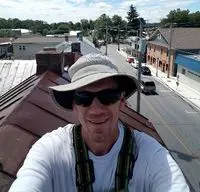
Shawn Zimmerman started painting in the summer of 1991, the year before he graduated high school. Shawn decided to pursue his career in the family business and continued to develop his skills in the trade while also developing the necessary skills to manage the business. Shawn enjoys being outdoors, canoeing, camping, hiking, hunting, fishing and spending time with family.