Interior vs. Exterior Commercial Painting: What’s Different?
August 19, 2025
Bathroom & Basement Moisture-Resistant Paint Solutions in Frederick
September 15, 2025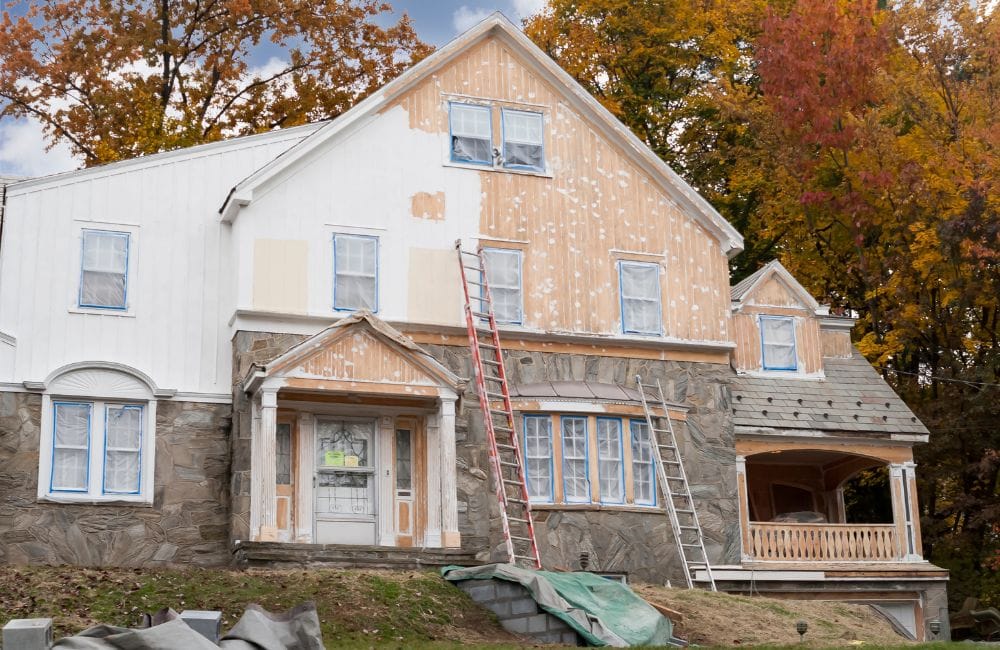
Most homeowners underestimate how much exterior paint affects curb appeal and resale value; if you skimp on surface preparation, choose the wrong color, or ignore priming and weatherproofing, you can lower your home’s market value. You should inspect siding, address moisture and rust, and avoid rushed DIY work that causes peeling and staining. For professional, reliable results, contact Frederick Painting at https://frederickpainting.com/.
Key Takeaways:
- Poor surface preparation and ignored repairs lead to peeling paint, rot, and structural damage that reduce curb appeal and resale value.
- Using low-quality paint, incorrect primers, or improper application shortens the lifespan of the finish and creates patchy, uneven results buyers notice.
- Bad color choices, mismatched trim, and sloppy details (caulking, flashing, gutters) create a dated or unkempt appearance that can turn buyers away.
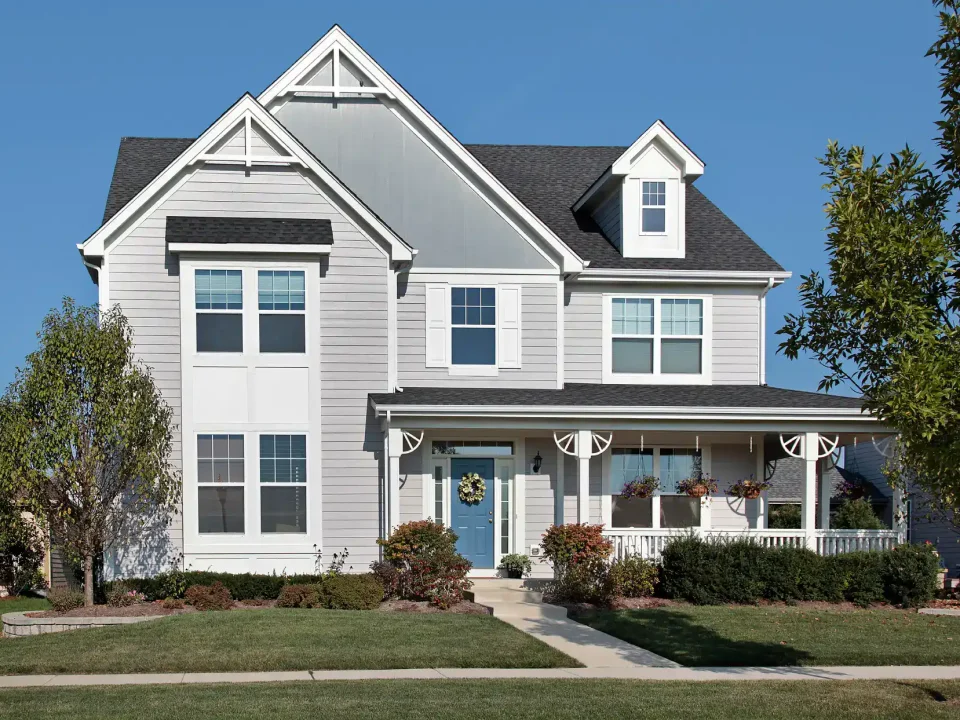
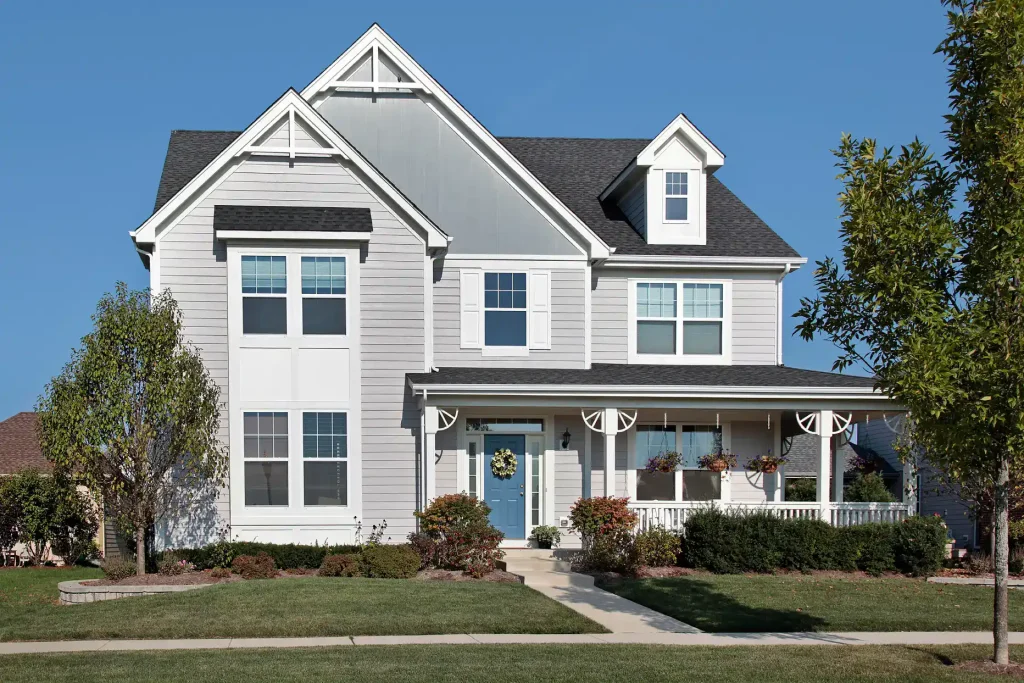
Exterior paint is one of the most visible factors buyers use to judge a property. A fresh, well-executed paint job can boost curb appeal and perceived value; mistakes do the opposite. Here are the most common errors homeowners make, how they lower your home’s value, and practical fixes.
Common mistakes and their impact
– Skipping surface prep: Painting over dirt, mildew, or failing wood causes premature peeling and blistering. Visible deterioration signals deferred maintenance to buyers and can lead to requests for price reductions or costly negotiated repairs.
– Neglecting repairs: Rotten siding, damaged trim, and failing caulk let moisture in. Paint can hide problems temporarily but won’t stop structural decline; unresolved damage lowers appraisal values.
– Choosing the wrong products or techniques: Cheap paint, no primer on raw wood or metal, and incorrect application (over-thinning, too few coats) lead to fading, uneven coverage, and shorter protection—meaning you’ll repaint sooner and buyers will notice the inferior finish.
– Poor color and finish choices: Extreme or outdated colors, overly contrasting trim, or inconsistent sheen across surfaces make the home look smaller or less cohesive, narrowing buyer appeal.
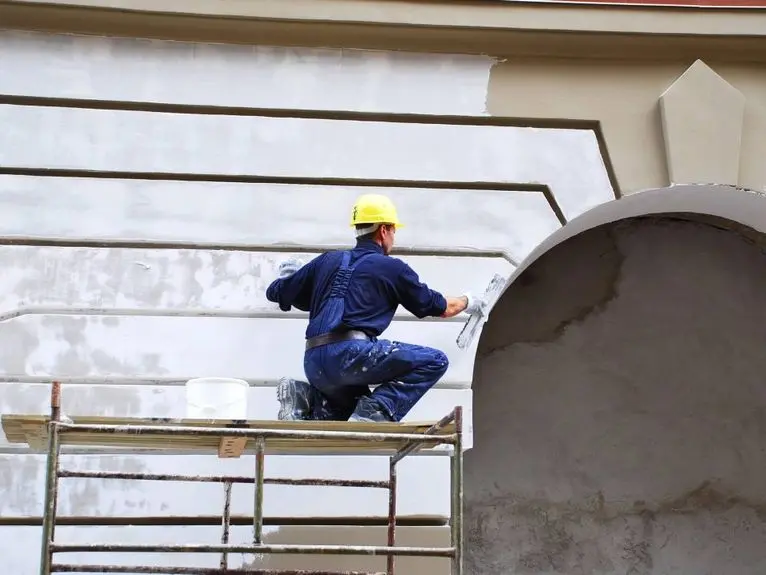
– Rushed or amateur work: Visible brush marks, drips, missed spots, and sloppy lines around windows and doors look unprofessional and suggest deeper care issues.
How these mistakes lower value
– First impressions: Exterior condition is the first thing buyers see; a poor paint job can reduce offers or extend time on market.
– Perceived maintenance: Visible flaws raise doubts about other systems (roof, HVAC, foundation), prompting stronger inspections and lower purchase price.
– Repair costs: Buyers subtract estimated repair and repaint costs from their offer, directly impacting your net sale.
How to avoid value-lowering mistakes
– Inspect and repair before painting: Replace rotten boards, fix flashing, clean mildew, and ensure trim and joints are sound. Proper caulking and flashing prevent future water damage.
– Choose quality materials and the right system: Use industry-compatible primers and high-quality exterior paints designed for your surface (wood, vinyl, masonry, metal). Higher-quality paint and correct application protect longer and look better.
– Pick buyer-friendly colors: Neutral, modern palettes expand buyer appeal. Consider professional color consultation to ensure cohesive trim, siding, and accent choices.
– Time the job correctly: Paint in appropriate weather—moderate temperature and low humidity—to ensure proper curing and adhesion.
– Hire experienced professionals: A licensed, insured painting contractor provides surface repair, correct product selection, skilled application, and warranties—minimizing risks that hurt value.
Why choose Frederick Painting
Frederick Painting (https://frederickpainting.com/) offers thorough surface preparation, premium coatings, professional color guidance, and skilled application to protect and enhance your home’s curb appeal. Their team handles repairs, caulking, and trim work so the finished result lasts and adds marketability when you sell.
If you’re preparing your home for sale or want to protect its value, start with a professional exterior assessment from Frederick Painting. Visit https://frederickpainting.com/ to request an estimate or schedule a consultation.
Color Choices That Diminish Curb Appeal
Understanding the Psychology of Color in Home Exteriors
Buyers make split-second judgments based on color, so you want hues that invite rather than alarm. Cool tones like blue and green tend to read as calming and trustworthy, while aggressive reds, hot oranges, or neon greens can feel off-putting to a broad audience. Very dark bodies and trims may look modern but often highlight surface flaws and raise wall temperatures; light neutrals mask imperfections and appeal to the widest pool. Test large swatches on your actual siding and view them at multiple times of day.
The Impact of Trending Colors vs. Timeless Options
Trending palettes—navy, charcoal, sage, and deep forest—can boost visual interest for a few seasons but often age in about 3–5 years, potentially narrowing buyer appeal. Neutral bases like warm greige, soft taupe, or off-white tend to sell faster and attract more offers; using trend hues as accents preserves contemporary flair without dating the whole property.
Choose a strategy that balances marketability and personality: keep the main body within a neutral range and apply a trending tone only to front doors, shutters, or a single feature wall so the saturated color covers no more than about 15–20% of visible facade area. Avoid painting the entire house a high-chroma color—agents often report listings getting fewer showings for bold, unconventional full-facade colors. Match your palette to the neighborhood context (streetscape cohesion matters) and confirm samples under morning, noon, and evening light before committing. If you want professional color consultation and precise sampling, you can work with the color specialists at Frederick Painting: https://frederickpainting.com/.
Poor Preparation: The Foundation of a Bad Paint Job
The Dangers of Skipping Surface Cleaning
Pressure washing at 1,500–2,500 psi or using a quality detergent removes chalk, mildew, and loose paint that otherwise prevents adhesion. If you skip cleaning, expect blisters, peeling, and premature failure within 1–3 years on exposed siding; dirt acts like a release agent between paint and substrate. Follow scraping, sanding, caulking, then cleaning so the topcoat bonds to a sound surface.
The Importance of Priming: When It Matters Most
Prime bare wood, new drywall, patched areas, and stain-bleed spots to seal porous substrates and block tannins; shellac or oil primers handle knots and heavy stains best, while acrylic primers suit most exterior siding. Proper priming improves adhesion, can reduce topcoat consumption, and turns a marginal job into a job that lasts. Choose a primer matched to substrate and finish coat for maximum durability.
Typical primers cover about 250–400 sq ft per gallon; latex primers often dry to recoat in 1–4 hours, oil-based 6–8 hours, and shellac-based in under an hour. Use a bonding primer on chalky or glossy surfaces and allow extra drying time in humidity—plan for 24–48 hours if conditions are damp. Professionals at Frederick Painting (https://frederickpainting.com/) routinely specify primer type by substrate, and jobs that include correct priming commonly extend finish life from a few years to 8–12 years, saving you money on early repainting.
Neglecting Quality Materials for Cost Savings
Why Cheap Paint Can Cost You More in the Long Run
Cheap paints often use lower pigment load and weaker binders, so you may end up applying 2–3 coats instead of one, increasing labor and material costs. A $15/gal bargain that covers 150–200 sq ft will likely peel, fade, and allow moisture intrusion within 3–5 years, while premium 100% acrylics covering 300–400 sq ft/gal can last 8–15 years. That early failure can force repainting and repairs that quickly erase any short-term savings.
The Role of Brands: Investing in Trusted Solutions
Top brands like Sherwin‑Williams, Benjamin Moore and PPG design exterior lines that pass industry tests (ASTM UV and adhesion standards) and often include product warranties; paying $35–60/gal for a tested formula usually reduces maintenance, fading, and call‑backs compared with commodity paints under $20/gal. You’ll see fewer issues with mold resistance, color retention, and film integrity when you choose proven products.
At Frederick Painting you’ll notice our specifications favor 100% acrylic exterior coatings for wood, fiber cement, and masonry because those formulas balance flexibility, UV resistance, and moisture shedding. Field data shows premium acrylics commonly extend repaint intervals to a decade or more depending on exposure, while lower‑grade vinyl‑based paints often require intervention within 3–5 years. ASTM D3359 adhesion and accelerated UV tests (similar to D4587) are referenced when we select products, and we match sheen and pigment load to each substrate—deep pigments and high‑hiding primers on dark or tannin‑rich woods, and elastomeric systems where hairline cracking exists. That specification discipline may add 10–30% to upfront material costs, but reduces your lifetime repaint frequency and the risk of moisture damage, peeling, and costly repairs, preserving curb appeal and resale value. Visit https://frederickpainting.com/ for examples of projects where higher‑grade materials prevented repeat work and protected homeowner investment.
Ignoring Weather Conditions During Application
How Humidity and Temperature Affect Paint Adhesion
High humidity and low temperatures change how paint bonds: humidity above 85% can delay curing and cause blistering, while many acrylics struggle below 50°F (10°C). Surface condensation forms when the surface temperature is within 5°F of the dew point, which ruins adhesion. You should schedule work around these limits to avoid peeling and premature failure.
Humidity & Temperature Effects
| Condition | Effect / Recommended Action |
| High humidity (>85%) | Slower drying, risk of blistering — wait for drier window or paint midday when humidity drops. |
| Low temperature (<50°F / 10°C) | Poor film formation for latex — use specialty low-temp formula or postpone until temps consistently rise above 50°F. |
| High temperature (>90°F / 32°C) | Very fast drying produces lap marks and weak flow — paint in morning/late afternoon or use slower-curing products. |
| Surface temp within 5°F of dew point | Condensation causes adhesion failure — avoid painting until surface is at least 5°F above dew point and drying. |
Seasonal Timing: When Is the Best Time to Paint?
Spring and fall usually give the best conditions: target days between 50–85°F (10–29°C) with relative humidity under 70%, and try to secure at least 2–3 consecutive dry days. Avoid winter freeze and midsummer heat spikes that can shorten coating life or cause bubbling.
Regional climate matters: in the mid-Atlantic, morning dew in April or heavy summer humidity in July often eats into workable hours, so plan projects for late morning through early afternoon when surfaces warm and humidity dips. Check a reliable forecast 48 hours ahead and confirm no rain is expected within 24 hours after finishing—moisture within that window commonly forces costly touch-ups. Frederick Painting uses this scheduling approach and specific product choices (low-temp acrylics, slow-curing formulas) to extend the paint’s rated lifespan, typically helping achieve the expected 8–15 years between full recoats depending on exposure. For project planning guidance, visit https://frederickpainting.com/.
Overlooking Maintenance and Touch-Ups
The Consequences of Ignoring Minor Repairs
Small failures like peeling paint, failed caulk, or a 1–2 inch crack in siding let water into walls and trim, quickly turning cosmetic issues into wood rot, mold, and framing damage. Typical repairs for unchecked rot range from $500 to $3,000 per affected area, and buyers often discount value by several percent when they spot neglected exteriors. Tackling chips and seals early prevents replacement costs and preserves curb appeal.
Establishing a Routine: How to Keep Your Home Looking New
Inspect your exterior twice a year—spring and fall—do an annual pressure wash (stay within 1,500–2,500 psi for siding), re-caulk joints every 1–3 years, and plan full repaints every 7–10 years for wood or 10–15 for high-quality acrylics on protected surfaces. Keep a simple kit (exterior caulk, touch-up paint, a 2″ brush) so you can address small chips immediately, avoiding accelerated deterioration.
Build a maintenance checklist that logs dates, materials used, and photographed conditions; this paperwork can boost buyer confidence and supports asking price during resale. If you prefer professional oversight, Frederick Painting offers inspection and maintenance plans that handle biannual checks, spot repairs, and scheduled repaints—helping you spread costs and protect your investment. Visit https://frederickpainting.com/ for service details and typical pricing ranges for maintenance contracts.
Misjudging Professional Help vs. DIY Projects
Signs That Indicate You Should Hire a Professional
If your home has lead-based paint, steep roofs, multi-story elevations, or visible structural rot, you should hire professionals with proper containment, scaffolding, and abatement training. Frequent issues like failing caulk, complex trim work, or extensive peeling over 1,000 sq ft also signal the need for pros who carry insurance, warranties, and OSHA-level fall protection, saving you time and reducing risk compared with a weekend DIY attempt.
The ROI of Professional Exterior Painting Services
Hiring a qualified crew typically costs $3,000–$7,500 for an average 1,500–2,500 sq ft home, but professional prep and high-quality coatings can extend paint life to 7–12 years versus 3–5 years with rushed DIY work; that longevity plus improved curb appeal often translates into an effective ROI of 50% or more when you factor reduced maintenance and faster resale.
Deeper ROI comes from avoided expenses: thorough prep prevents moisture intrusion that can require siding or trim replacement costing $5,000–$20,000</strong). Local market data shows homes with well-executed exteriors spend fewer days on market and can command higher offers because buyers equate a professional finish with overall maintenance. For accurate estimates tailored to your property and to see past project photos and client outcomes, visit https://frederickpainting.com/residential-exterior-painting-services-frederick-md/, where Frederick Painting documents typical scopes, costs, and expected lifespan for each system.
Failing to Consider Aesthetic Harmony with the Neighborhood
Neighborhood context dictates what buyers expect: Victorian streets often favor muted creams and historic trim, while new subdivisions trend toward neutral grays and soft beiges. A drastically different color can make your home stand out for the wrong reasons, complicate appraisals, and trigger HOA or historic-district review. Check local guidelines, photograph the block at different times of day, and if you need help matching tones to context, consult Frederick Painting at https://frederickpainting.com/ for a professional color consultation.
How to Analyze Compatible Styles and Colors
Survey the nearest 5–10 houses and note dominant siding materials and three recurring hues; appraisers and buyers often look for pattern consistency. Use the 60/30/10 rule—60% main field, 30% secondary, 10% accent—to translate neighborhood palettes into your scheme, and test full-size swatches on each facade face in morning and evening light before committing.
The Effect of Disrupting Community Standards on Value
HOAs commonly require approval for exterior color changes and may levy fines typically ranging from $50–$500 per violation; historic districts can demand restoration to approved palettes. Appraisers use 3–5 comparable sales within relevant timeframes, so an outlier color can complicate comps, lengthen time on market, and chill buyer offers.
Appraisers lean on comparables within a quarter- to one-mile radius and recent 6–12 month sales, so if your paint choice makes your house visually incompatible, appraisers may discount value or rely on more distant comps. Local agents will flag extreme hues to conservative buyers, increasing days on market; in many suburban markets, a property that fits neighborhood expectations often receives more showings and competitive offers, while an ill-fitting exterior can necessitate price reductions or a pre-listing repaint—both avoidable with proper analysis and the right professional guidance.
Conclusion
Following this, you can protect your home’s curb appeal and resale value by avoiding common exterior painting mistakes—poor prep, wrong color choices, low-quality materials, and rushed workmanship. If you want reliable results, trust experienced pros like Frederick Painting (https://frederickpainting.com/) to assess, prepare, and apply finishes that last, so your investment enhances rather than diminishes your property’s worth.
Exterior Painting Mistakes That Can Lower Your Home’s Value
Exterior paint is one of the most visible factors buyers notice when assessing a property. Poor choices or shortcuts can reduce curb appeal, shorten the life of the finish, and expose or worsen underlying problems — all of which can lower your home’s market value. For professional guidance and high-quality exterior painting services, visit Frederick Painting at https://frederickpainting.com/.
FAQ
Q: What common exterior painting mistakes most often reduce a home’s resale value?
A: Several repeated mistakes have outsized impact on value: inadequate surface preparation (failing to remove peeling paint, dirt, mildew, or loose wood), using the wrong type or low-quality paint, skipping primer, poor color choices that clash with the neighborhood, painting in inappropriate weather (too cold, hot, or humid), and sloppy application (runs, uneven coverage, missed spots). These problems shorten the life of the finish, create visible defects that turn buyers away, and can hide or worsen rot and moisture damage. Fixes include thorough repair and prep work, selecting exterior-grade paints and primers suited to your surfaces, testing colors in natural light, and using experienced painters who follow manufacturer application guidelines.
Q: How can the wrong color selection lower my home’s curb appeal and value, and how should I choose instead?
A: Color is a major emotional cue for buyers. Very bold or unconventional colors can deter a broad pool of buyers, while poorly coordinated trim and accent colors can make architectural details look messy or cheap. A color that’s inappropriate for the region or the home’s style can make the property stand out for the wrong reasons and reduce perceived value. To avoid this, test several large sample patches on different elevations and view them at morning, midday, and evening light; choose neutral or widely appealing palettes if you expect to sell soon; consider the tones of neighboring homes and the home’s architectural era; and consult a color professional when in doubt. Frederick Painting can provide color consultation and mockups to help you pick a palette that enhances curb appeal and preserves resale value.
Q: Can DIY exterior painting errors cause structural or inspection problems that hurt my home’s value?
A: Yes. Painting over rotten wood, failing to replace or properly seal trim and flashing, neglecting caulking around windows and doors, or applying incompatible coatings (for example, applying latex over deteriorated oil-based paint without proper prep) can trap moisture, accelerate decay, and promote mold or insect infestation. These issues often show up during home inspections and can lead to repair requests or lower offers. To avoid this, inspect and repair underlying damage before painting, use appropriate primers and sealants, and follow best practices for flashing and moisture protection. When in doubt, have a qualified contractor assess problem areas — professional repair and a quality paint system can preserve both the finish and the home’s long-term value.

Shawn Zimmerman started painting in the summer of 1991, the year before he graduated high school. Shawn decided to pursue his career in the family business and continued to develop his skills in the trade while also developing the necessary skills to manage the business. Shawn enjoys being outdoors, canoeing, camping, hiking, hunting, fishing and spending time with family.