Why Cabinet Painting Is a Cost-Effective Renovation Solution
August 5, 2025
Exterior Painting Mistakes That Can Lower Your Home’s Value
August 26, 2025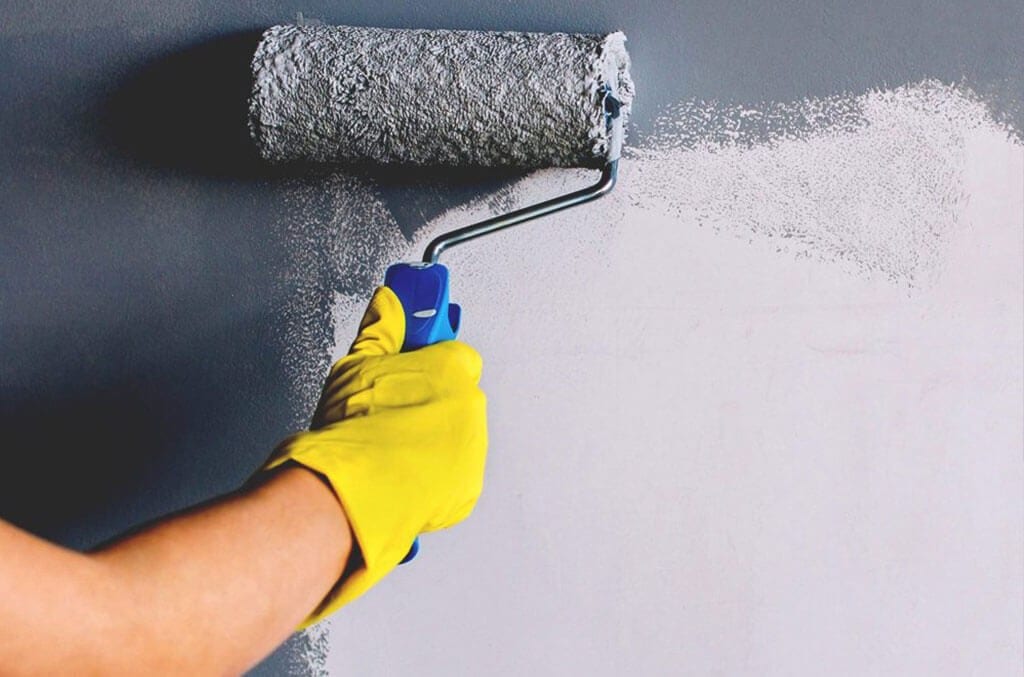
Most commercial painting projects require different approaches depending on whether you’re working inside or out; you must prioritize surface preparation indoors to ensure finish longevity, while outdoors, you face weather exposure and UV damage. You also need to manage lead, fumes, and ventilation hazards inside, and select durable, weather-resistant coatings for exteriors. For professional guidance tailored to your property, visit https://frederickpainting.com/.
Key Takeaways:
- Surface prep and substrates differ: interior projects deal mainly with drywall, tri,m, and controlled environments, while exterior work requires power washing, rust/rot repair, and primers for masonry and metal to withstand weathering.
- Coatings and finishes are selected for function as well as appearance: interior paints prioritize low-VOC formulations, washability, and finish consistency; exterior coatings emphasize UV, moisture, and temperature resistance, plus mildew and adhesion additives.
- Application logistics and safety vary: exterior jobs need proper weather windows, scaffolding, and weatherproof detailing; interior jobs focus on ventilation, odor control, and phased work to limit business disruption—commercial specialists like Frederick Painting (https://frederickpainting.com/) manage specifications, permits, and project coordination for the best outcome.
The Great Divide: Interior vs. Exterior Contexts
Key Differences in Environment
Inside, you deal with controlled airflow, drywall, trim, and cabinetry where finishes are judged by touch and sheen; outside, surfaces face sun, wind, rain, and salt that demand flexibility and adhesion. Prep differs too—sanding and dust containment for interiors versus power washing, caulking, and mortar repair for exteriors. Expect changes in safety and logistics, including fall hazards from ladders or scaffolds, the need for lifts for work above 20–40 feet, and weather delays that rarely affect interior schedules.
Impact of Climate on Material Choices
Humidity, UV exposure, and freeze–thaw cycles directly steer your product selection: coastal homes need rust inhibitors and mildewcide-treated coatings, sunfaçadesed façades benefit from high-UV-resistant 100% acrylics, and cold climates demand breathable systems to avoid trapped moisture. Plan applications between roughly 50–85°F and under 85% humidity for reliable curing and adhesion.
Digging deeper, you’ll choose primers and topcoats based on both substrate and microclimate. For example, fiber cement and stucco perform best with elastomeric or high-solids acrylic coatings that stretch through thermal expansion. At the same time, cedar siding often needs an oil- or alkyd-based primer to block tannin bleed before a quality latex topcoat. In tidal zones, corrosion-prone metal trim requires zinc-rich primers and polyurethane finishes; in humid interiors prone to mildew, you’ll favor low-VOC paints with mildewcides. Local regulations can limit VOC levels, so coordinate product specs with your contractor—Frederick Painting (https://frederickpainting.com/) can match coatings to Mid‑Atlantic conditions and schedule work in shoulder seasons to minimize recoat failures from temperature swings or persistent dew.
A Deeper Look at Material Specifications
Paint Formulations: What Sets Them Apart
You’ll see interior latex formulations emphasize low-odor, low-VOC binders (many modern options sit under 50 g/L VOC) and stain-blocking primers for drywall. At the same time, exterior acrylics include UV stabilizers, mildewcide, and higher binder solids for adhesion and flexibility. Metal trim and doors often still use alkyds for their hardness and corrosion resistance—except when alkyd VOCs exceed 350 g/L. For older buildings built before 1978, it’s recommended to test the paint for lead before sanding or repainting.
Finishes Matter: Gloss, Satin, and Beyond
Selecting sheen is a performance decision: use high-gloss or semi-gloss on doors, frames, and high-touch counters for maximum washability, satin or eggshell in corridors where scuffs happen, and flat on ceilings to hide flaws. You’ll trade surface-perfection for durability—higher sheen equals easier cleaning but more visible imperfections—so specify based on traffic, lighting, and maintenance cycles.
Sheen is measured by reflectivity, and that measurement correlates with durability and cleanability—semi-gloss and gloss pass more cycles on scrub-resistance tests (see ASTM D2486) than flat finishes. In healthcare and food-service areas, you’ll often need a finish that withstands frequent cleaning and disinfectants, so choose coatings with compatible solvent resistance and ask manufacturers for lab data on chemical resistance and abrasion. For exteriors, higher-gloss trims shed dirt better and resist mildew. At the same time, elastomeric coatings (used on stucco or masonry) can bridge hairline cracks—many products advertise up to 200% elongation—but you’ll pay more and need a thicker application. Frederick Painting recommends matching sheen to the space’s maintenance plan: lower-sheen where appearance flexibility matters, higher-sheen where long-term cleanability and impact resistance reduce touch-ups and downtime.
Surface Preparation: A Tale of Two Approaches
Preparation Techniques for Interior Spaces
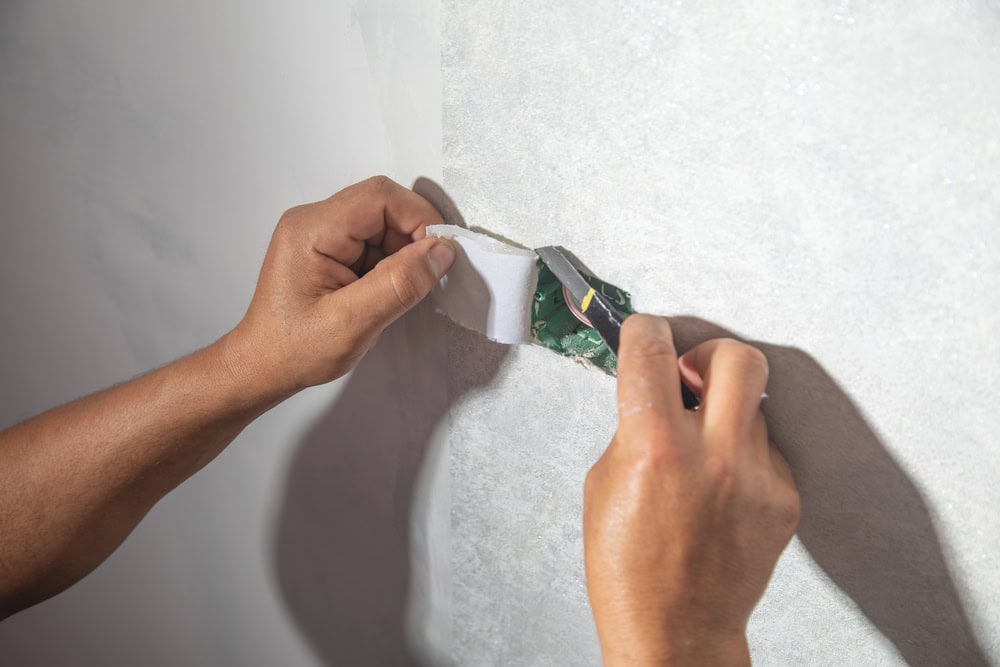
You’ll focus on drywall tapers, trim seams, and dust control: patch with setting-type joint compound and allow 24 hours to cure before sanding with 120–150 grit, vacuum with a HEPA attachment, and wipe surfaces with TSP substitute. Use a stain-blocking primer (≈300–400 sq ft/gal) on patched areas, choose low-VOC products for occupied buildings, and protect floors with six mil plastic and felt to prevent damage and contamination.
Outdoor Surfaces: Challenges and Solutions
Exterior prep often means power washing at 1,500–2,500 PSI, scraping to a firm edge, and treating rust with a zinc primer or wire brush; allow surfaces to dry 24–48 hours and confirm wood moisture is <15% before priming. Use masonry primers for brick/stucco, elastomeric coatings on heavily cracked substrates, and EPA RRP protocols plus testing when dealing with buildings built before 1978 to address lead hazards.
Coastal or industrial sites accelerate failure from salt and pollutants, so you should specify higher-performance systems: a galvanic or epoxy primer on metals, acrylic-latex topcoats with UV inhibitors, and silicone-based masonry repellents for porous brick. Plan for extra prep time—abrasive blasting or back-brushing after pressure washing—and budget for a second primer coat on weathered wood; these steps can extend exterior coating life from a typical 5–7 years to 10+ years in harsh conditions.
Application Techniques: Crafting the Perfect Coat
Tools of the Trade: Brushes, Rollers, and Sprayers
Choose tools by substrate and finish: use 2–4″ angled sash brushes for cutting in, synthetic bristles for waterborne coatings, and natural bristles for solvent-based enamels. Standard 9″ rollers with naps from 3/16″ (smooth) to 3/4″ (rough) handle most interiors; use 1″–1¼” naps for stucco. Airless sprayers with tip sizes of .015–.021 and operating pressures around 1,500–3,000 psi speed large jobs but create overspray, so masking and PPE are mandatory. Spraying can cut application time by up to 60–7façadesig façades.
Application Methods: Best Practices for Each Scenario
Cut in before rolling on interiors: use a 2½” angled brush and then lay off with a 9″ roller (3/8″ nap for eggshell, 1/2″ for light texture), working in 4–6 ft sections to keep a wet edge. Exterior prep typically starts with power washing at 1,500–2,500 psi, followed by spot-prime repairs with acrylic primer. Then, apply two coats of 100% acrylic at ~250–400 sq ft/gal. Avoid painting above 90°F or with dew point within 5°F. If the building predates 1978, test for lead and follow EPA RRP protocols.
For more depth, follow a process for each surface: on drywall, patch with lightweight joint compound, sand to P120–P220, vacuum, tack, then apply a PVA primer—prime seals porosity and improves coverage to the tune of 350–400 sq ft per gallon for typical latex. Cut in along trim and ceilings first, then roll using a “W” pattern and back-roll to even out texture; allow 2–4 hours between coats at 70°F/50% RH. Wood trim benefits from an oil or hybrid primer, light sanding between coats, and a full 24-hour cure for solvent-based topcoats. For masonry and stucco, after 24–48 hours drying from power washing, use an acrylic or elastomeric system—elastomeric may require 10–20 mils DFT and back-rolling after spraying to ensure adhesion and fill hairline cracks. Spraying techniques: hold an airless gun 12–18″ from the surface, overlap passes by 50%, and choose tip size based on viscosity (.015–.019 for latex topcoats, finer for stains). Always monitor ambient conditions—temperatures below 50°F or humidity over 85% extend dry times and increase risk of poor film formation—and equip your crew with respirators and containment when sanding old coatings or spraying outdoors near vents.
Longevity and Maintenance Expectations
Expected Lifespan: Interior vs. Exterior Finishes
Expect interior paints in low-traffic zones to hold up roughly 7–10 years, while corridors, lobbies, and retail areas often need touch-ups or repaints every 2–5 years due to abrasion and cleaning. Exterior lifespans depend on product and exposure: standard acrylic latex on commercial masonry or vinyl typically performs 7–12 years in mid-Atlantic climates, whereas premium 100% acrylic or elastomeric systems can reach 10–15 years. Poor substrate prep or moisture intrusion can reduce those numbers dramatically.
Maintenance Routines: Keeping Paint Fresh
Plan biannual inspections and an annual exterior wash to remove dirt, salts, and mildew; exterior soft-washing or pressure washing at under 2,000 PSI is common to prevent surface damage. For interiors, schedule monthly spot checks in high-traffic zones and plan touch-ups every 1–3 years, keeping a small touch-up kit with exact color, sheen, and lot information on file to match finishes precisely.
Use a soft wash or controlled pressure (about 1,200–2,000 PSI) for durable siding and test cleaners on a hidden area before full application; avoid blasting wood or older trim with high PSI since anything above 2,500 PSI can strip soft materials. Choose mild detergents or manufacturer-approved cleaners instead of harsh bleaches on color-coated surfaces, repair rot or rust before touching up, and store leftover paint in labeled airtight cans at stable temperatures. For budgeting, you can adopt a maintenance plan—annual washing, biannual inspections, and a full exterior repaint every 8–10 years for a typical 25,000–30,000 sq ft cfaçadeial façade—to minimize emergency work and downtime.
Cost Considerations: Budgeting for Your Project
Factors Influencing Cost: Materials and Labor
Several factors drive cost differences between interior and exterior work: the type of coatings, the extent of surface preparation, and labor access. For commercial jobs, you’ll see interior-grade acrylics and primers at roughly $25–$45 per gallon, while exterior elastomeric or high-build coatings can be $40–$75 per gallon; labor rates commonly range $40–$85 per hour, depending on night work, prevailing wage, or safety requirements. Any contingency of 10–20% helps cover upgrades and scope changes.
- Materials: paint, primer, specialty coatings
- Labor: hourly rates, overtime, certified applicators
- Surface preparation: sanding, patching, pressure washing
- Access: scaffolding, lifts, traffic control
- Project size: economies of scale on larger jobs
Hidden Costs: What to Watch Out For
Unexpected items often inflate bids: hazardous material abatement, extensive substrate repairs, and access equipment. Lead abatement can add $5–$15 per sq ft, scaffold rental $200–$800 per day, and replacing rotten sheathing or large drywall sections can add thousands; requiring itemized allowances and verification of disposal and permit fees helps you avoid sticker shock. Mold and lead work require licensed crews and will delay schedules and raise budgets.
On real projects, Frederick Painting encounters concealed issues that change bids: a $30,000 exterior repaint can jump 10–40% if hidden rot, rusted flashing, or moisture intrusion is uncovered during teardown. Pressure washing and solvent stripping add hours and materials; specialty coatings for kitchens, loading docks, or seismic areas carry premium pricing and longer cure times. To protect your budget, insist on a pre-bid walkthrough with documented photos, line-item allowances for surface repairs, scaffolding, and abatement, and a clear change-order process that requires written approval before additional work begins.
Legalities and Regulations: Navigating Building Codes
Interior Regulations: Safety and Compliance
OSHA and EPA rules often govern interior jobs: OSHA’s lead standard sets an action level at 30 µg/m³ and a PEL at 50 µg/m³, triggering monitoring, respirators, and medical surveillance under 29 CFR 1926.62 and 1910.134. You must follow EPA RRP protocols when you disturb suspected lead paint in pre-1978 buildings (the RRP rule applies to jobs that disturb more than six sq ft per room). Fire-rated egress coatings and local fire code clearances for stairwells and corridors are commonly enforced.
Outdoor Regulations: Environmental and Community Standards
Exterior work frequently requires encroachment permits for scaffolding or lane closures, and many municipalities restrict noisy operations to typical windows such as 7 AM–7 PM; check local ordinances. You’ll also face VOC considerations—low-VOC formulations under 50 g/L are widely available while older oil-based products often exceed 250 g/L—and strict rules about containing and disposing of overspray and washwater to prevent storm drain contamination.
Permit examples you’ll run into include sidewalk/streetscape encroachment permits, traffic control plans for lane closures, and scaffolding inspections governed by OSHA Subpart L (top rails required at 42 inches ±3 inches). Pressure-wash runoff that contacts lead, zinc, or other contaminants typically must be contained and either treated on-site or hauled off as regulated waste; under RCRA, generating more than 220 lbs (≈100 kg) of hazardous waste per month changes your generator status and recordkeeping requirements. Historic-district projects often require color approval from local review boards, with turnaround times of 30–60 days; factor this into your scheduling. For complex local rules and permit coordination, you can consult professionals like Frederick Painting (https://frederickpainting.com/) to streamline compliance and avoid fines or work stoppages.
The Aesthetic Impact: Setting the Right Tone
Color Psychology in Commercial Spaces
You can use color to steer behavior: blue and green tones tend to increase focus and reduce stress in office and healthcare settings, while red and yellow boost energy and appetite in quick‑service restaurants. Apply the designer’s 60‑30‑10 rule—about 60% neutral base, 30% secondary, 10% accent—and always test large swatches under your actual lighting; fluorescent or LED fixtures can shift a hue dramatically, changing perceived mood and productivity.
Exterior Appeal: Enhancing Brand Visibility
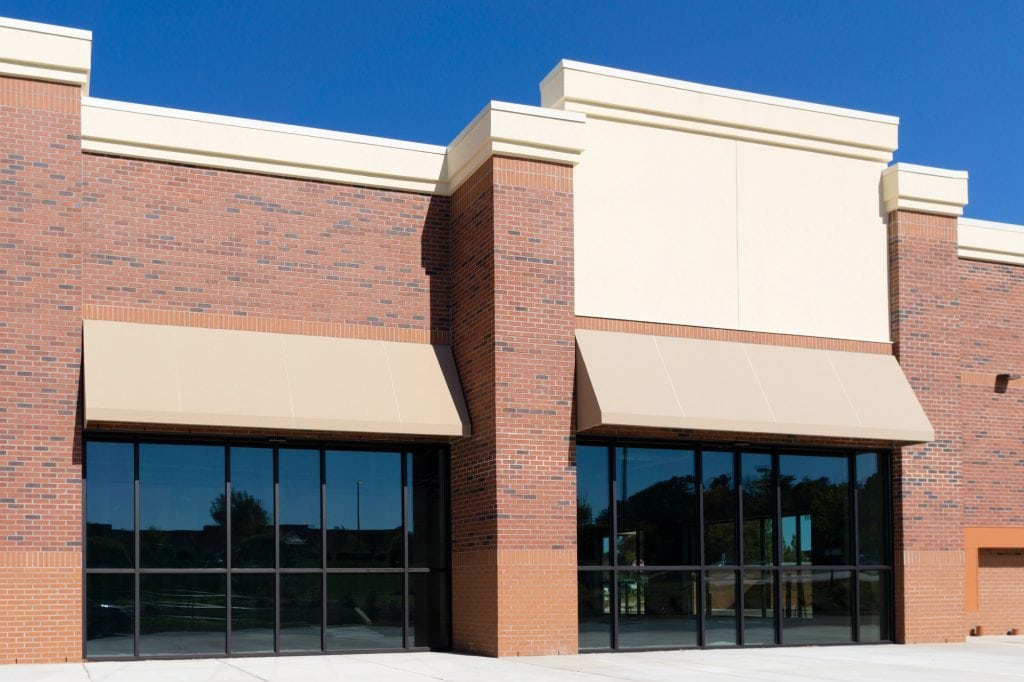
Choosing exterior colors affects curb appeal and wayfinding more than interior palettes; high‑contrast brand colors improve storefront recognition and signage legibility. Specify 100% acrylic, UV‑stable exterior paints for longer life—typical commercial lifespans run about 7–15 years, depending on exposure—and use contrasting trims or a saturated accent to draw attention to entries and logos.
Material and exposure dictate the technical approach: masonry, metal, and wood each need different primers (bonding primers for chalky surfaces, rust‑inhibiting primers for metal), and stucco often benefits from elastomeric coatings that can bridge hairline cracks up to about 1/16″. Coastal or heavily sun‑exposed buildings should plan for repaint cycles closer to 5–7 years and specify lightfast pigments to minimize fading. Frederick Painting typically recommends satin or semi‑gloss on doors and trim for easier cleaning and better legibility from the street, while reserving low‑sheen finishes on large wall fields to hide surface imperfections—small choices like these directly affect how quickly customers spot and trust your brand.
Summing up
Following this, you can see that interior and exterior commercial painting demand different priorities: interior work focuses on finish quality, low-odor products, and occupant safety, while exterior work emphasizes adhesion, weather resistance, and long-term durability. Your choice of prep, primers, and coatings should match exposure and use, and engaging a professional like Frederick Painting helps ensure specifications, schedules, and warranties meet your project’s needs.
FAQ
Q: What are the main differences between interior and exterior commercial painting projects?
A: Interior and exterior commercial painting differ in exposure, function, and performance expectations. Exterior work must withstand UV light, temperature swings, precipitation, wind-driven debris, and biological growth, so coatings are chosen for adhesion, flexibility, fade resistance, and water-shedding properties. Interior painting focuses on occupant comfort, indoor air quality, and aesthetics, which drives choices for lower-VOC, easy-to-clean finishes and specific sheen levels for high-traffic zones. Logistics also differ: exterior jobs often require scaffolding, lifts, and weather windows, while interior jobs require careful scheduling to limit disruption, protection of furniture and building systems, and coordination around HVAC and fire-safety requirements. For project guidance and product selection specific to your building, Frederick Painting can evaluate your needs at https://frederickpainting.com/.
Q: Do surface preparation and repair vary between interior and exterior commercial surfaces?
A: Surface preparation is more extensive outdoors because surfaces face more physical and environmental damage. Exterior prep typically includes pressure washing to remove dirt and biological growth, scraping and sanding failing coatings, rust treatment on metal, sealing or repairing cracks in masonry, and replacing or stabilizing rotted wood. Interior prep emphasizes dust-free sanding, drywall taping/skim-coating, patching, cleaning grease or smoke residues, and masking sensitive finishes and fixtures. Both require proper priming matched to substrate and coating system — exterior primers may include rust inhibitors or masonry primers. In contrast, interior primers may address tannin bleed, water stains, or high-humidity areas. Thorough prep increases longevity and performance whether inside or out; Frederick Painting’s teams handle these assessments and repairs — see https://frederickpainting.com/ for examples and consultations.
Q: What should building owners consider when choosing paints and maintenance plans for commercial interiors versus exteriors?
A: Owners should weigh durability, maintenance interval, safety, aesthetics, and budget. For exteriors, select high-performance acrylics, elastomeric or specialty masonry coatings, and consider anti-graffiti or moisture-mitigation systems in problem areas; warranties and recoat cycles will depend on exposure and product grade. For interiors, consider finish level: flat or matte for large public areas to hide imperfections, satin/semi-gloss for hallways, bathrooms, and kitchens for washability, and specialty coatings (epoxy, anti-microbial, or chemical-resistant) for industrial or healthcare spaces. Also factor in VOC limits, odor control during application, and coordination of maintenance windows to minimize disruption. A preventive maintenance schedule — regular inspections, targeted touch-ups, and timely recoat — extends life and reduces long-term costs. Frederick Painting can recommend coating systems and maintenance plans tailored to your property: https://frederickpainting.com/.

Shawn Zimmerman started painting in the summer of 1991, the year before he graduated high school. Shawn decided to pursue his career in the family business and continued to develop his skills in the trade while also developing the necessary skills to manage the business. Shawn enjoys being outdoors, canoeing, camping, hiking, hunting, fishing and spending time with family.