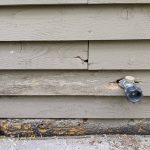
How to Repair Rotten Wood Siding and Get It Ready for Paint
April 21, 2026
Industrial buildings are built to handle demanding use, but that does not mean their surfaces can be ignored.
Walls, floors, ceilings, steel, concrete, and other exposed areas inside and outside a facility are subject to constant wear. Heavy traffic, moisture, chemicals, impact, abrasion, changing temperatures, and day-to-day operations all put pressure on those surfaces. Over time, that exposure can lead to a breakdown that affects both appearance and function.
That is where industrial painting in Frederick, MD plays an important role.
Industrial painting is not just about making a facility look cleaner or more finished. It is a protective measure. The right coatings, paired with the right prep work, help shield key surfaces from damage, extend service life, and support smoother long-term maintenance.
For facilities that need to stay productive and protected, painting should never be treated as an afterthought. It is part of how the property is maintained, how surfaces are preserved, and how the cost of deterioration is reduced before it becomes a bigger issue.
Industrial painting is about protection first
In many settings, the word “painting” makes people think about color changes or visual improvement.
In industrial environments, the purpose goes far beyond appearance.
Industrial coatings are often applied to help surfaces resist the conditions they face every day. Depending on the area, that can mean helping protect against moisture, corrosion, wear, impact, staining, or repeated cleaning.
That is why industrial painting in Frederick, MD matters for facility protection. It creates a barrier between the working environment and the material underneath.
Without that barrier, surfaces are more exposed.
Steel may begin to corrode. Concrete may absorb contaminants more easily. Walls may wear down faster. Floors may become harder to maintain. Exterior surfaces may deteriorate more quickly when exposed to weather and moisture.
The paint system itself is part of the protection plan.
Facilities deal with more surface stress than many people realize
A standard office space and an industrial site do not deal with the same demands.
Industrial properties often experience much tougher conditions, including:
- equipment traffic
- repeated cleaning
- impact from tools or materials
- temperature shifts
- humidity
- water exposure
- chemical contact
- abrasion on floors and walls
- daily operational wear
These conditions affect more than one area of the building. They can impact production spaces, storage areas, mechanical zones, loading sections, utility rooms, corridors, exterior structures, and more.
Over time, that wear adds up.
A surface that looked acceptable a year ago may now show peeling, rust staining, coating breakdown, or hard-to-clean wear patterns. Left alone, those issues can continue spreading and affect the material below.
That is one of the biggest reasons industrial painting in Frederick, MD should be viewed as a protective investment rather than a cosmetic project.
Surface failure often starts small
One of the biggest mistakes facility owners and managers can make is waiting until the damage becomes obvious everywhere.
Most coating failures do not begin as large problems.
They often start with small warning signs such as:
- peeling in isolated spots
- surface chalking
- rust bleed-through
- coating cracks
- worn traffic paths
- staining that no longer cleans up well
- flaking around edges or joints
- dull, weakened finishes
At first, these issues may seem minor.
But they often signal that the protective layer is breaking down. Once that happens, the substrate underneath has less defense against moisture, wear, and daily exposure. A localized problem can turn into broader deterioration if recoating or repair is delayed too long.
That is why regular attention to coatings matters so much in industrial settings.
Industrial painting helps protect structural and operational surfaces
When people think about facility protection, they often focus only on structural integrity in the broadest sense.
But many painted surfaces in a facility also support protection in everyday, practical ways.
Industrial painting can help preserve:
- steel supports and exposed metal
- concrete walls and floors
- masonry surfaces
- production-area walls
- ceilings in working spaces
- loading and service areas
- exterior building surfaces
- railings, piping, and utility-related components
Each of these surfaces may face different risks.
Metal may need defense against corrosion. Concrete may need help resisting wear, staining, or moisture intrusion. Exterior materials may need better weather protection. Interior areas may need coatings that withstand repeated cleaning or heavy traffic.
In each case, the finish is doing more than covering the surface. It is helping the surface hold up longer.
Moisture is one of the biggest threats to facility surfaces
Moisture is a major issue in many industrial properties, even when leaks are not obvious.
It can show up through humidity, condensation, wash-down processes, weather exposure, damp exterior conditions, roof-related issues, or repeated contact in certain work zones.
When protective coatings fail, moisture has an easier path to the substrate below.
That can lead to:
- corrosion on metal
- breakdown of existing finishes
- staining and surface weakening
- adhesion failure
- damage around joints or transitions
- faster deterioration outdoors
This is one reason industrial painting in Frederick, MD matters so much for facility protection. In the wrong conditions, moisture can quietly shorten the life of key surfaces. A properly prepared and coated surface is more likely to hold up under those conditions.
Corrosion control is a major reason industrial coatings matter
For facilities with exposed metal, corrosion is a serious concern.
Once metal starts to corrode, the issue rarely stays limited to appearance. Surface rust can spread, weaken the finish system, and lead to more involved maintenance needs later.
Protective coatings help slow that process by reducing direct exposure to moisture and environmental conditions that promote corrosion.
This matters for items such as:
- steel framing
- railings
- exterior metal components
- support structures
- utility-related surfaces
- doors and access points
Corrosion is often easier to control early than it is to reverse once the damage spreads. That is why industrial painting is part of a preventive strategy, not just a response after deterioration becomes severe.
Floor coatings can support both durability and maintenance
Industrial floors take constant abuse.
Foot traffic, rolling equipment, dragged materials, spills, abrasion, and repeated cleaning all affect how well a floor performs over time. In many facilities, the floor is one of the hardest-working surfaces in the building.
When the coating system is worn or failing, several problems can follow:
- surfaces become harder to clean
- staining becomes more persistent
- wear paths become more visible
- the floor may begin breaking down faster
- maintenance becomes more frequent
A well-selected floor coating can help the surface better resist daily wear. It can also support cleaner-looking work areas and more predictable upkeep.
For facilities that depend on long-term performance, floor protection is a major part of the overall coating plan.
Exterior industrial painting protects the building envelope, too
Facility protection is not just an indoor issue.
Exterior surfaces also take ongoing exposure from sun, rain, humidity, seasonal temperature swings, and general weathering. When outside coatings begin to fail, the building envelope becomes more vulnerable to moisture-related damage and broader surface breakdown.
Exterior industrial painting can help protect:
- siding
- metal panels
- masonry walls
- trim and support surfaces
- doors and loading-area elements
- exposed exterior steel
In a place like Frederick, MD, where weather conditions change with the seasons, maintaining exterior coatings can make a meaningful difference in how well those surfaces age.
Ignoring exterior wear for too long can lead to more than a worn appearance. It can allow the underlying surface to take on damage that is more expensive to correct later.
Surface prep is what makes protection possible
A coating system is only as strong as the surface beneath it.
That is why prep work is such a major part of industrial painting in Frederick, MD. If the substrate is not cleaned, repaired, stabilized, and prepared properly, even a good coating can fail sooner than it should.
Proper preparation may involve:
- removing loose or failed coating
- cleaning contaminants from the surface
- addressing rust or corrosion
- repairing damaged areas
- improving adhesion conditions
- making sure surfaces are dry and sound before coating
Skipping or rushing prep often leads to poor results.
The finish may look acceptable at first, but peeling, blistering, or adhesion failure can show up much sooner than expected. In industrial settings, that means the protection layer may be lost before it has delivered the service life the facility needs.
Industrial painting supports long-term maintenance planning
Facility maintenance works best when it is proactive.
Industrial painting fits into that approach because it helps address surface wear before it turns into deeper material damage. Instead of waiting for visible failure everywhere, facilities can plan recoating around condition, use, and exposure.
That brings several advantages.
It can help spread out maintenance costs more predictably. It can reduce the chances of emergency repairs. It can keep surfaces in better condition over time. It can also support a more organized maintenance schedule, rather than reacting only when deterioration becomes severe.
In that sense, industrial painting is not separate from facility maintenance.
It is one of the tools that helps maintenance planning work better.
It can help reduce more expensive repair cycles
When protective coatings fail, and the substrate begins to deteriorate, the next step is often more than repainting.
The facility may need repairs to damaged concrete, metal, wall systems, or other surfaces before recoating can even begin. That usually means more downtime, more labor, and more expense.
This is why timely industrial painting in Frederick, MD can help reduce costlier repair cycles.
A maintained coating system helps slow the type of wear that leads to larger restoration work. It does not eliminate all maintenance needs, but it can reduce how quickly surfaces move from normal wear into more serious deterioration.
That difference matters in high-use environments where surface failure can spread fast once the protective layer is gone.
Cleanliness and presentation still matter in industrial spaces
Protection is the main purpose, but appearance still has value.
A facility with worn, peeling, stained, or failing surfaces can give the impression that maintenance is slipping, even when operations are otherwise running well. On the other hand, a clean, well-kept finish supports a more orderly environment.
That can matter for:
- employee impressions
- customer visits
- inspections and walkthroughs
- general upkeep standards
- pride in the facility environment
This does not mean industrial painting should be treated like a decorative upgrade.
It means that protection and appearance often go hand in hand. A well-maintained coating system usually performs better and looks better at the same time.
Different areas need different coating solutions
Not every surface in a facility should be treated the same way.
A production area wall does not face the same conditions as an exterior steel component. A warehouse floor does not need the same protection as a utility room ceiling. A loading zone may require different performance from an interior corridor.
That is why industrial painting projects require a clear understanding of the environment each surface is exposed to.
Important factors include:
- interior or exterior exposure
- moisture levels
- abrasion and traffic
- impact risk
- cleaning demands
- chemical exposure
- substrate type
- temperature conditions
Matching the coating system to the actual use of the area is a major factor in effectively protecting the facility.
Timing matters more than many facilities think
Waiting too long is one of the most common reasons small coating issues become larger repair needs.
A coating system that is starting to break down often gives visible warnings before the substrate is heavily damaged. That window is where action can make the most difference.
Facilities should pay attention to signs like:
- growing rust spots
- repeated peeling
- coating wear in traffic lanes
- more difficult cleaning
- dull or thin-looking finishes
- visible erosion of older coatings
Addressing those warning signs earlier usually creates better options than waiting until widespread repair is needed.
That is why timing is so important in facility protection. The goal is not only to repaint surfaces eventually. It is to do it before failure reaches a point that affects the material below.
Industrial painting can help support safer, more workable environments
While the main goal is surface protection, coatings can also contribute to how functional a space feels day to day.
In some areas, a maintained finish can support:
- better light reflectivity
- cleaner-looking work zones
- easier maintenance routines
- clearer distinction between areas
- more orderly surfaces overall
These benefits do not replace the protective purpose of industrial painting, but they do add to its value. A facility that is easier to maintain and visually clearer can support smoother operations alongside stronger surface preservation.
Why local facility conditions in Frederick, MD matter
Every facility has its own conditions, but location still plays a role.
In Frederick, MD, industrial properties may be affected by changing seasons, humidity, rainfall, and temperature shifts throughout the year. Exterior coatings need to withstand those changes, while interior environments may face their own challenges depending on the building’s use.
That local context is one more reason industrial painting in Frederick, MD should be approached with surface protection in mind.
The goal is not just to coat a surface once and move on. The goal is to help that surface perform under the conditions it actually faces in this region and within the facility itself.
Why businesses should not treat coating failure as a minor issue
It is easy to delay painting when the problem seems mostly visual.
But in industrial settings, failing coatings are often an early warning sign that the protective layer is no longer doing its job. If that warning is ignored, the facility may face more extensive issues later.
What begins as peeling or rust spotting can become broader substrate damage. What begins as worn floors can turn into heavier wear and harder maintenance. What begins as an exterior finish breakdown can lead to deeper weather-related deterioration.
That is why industrial painting should be part of a protection strategy, not just a touch-up decision.
Industrial painting in Frederick, MD matters for facility protection because industrial surfaces do more than sit in place. They work hard every day.
They face traffic, moisture, wear, cleaning, impact, and changing conditions that slowly break down exposed materials. Without a sound coating system, those surfaces become more vulnerable to corrosion, deterioration, staining, and early failure.
Industrial painting helps create a protective barrier.
When paired with proper prep work and the right coating approach for each area, it can help preserve steel, concrete, walls, floors, and exterior surfaces more effectively. It can also support a longer service life, better maintenance planning, and a facility environment that remains in better condition over time.
For businesses responsible for keeping industrial properties in working shape, painting is not just about how the building looks.
It is part of the facility’s protection.
FAQs
1. Why is industrial painting important for facility protection?
Industrial painting helps shield surfaces from moisture, wear, corrosion, and daily operational stress. It supports longer surface life and helps reduce deeper deterioration.
2. What surfaces can industrial painting protect in a facility?
It can help protect floors, walls, ceilings, concrete, steel, masonry, exterior surfaces, railings, and other exposed areas in demanding conditions.
3. How do I know if a facility needs industrial repainting?
Common signs include peeling, rust spots, worn floor paths, staining, cracking, chalking, and coating failure in localized or high-use areas.
4. Is industrial painting only about appearance?
No. Appearance is a secondary benefit. The main purpose is protection, including helping surfaces resist wear, moisture, and breakdown.
5. Why does prep work matter so much in industrial painting?
Prep work helps the coating bond to a clean, stable surface. Without proper prep, even a good coating system can fail much sooner than expected.

Shawn Zimmerman started painting in the summer of 1991, the year before he graduated high school. Shawn decided to pursue his career in the family business and continued to develop his skills in the trade while also developing the necessary skills to manage the business. Shawn enjoys being outdoors, canoeing, camping, hiking, hunting, fishing and spending time with family.