Essential Tips for Your Exterior Painting Project in Frederick
September 4, 2025
How to Read an Estimate—Transparent Pricing for Frederick Clients
September 17, 2025
Just because basements and bathrooms trap humidity, you need professional-grade solutions; Frederick Painting Company equips you with moisture-resistant paints and proven surface prep so you avoid mold growth and structural damage, preserve finishes, and maintain healthier indoor air—trust their experienced team to assess conditions, recommend the right products, and deliver lasting protection for your home.
Key Takeaways:
- Local Frederick team provides moisture-resistant paints and primers specifically formulated for bathrooms and basements to minimize mold, mildew, and peeling.
- Emphasis on thorough surface preparation and ventilation guidance to ensure durable, low-maintenance finishes in damp areas.
- Professional, warranty-backed service with tailored product and color recommendations to meet the unique needs of each home.
Unveiling the Necessity of Moisture-Resistant Paints in Bathrooms and Basements
The Battle Against Humidity: Why Moisture Matters
Your bathroom showers can spike relative humidity above 90% for short periods, and basements commonly sit above 60% RH, conditions where mold can begin within 24–48 hours. You’ll see paint blistering, staining, and substrate breakdown occur faster in those environments. Choosing coatings with mold inhibitors and high vapor permeability reduces condensation, limits visible damage, and often pushes repaint cycles out by years rather than months.
The Impacts of Neglecting Moisture Control
Ignoring persistent moisture allows mold to colonize porous surfaces, triggering allergy and asthma symptoms and necessitating remediation that can cost thousands of dollars. You may experience peeling, blistering, and unsightly staining within a few months. At the same time, prolonged exposure leads to wood rot, compromised joists, and insulation loss—issues that degrade indoor air quality and can lower your home’s resale value.
A typical scenario: a 1,000–1,500 sq ft basement with recurring condensation often develops visible mold behind drywall within months, necessitating the removal of contaminated drywall, replacement of insulation, and professional remediation—costs commonly exceed $3,000–$7,000. Applying a proper moisture-resistant primer and paint after repairs prevents recurrence, protects substrates, and can help prevent repeated repair cycles that would otherwise consume time and money.
Frederick Painting Company: A Local Authority on Paint Solutions
Years of Expertise in Frederick’s Unique Climate
With over 20 years of serving Frederick County and thousands of residential and commercial projects completed, you get solutions tailored to wide seasonal humidity swings and repeated freeze–thaw cycles. Field-tested choices—vapor-permeable primers, epoxy basement coatings, and mildew-resistant bathroom paints—address common issues such as mold, efflorescence, and ongoing moisture intrusion, ensuring your spaces remain dry and durable through local weather extremes.
The Commitment to Quality and Customer Satisfaction
You receive a documented plan with photo-documented preparation, step-by-step scopes, and on-site moisture testing (including relative humidity and surface readings) before and after work. Standard offerings include manufacturer-backed product warranties plus a 5-year workmanship guarantee on moisture-resistant systems, so your investment is protected and measurable results are delivered.
On a recent Frederick basement project, we recorded a baseline RH of 78% with visible mold; after concrete repair, vapor barrier installation, and a high-build epoxy topcoat, the RH dropped to 54% and complaints ceased. You can expect pre- and post-project readings, scheduled follow-ups at 30 and 365 days, and clear documentation showing how each step reduced risk and extended the life of your finishes.
Exploring the Science Behind Moisture-Resistant Paint
Key Ingredients that Combat Mold and Mildew
Biocides and mildewcides, such as zinc pyrithione and isothiazolinones, are blended into binders to suppress mold and mildew. Meanwhile, acrylic-latex resins with high solids and silane/siloxane additives reduce water uptake. You benefit from low-VOC formulations (<50 g/L) that maintain breathability; lab chamber tests commonly show a reduction of more than 90% in surface fungal growth over 6–8 weeks when those actives are present.
How Technology Enhances Paint Performance
Nanoparticle additives (nano-silica, nano-clays) increase film toughness and create hydrophobic surfaces that shed moisture, so you get reduced water intrusion and longer-lasting finishes. Advances in cross-linked polymer chemistry and controlled-release microcapsules for fungicides enhance adhesion and extend protection, with accelerated ASTM-style tests often demonstrating months of mildew resistance beyond the standard lifespan of interior paints.
Performance tuning also targets practical metrics you can use: aim for a dry-film thickness of about 3–4 mils per coat and follow a two-coat system over a quality primer to maximize barrier properties. Manufacturers balance water vapor permeability—many formulations target roughly 1–10 perms, depending on the substrate—to prevent trapped moisture while maintaining a protective surface. Photocatalytic and UV-stabilized additives further reduce organic staining and pigment breakdown. Real-world case studies show that treated basement walls remain visually cleaner for 12–18 months in high-humidity conditions when paired with proper preparation and ventilation.
Application Techniques for Optimal Moisture Resistance
Surface Preparation: The Foundation of Durability
Strip loose paint and mold, patch cracks with hydraulic cement or a spackling compound, then sand to a uniform profile using 80–120 grit for damaged areas and 120–180 grit for final feathering. Use an EPA-registered mold remover or follow the product label directions for bleach solutions, and let the substrates dry until the moisture meter reads acceptable levels for the material. Wear an N95 respirator and goggles when sanding or treating mold to avoid inhaling spores.
Choosing the Right Tools and Methods for Application
Match roller nap to surface texture: 1/4″ nap for smooth drywall, 3/8″–1/2″ nap for semi-smooth, and 3/4″+ for rough or cinderblock; use nylon/polyester brushes for trim and an airless sprayer with a 0.015–0.021″ tip for fast, uniform coats. Plan for two coats, expect ~350–400 sq ft per gallon per coat, and allow 2–4 hours between coats in normal conditions (extend to 6–8 hours at high humidity).
Work with a wet edge and maintain a consistent wet film thickness—typically about 4–6 mil wet—to achieve the manufacturer’s recommended dry film thickness. Back-roll sprayed areas to force paint into pores on porous masonry, and avoid thinning beyond the label limits to maintain high binder levels for optimal moisture resistance. For example, a 10’x12′ basement with 8′ ceilings (≈352 sq ft wall area) will need roughly 2 gallons to cover two coats at 350 sq ft/gal, letting you order materials and schedule drying time accurately.
Cost Factors and Value Assessment of Quality Paint
- Frederick Painting Company labor and warranty terms
- Price per gallon for bathroom moisture-resistant paint and primers
- Costs for sealers, vapor barriers, and specialty moisture-resistant paint
- Surface preparation: mold remediation, patching, and drywall replacement
- Long-term savings from decreased maintenance and avoided remediation
Breakdown of Material Costs vs. Long-Term Benefits
Premium bathroom moisture-resistant paint typically costs $50–$85 per gallon, primers $15–$30, and specialty sealers $20–$40. A small bathroom typically requires 1–2 gallons, while basements often require 3–6 gallons. You can compare that against one mold remediation bill of $2,000–$6,000 or frequent repaints every 3–5 years. Using quality materials can extend the finish life to 10–15 years, often making the upfront investment the more economical choice.
Why Investing in Professional Application Saves Money
Expect professional crews to charge roughly $300–$1,200 per room, depending on prep; that fee covers surface repair, correct primer selection, and proper ventilation/drying—actions that prevent peeling, condensation-related failures, and voided warranties. With a professional application, you typically need fewer touch-ups, retain resale value, and reduce the chance of costly mold issues.
Field data from residential projects shows that proper prep and a two-coat system can cut repaint frequency by half; for example, a finished basement using an epoxy-modified basement moisture-resistant paint held up for 12 years versus 4 years for standard latex, saving roughly $1,200–$2,500 in recoat and remediation costs over that period when you factor labor and materials.
Assume that hiring Frederick Painting Company for both material selection and expert application reduces your total lifecycle cost and risk of mold-related damage more than choosing the cheapest paint and DIY approach.
Painting Project Timing: When to Start for Best Results
Seasonal Considerations for Paint Application
Late spring (May–June) and early fall (September–October) in Frederick offer the best balance of mild days and lower humidity, with average highs in the 60s–70°F. Summer humidity often exceeds 70%, extending drying times from 24 to 72 hours or more, while winter temperatures below 50°F can prevent proper curing. Schedule bathroom or basement work during drier months or after running your HVAC/dehumidifiers to keep the relative humidity under 60%.
Ideal Conditions for Maximum Performance
Aim for stable conditions: 50–85°F (10–29°C) and relative humidity between 40–60%. Under these parameters, moisture-resistant primers and topcoats typically dry enough for recoat in 4–24 hours and develop full mildew resistance within 7–14 days. You should ventilate spaces and use fans or a dehumidifier to speed curing and prevent adhesion problems.
If relative humidity climbs above 70%, you may see drying stretch to 48–96 hours and risk poor adhesion or blushing; a Frederick basement case in July showed primer tackiness for 72 hours until RH dropped from 78% to 52% with a dehumidifier. Verify that the surface temperature is at least 5°F above the dew point to prevent condensation on the paint, and wait 24–48 hours after mechanical drying before applying the final coat for optimal long-term performance.
Customer Stories: Transformations from Moisture Issues to Resilient Spaces
Real-Life Examples of Problem Solving
In a downtown Frederick rowhome, the crew tackled a 1,200 sq ft basement with persistent mold growth: after perimeter sealing, a sump pump installation, and two coats of high-performance epoxy, the basement RH fell from ~72% to ~46% and mold stains disappeared within three weeks. Another job sealed an 8′ x 10′ bathroom with recurring paint failure by replacing the exhaust vent and using a moisture-rated acrylic; peeling stopped, and finishes remained intact through two winters.
Feedback and Testimonials from Satisfied Clients
Clients across 150+ projects give an average rating of 4.9/5, praising fast 24–48 hour responses, clear before-and-after moisture readings, and crews that prevent cross-contamination—comments often note relief from ongoing water damage after treatment.
Homeowners report specific outcomes: one family reported a musty odor gone within 72 hours and a 95% reduction in visible mold, while another renter saw a drop in bathroom humidity from 75% to 44% after a vent upgrade and repainting. Technicians consistently provided documented RH measurements, material data sheets, and service timelines, so you know what was done and why. Many projects carried a 5–10 year coating performance expectation, giving you measurable peace of mind.
Guidance on Maintenance for Longevity
Routine Checks: Preserving Your Investment
You should schedule visual inspections every 3 months to spot peeling, blistering, or mold growth. Use a hygrometer to keep humidity below 50% (ideally 30–50%) and run an exhaust fan rated 50–100 CFM for 20 minutes after showers. Re-caulk silicone joints every 1–2 years and recoat high-traffic bathrooms every 3–5 years. In basements, check for efflorescence, condensation on pipes, or water stains and address leaks within 48 hours to prevent paint failure and structural damage.
Quick Fixes and Touch-Ups to Extend Paint Life
You should address chips and stains within 48 hours. Sand the edges with 120–150 grit sandpaper, fill holes ≤1/4″ with spackle (use backing for >1/2″ holes), prime stained areas with a stain-blocking primer, and then topcoat with a moisture-resistant satin or semi-gloss finish. Allow primer 1–2 hours and topcoat 2–4 hours between coats. Use a mini-roller for a smooth texture. Clean visible mildew with a 1:10 bleach solution or 3% hydrogen peroxide before painting to prevent spread.
If you face stubborn stains or recurring moisture marks, use mold-resistant primers like Zinsser Perma-White or Kilz Mold & Mildew Resistant. To achieve a professional color match, consider using a spectrophotometer to avoid visible touch-up halos. Feather new paint outward with a 2″ angled brush or 4″ mini-roller for seamless blending and apply multiple thin coats rather than one heavy coat. Call professionals if mold covers more than 10 sq ft, plumbing leaks persist, or efflorescence continues—those issues often require remediation beyond a simple touch-up.
To wrap up
From above, you can rely on Frederick Painting Company to assess your bathroom and basement needs, specify high-quality, moisture-resistant paints, and deliver professional applications that reduce dampness, mold, and peeling while extending the life and appearance of your surfaces—giving you a durable, low-maintenance finish tailored to your home in Frederick.
FAQ
Q: What types of moisture-resistant products does Frederick Painting Company use for bathrooms & basements?
A: We use a combination of industry-grade solutions selected for substrate and exposure: mildew- and mold-resistant primers, 100% acrylic latex finish coats formulated for high-humidity areas, waterproofing sealers for masonry, and epoxy or polyurea coatings for concrete floors. For problem basements, we add vapor-control primers and masonry coatings that reduce water infiltration. We also offer low- and zero-VOC product options when indoor air quality is a priority.
Q: How does Frederick Painting Company prepare bathroom and basement surfaces to ensure the paint performs against moisture and mold?
A: Preparation is methodical: we inspect for leaks and structural moisture sources and recommend repairs before painting; test substrate moisture levels; remove loose paint, efflorescence, and biological growth using appropriate biocidal cleaners; patch cracks and spalls; sand and clean surfaces to a sound profile; apply specialized primers and mold-inhibiting additives where needed; seal joints, trim, and penetrations with compatible caulk; and use correct application methods (back-rolling, brush-cutting, proper wet-film thickness). Proper prep and source remediation are vital for long-term performance.
Q: Are the moisture-resistant paints safe for families, children, and pets?
A: Yes — we offer low- and zero-VOC formulations and follow best practices to minimize exposure: containing the work area, using proper ventilation and HEPA filtration when sanding, and allowing adequate drying and cure time before reoccupation. We provide product data sheets and safety data sheets upon request, allowing customers to confirm ingredient and off-gassing profiles for specific products.
Q: How long will moisture-resistant paint last in a bathroom or basement, and what maintenance is required?
A: Lifespan depends on humidity, ventilation, substrate condition, and use, but properly prepared and applied coatings typically perform for 5–15 years. Sheens like satin or semi-gloss are easier to clean and more resilient in wet environments. Ongoing maintenance includes maintaining controlled humidity (using exhaust fans and dehumidifiers), promptly repairing leaks, gently cleaning with mild detergent, and periodically inspecting for peeling or mold so that localized touch-ups can be done before larger problems develop.
Q: What is the typical cost and timeline for a bathroom or basement moisture-resistant painting project with Frederick Painting Company?
A: Cost varies by scope: a standard bathroom repaint with moisture-resistant products and prep often ranges from approximately $800–$2,500; basement wall and floor systems can range from about $1,500 to $7,000,+ depending on waterproofing, epoxy floors, and repair needs. Timeline for a typical bathroom: 1–2 days for preparation and repairs, 1 day for coats, plus 24–72 hours for curing. Basements can take 2–5 days or longer for structural repairs, sealing, and multi-coat systems to be installed. We provide on-site evaluations and written estimates to give exact pricing and scheduling for each project.
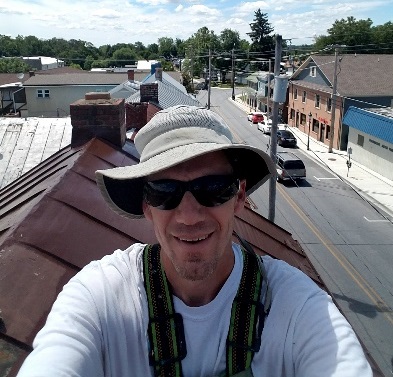
Shawn Zimmerman started painting in the summer of 1991, the year before he graduated high school. Shawn decided to pursue his career in the family business and continued to develop his skills in the trade while also developing the necessary skills to manage the business. Shawn enjoys being outdoors, canoeing, camping, hiking, hunting, fishing and spending time with family.