How Crown Molding and Trim Installation Can Transform Frederick, MD Interiors
June 16, 2026
What Frederick Homeowners Should Know Before Painting a Brick House
June 30, 2026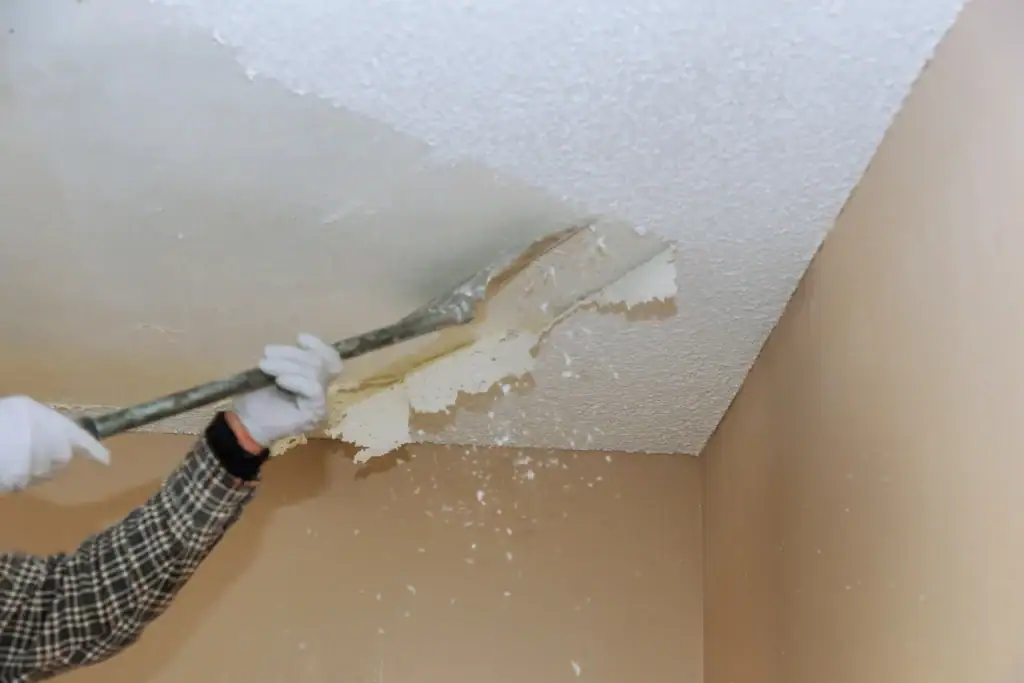
Popcorn ceilings were once a common choice in many homes.
They helped hide ceiling flaws, added texture, and were often used for their quick application. Over time, though, many homeowners began to see them differently. What once felt normal can now make a room look older, darker, and harder to update.
That is why many homeowners start looking into popcorn ceiling removal in Frederick, MD, when planning an interior refresh.
Removing a popcorn ceiling can make a room feel cleaner, brighter, and more current. It can also help prepare the ceiling for a smooth finish and fresh paint. While the project can make a big difference, it is not always as simple as scraping texture from the ceiling.
The process can involve testing, room protection, careful removal, surface repair, sanding, priming, and painting. The cost can vary based on ceiling size, texture condition, ceiling height, the home’s age, and the finish you want afterward.
For homeowners in Frederick, MD, understanding the process in advance can make the project less stressful and easier to plan.
The goal is not only to remove texture. The goal is to leave the ceiling smooth, clean, and ready for a finish that improves the entire room.
Frederick Painting blog content should stay focused on the user’s requested topic, maintain skimmable formatting, avoid unnecessary company names, and include five FAQs at the end.
Why Homeowners Remove Popcorn Ceilings
A popcorn ceiling can make a room feel dated.
Even if the walls are freshly painted and the floors are updated, a textured ceiling can still pull the room back into an older style. It can make the space feel less clean and less finished.
Popcorn texture also collects dust. The uneven surface can trap cobwebs, dirt, and small particles. Cleaning it is difficult because the texture can break apart when touched too firmly.
Lighting is another reason homeowners remove popcorn ceilings. Textured ceilings create shadows. In some rooms, those shadows can make the ceiling look darker or uneven. A smooth ceiling reflects light more cleanly and can make the room feel more open.
Some homeowners also remove popcorn ceilings before selling their home. A smooth, freshly painted ceiling often feels more updated to buyers. It may not change the home’s structure, but it can improve a room’s overall look.
For many homes, removing a popcorn ceiling is part of a larger interior painting project. Once the ceiling is smooth and painted, the whole room can feel newer.
What to Expect Before Removal Begins
Before popcorn ceiling removal begins, the ceiling needs to be carefully reviewed.
The first question is usually the home’s age. Older popcorn ceilings may require testing before removal. This is especially important in homes built decades ago because some older ceiling materials may contain hazardous substances.
If testing is needed, it should be handled before any scraping begins. Disturbing older ceiling texture without knowing what it contains can create safety concerns.
Once the ceiling is cleared for removal, the room needs to be prepared. Popcorn ceiling removal can be messy. Texture, water, dust, and debris can fall during the process. Furniture should be moved out when possible. Floors, walls, fixtures, and other surfaces need to be protected.
Light fixtures, ceiling fans, vents, and trim may also need special care. The goal is to protect the room while creating enough space to work safely.
Good preparation helps keep the project cleaner and reduces the chance of damage to other parts of the room.
The Basic Popcorn Ceiling Removal Process
The process usually begins with room protection.
Floors are covered. Walls may be protected. Furniture is moved or wrapped. Fixtures are covered or removed when needed. This step matters because ceiling texture can spread throughout a room if the area is not prepared correctly.
Next, the ceiling texture is often softened. Depending on the ceiling, this may involve applying moisture carefully to help loosen the popcorn material. The texture is then scraped from the surface using controlled pressure.
This step requires patience. Scraping too aggressively can damage the ceiling underneath. Scraping too lightly can leave behind patches of texture that must be addressed later.
After the popcorn texture is removed, the ceiling surface is inspected. This is where many homeowners are surprised. Popcorn texture often hides seams, patches, dents, old repairs, and uneven areas. Once the texture is gone, those issues become visible.
The ceiling is then repaired, skimmed if needed, sanded, primed, and painted.
The finished result depends heavily on the prep work after removal. Removing the texture is only one part of the project.
Why the Ceiling Needs Repair After Removal
Popcorn texture hides a lot.
That was one reason it became popular. It could cover small flaws in drywall, uneven joints, and imperfections in ceilings. Once the texture is removed, those flaws may become much easier to see.
Common issues include drywall seams, nail pops, small cracks, dents, rough patches, and old repair marks. Some ceilings may also have areas where the texture pulled away the surface layer during removal.
These areas need to be repaired before painting.
If repairs are skipped, the ceiling may look uneven after the new paint is applied. Smooth ceilings show imperfections more than textured ceilings. Light from windows and fixtures can make rough spots stand out even more.
That is why popcorn ceiling removal should include surface preparation. Patching, sanding, and priming all help create a cleaner finish.
A smooth ceiling requires a smooth base.
What Affects Popcorn Ceiling Removal Cost in Frederick, MD?
The cost of popcorn ceiling removal in Frederick, MD, can vary from one home to another.
Ceiling size is one of the biggest factors. A small bedroom will usually cost less than a large living room, open floor plan, or finished basement. More square footage means more labor, more protection, more cleanup, and more finishing work.
Ceiling height also matters. Standard ceilings are usually easier to access. Tall ceilings, vaulted ceilings, stair areas, and rooms with complex layouts can take more time and equipment.
The condition of the ceiling is another major factor. If the popcorn texture comes off easily and the drywall underneath is in good shape, the project may be more straightforward. If the texture has been painted over, removal can be harder because paint can seal the surface, making it more resistant to moisture.
The level of finish also affects cost. Some homeowners want a basic painted ceiling. Others want a very smooth finish, which can require more sanding, skim coating, and detail work.
Testing, repairs, priming, and painting can also affect the final price.
The best way to understand the cost is to have the ceiling inspected before work begins.
Why Painted Popcorn Ceilings Are Harder to Remove
Painted popcorn ceilings are usually more difficult to remove.
When the popcorn texture has never been painted, moisture can often reach it more easily. That can help soften the material before scraping.
When the ceiling has been painted, the paint creates a sealed layer. This layer can prevent moisture from reaching the texture underneath. As a result, the popcorn material may not loosen as easily.
This can slow the removal process. It can also increase the chance of surface damage if the texture resists scraping.
Painted popcorn ceilings may require more careful methods and more time. In some cases, additional surface work may be needed after removal because the ceiling underneath may not release cleanly.
This is one reason homeowners should avoid painting over popcorn ceilings if they plan to remove them later. Painting may seem like a quick refresh, but it can make future removal more difficult.
Key Benefits of Removing a Popcorn Ceiling
| Benefit | Why It Matters |
| More updated appearance | A smooth ceiling can make the entire room feel cleaner and more current. |
| Better light reflection | Smooth ceilings can help rooms feel brighter and less shadowed. |
| Easier cleaning | Flat surfaces are easier to dust and maintain than those with a heavy texture. |
| Cleaner paint finish | Removing old texture gives the ceiling a fresh surface for paint. |
| Improved room appeal | A smooth ceiling can support a more polished interior update. |
Popcorn ceiling removal can change how a room feels without altering the layout.
The ceiling is a large surface. When it looks cleaner, the whole room benefits.
Why Popcorn Ceiling Removal Pairs Well With Interior Painting
Popcorn ceiling removal is often best planned with interior painting.
Once the texture comes down, the ceiling needs to be finished. That usually means repairs, sanding, primer, and paint. If the walls also need painting, it makes sense to plan the room as one project.
This can create a cleaner final result. The ceiling, walls, trim, and overall color scheme can work together rather than be handled separately.
For example, a freshly smoothed and painted ceiling can make old wall paint look more tired. If the walls are painted at the same time, the entire room feels refreshed.
Painting after removal also seals the repaired ceiling surface and creates a consistent finish. Primer helps with adhesion and coverage. Ceiling paint gives the final surface a clean, even look.
A popcorn ceiling removal project is not truly finished until the ceiling is properly painted.
What Finish Should You Choose After Removal?
After popcorn texture is removed, homeowners usually choose between a smooth finish or a lighter texture.
A smooth ceiling is a popular choice because it looks clean and modern. It works well in living rooms, bedrooms, dining rooms, hallways, and home offices. However, a smooth finish requires more careful prep because flaws are easier to see.
A light texture may be a good option if the ceiling has many imperfections or if the homeowner wants a softer look. It can help hide minor surface issues while still looking more updated than a heavy popcorn texture.
The right choice depends on the room, the ceiling condition, and the desired look.
In many cases, homeowners prefer a smooth ceiling because it gives the space the most updated appearance. But it is important to understand that smooth ceilings need proper sanding, priming, and painting to look their best.
The finish should be chosen before the final prep work begins so the project can be planned correctly.
Can You Remove a Popcorn Ceiling Yourself?
Some homeowners consider removing popcorn ceilings themselves.
At first, the project may seem simple. Wet the ceiling, scrape the texture, clean up the mess, and paint. In reality, the work can become difficult quickly.
The mess is one issue. Wet popcorn texture can fall onto floors, walls, fixtures, and furniture. Without proper protection, cleanup can take a long time.
Ceiling damage is another concern. Scraping too hard can gouge the drywall. Leaving behind texture can create an uneven surface. Poor sanding can show through the final paint.
Safety is also important. Older ceiling texture may need testing before removal. Dust control, ladder safety, and overhead work all add challenges.
DIY removal can also take much longer than expected. Working overhead is tiring, and repairs after removal can require more skill than the scraping itself.
For many homeowners, hiring a professional is worth it because it reduces stress, protects the room, and helps create a better finish.
Why Professional Removal Often Saves Time
Professional popcorn ceiling removal can save time because the process is carried out in the correct order.
The room is protected before work begins. The ceiling is assessed. The texture is removed using methods suited to the surface. Repairs are made. The ceiling is sanded, primed, and painted.
Each step supports the next one.
When homeowners try to handle removal without experience, they may spend extra time fixing mistakes. Damaged drywall, rough sanding, missed texture, and uneven paint can all add more work.
Professional help also makes a difference in the final look. A ceiling is a large, visible surface. Even small flaws can stand out when light hits them.
A cleaner process leads to a cleaner finish.
What Rooms Benefit Most From Popcorn Ceiling Removal?
Almost any room can benefit from removing a popcorn ceiling, but some spaces show the improvement more clearly.
Living rooms often benefit the most because they are larger and more visible. A smooth ceiling can make the room feel more open and updated.
Dining rooms can also look better with a smooth ceiling, especially when paired with fresh wall color and trim paint.
Bedrooms benefit from the cleaner, calmer look of a flat ceiling. Removing popcorn texture can make the space feel less dated.
Hallways and entry areas are also good candidates. These spaces connect the home, so updated ceilings can improve the overall flow.
Finished basements may benefit as well. Removing ceiling texture can help the space feel less like an afterthought and more like a finished living area.
The biggest improvement often happens in rooms with strong natural light. Sunlight can highlight popcorn texture, shadows, and uneven ceiling surfaces. A smooth ceiling can create a cleaner look.
How to Prepare Your Home for Popcorn Ceiling Removal
Before the project begins, homeowners can take a few steps to prepare.
Furniture should be removed from the room when possible. If large pieces cannot be moved, they should be covered and placed away from the work area.
Wall décor, curtains, and small items should be taken down. This helps protect belongings and provides more space in the work area.
Closets or nearby storage areas may need attention if they are connected to the room. Dust and debris can travel if spaces are not protected.
Homeowners should also plan for limited access to the room during the project. The room may not be usable while removal, repair, sanding, priming, and painting are underway.
Good preparation helps the project move more smoothly and protects the home.
Mistakes to Avoid With Popcorn Ceiling Removal
One major mistake is starting without checking whether testing is needed.
Older ceilings should be handled carefully. Scraping unknown material without proper review can create safety risks.
Another mistake is underestimating the mess. Popcorn ceiling removal creates debris, moisture, and dust. Without proper protection, the cleanup can spread beyond the room.
Skipping repairs is also a common mistake. After the texture comes down, the ceiling may need patching and sanding. Painting over flaws will not hide them well on a smooth ceiling.
Another issue is rushing the paint step. Primer and paint need to be applied to a clean, properly prepared surface. If residue, dust, or rough patches remain, the finish may look uneven.
Homeowners should also avoid assuming every ceiling will be easy. Painted texture, old repairs, tall ceilings, and uneven drywall can all make the project more difficult.
Why Ceiling Prep Matters So Much
Ceiling prep is the difference between a removed popcorn ceiling and a finished ceiling.
After removal, the surface may look rough. There may be scratches, exposed seams, dents, or uneven patches. These issues need to be corrected before primer and paint are applied.
Sanding is especially important because ceilings catch light in wide areas. A rough spot may be easy to miss during prep, but obvious after painting.
Primer also matters. It helps seal the surface and supports even paint coverage. Without primer, repaired areas may absorb paint differently, creating uneven spots.
A high-quality finish depends on the steps that happen between scraping and painting.
That is why popcorn ceiling removal should not be treated as only a demolition task. It is a surface preparation and finishing project.
How Popcorn Ceiling Removal Can Change the Room
Removing popcorn texture can make a room feel larger, even though the dimensions do not change.
A smooth ceiling creates a cleaner visual plane. It reduces shadows and makes the room feel less busy. This can make the walls, trim, flooring, lighting, and furniture stand out more clearly.
It can also make the ceiling feel higher. Heavy texture can draw attention downward. A smooth ceiling often feels lighter and less distracting.
For homeowners planning a larger interior update, removing a popcorn ceiling can be a strong first step. It creates a cleaner base for new paint colors, updated trim, and improved lighting.
The change may seem simple, but the result can be noticeable right away.
How to Budget for Popcorn Ceiling Removal
When budgeting for popcorn ceiling removal, it helps to think about the full project.
The cost is not only for scraping the texture. A complete project may include testing, room protection, removal, cleanup, drywall repair, sanding, priming, and painting.
If the ceiling has been painted, has multiple repairs, or needs a smoother finish, the cost may be higher. Tall ceilings and large rooms can also increase the price.
It is also smart to budget for wall painting if the room already needs an update. Once the ceiling is smooth and fresh, older wall paint may stand out more.
A clear estimate should explain what is included. Homeowners should know whether the price covers only removal or includes the finishing steps needed for a painted ceiling.
The best value usually comes from planning for the final result, not just the removal step.
Why Frederick Painting Is a Smart Choice for Interior Ceiling Updates
Popcorn ceiling removal requires more than scraping.
It requires preparation, care, repair, and a high-quality paint finish. Since ceilings are so visible, the details matter. Rough patches, uneven sanding, missed texture, and poor paint coverage can all affect the final look.
Frederick Painting helps homeowners approach ceiling updates as part of a complete interior improvement. That means thinking about the ceiling surface, surrounding walls, trim, color, and final finish.
For homeowners in Frederick, MD, this can be especially helpful when updating older rooms, preparing a home for sale, or refreshing a space that feels dated.
A smoother ceiling can make the entire room feel cleaner and more current.
Popcorn Ceiling Removal in Frederick, MD
Popcorn ceiling removal can be one of the most effective ways to update a room.
It removes dated texture, improves the way light moves across the ceiling, and creates a cleaner surface for paint. It can also make the room feel brighter, smoother, and more finished.
The cost depends on several factors, including ceiling size, height, texture condition, whether the ceiling has been painted, repair needs, and the finish selected after removal.
The process can be messy and detailed, but the result is often worth it.
For homeowners researching popcorn ceiling removal in Frederick, MD, the most important thing to remember is that removal is only part of the job. The best results come from careful prep, proper repairs, primer, and a smooth paint finish.
When handled properly, an old textured ceiling can become one of the cleanest parts of the room.
FAQs
How much does popcorn ceiling removal cost in Frederick, MD?
Popcorn ceiling removal costs vary based on the size of the room, ceiling height, condition of the texture, whether the ceiling has been painted, and the amount of repair and finishing work needed afterward.
Can I paint over a popcorn ceiling instead of removing it?
You can paint over a popcorn ceiling in some cases, but it will not remove the texture or create a smooth look. Painting can also make future removal harder by sealing the texture.
How long does popcorn ceiling removal take?
The timeline depends on the size of the room, the condition of the ceiling, and the amount of repair, sanding, priming, and painting needed. Larger rooms or painted textures can take longer.
Is popcorn ceiling removal messy?
Yes, removing a popcorn ceiling can be messy. Texture, dust, moisture, and debris can fall during the process. Proper room protection and cleanup are important parts of the project.
Do ceilings need to be painted after popcorn texture is removed?
Yes, ceilings usually need to be repaired, sanded, primed, and painted after popcorn texture is removed. This gives the ceiling a cleaner and more finished appearance.

Shawn Zimmerman started painting in the summer of 1991, the year before he graduated high school. Shawn decided to pursue his career in the family business and continued to develop his skills in the trade while also developing the necessary skills to manage the business. Shawn enjoys being outdoors, canoeing, camping, hiking, hunting, fishing and spending time with family.