
Our Unwavering Commitment to Quality and Superior Customer Service
February 25, 2025
Special Finishes for Commercial Spaces – Making a Bold Statement
March 10, 2025
Just take a moment to consider the condition of your garage floor; it’s often exposed to heavy machinery and harsh chemicals, making painting a tough challenge. You want your investment to last, and preventing peeling and cracking is imperative for a durable finish. In this guide, you’ll learn the steps to prepare your surface, choose the right materials, and apply techniques that will extend the life of your garage floor paint, keeping it looking fresh and intact for years to come.
Key Takeaways:
- Proper surface preparation is crucial; clean the garage floor thoroughly and repair any cracks or damage before painting.
- Select high-quality epoxy or polyurethane paints specifically designed for garage floors to ensure durability and adhesion.
- Apply the paint under optimal conditions, avoiding extreme temperatures and humidity, to reduce the risk of peeling and cracking over time.
Understanding the Factors
The factors that contribute to peeling and cracking in garage floor paint can significantly affect your results. It’s vital to consider the following:
- Moisture
- Temperature
- Surface conditions
- Type of paint
- Application methods
Any of these elements, if overlooked, could lead to unsightly and costly damage to your garage floor.
Choosing the Right Paint
You should select a paint designed specifically for garage floors to ensure durability and resistance to wear. Look for epoxy paints or polyurethane coatings that strongly protect against chemicals, stains, and moisture.
Surface Preparation Essentials
Any successful garage floor painting project hinges on proper surface preparation. This involves cleaning, degreasing, and repairing cracks to create a solid foundation for your paint.
For instance, thoroughly cleaning your floor to remove dirt, oil, and grease, which can lead to adhesion issues. Use a concrete cleaner and a scrub brush; rinse well and allow it to dry completely. If you encounter cracks, fill them with an appropriate concrete repair compound to prevent moisture infiltration. Finally, consider using a grinder or etching product to roughen the surface, which improves paint adhesion. Taking these steps greatly enhances the longevity of your garage floor paint.
How-to: Prepare Your Garage Floor
To ensure successful painting, you must start by thoroughly preparing your garage floor. Remove any items, tools, or furniture from the area to create a clear workspace. Next, perform a detailed inspection for dirt, grease, and any damage present. A clean surface is imperative for the paint to adhere properly and achieve a lasting finish.
Cleaning Techniques
With the area cleared, utilize a power washer or a stiff broom alongside a suitable cleaning solution to eliminate oil stains, grease, and debris. Make sure to scrub the entire surface and rinse extensively to remove any soap residue. Adequately drying your floor after cleaning is vital, as moisture can lead to paint failure.
Repairing Cracks and Damage
On inspection, you may discover cracks or chips that need addressing before painting. These issues can compromise the finish and lead to peeling over time.
Understanding how to properly repair cracks and damage on your garage floor is imperative for a smooth, long-lasting outcome. Fill cracks with a high-quality epoxy filler, ensuring they are filled and level with the surrounding surface. For larger holes, consider using a concrete patching compound. Once the repairs are made, allow sufficient curing time as stated by the product instructions, then lightly sand the area to achieve a uniform texture. This thorough preparation will enhance the bond of your paint and minimize the risk of future peeling and cracking.
Tips for Optimal Application
Keep in mind the following tips for effective garage floor painting to prevent peeling and cracking:
- Ensure the surface is clean and free from contaminants.
- Use a quality primer to enhance adherence.
- Apply thin, even coats for the best results.
- Respect the manufacturer’s drying times.
- Use a roller with a nap appropriate for your floor type.
Knowing these tips will set you up for a successful project.
Best Tools for the Job
Some vital tools you’ll need for painting your garage floor include a quality roller, a brush for edges, a paint tray, and a sturdy mop for cleaning. Investing in the right tools can significantly improve your results and save time.
Weather Considerations
Some weather conditions can impact your painting project. Ideally, choose a day when temperatures are between 50°F and 90°F with low humidity. This ensures proper drying and adhesion.
It’s important to avoid painting during extreme weather conditions, as high humidity can lead to longer drying times and an increased risk of peeling later on. Similarly, low temperatures can cause the paint to harden too quickly, resulting in cracking. Planning your project around optimal weather conditions will greatly increase the longevity and durability of your garage floor finish.
How-to: Applying the Paint
Despite the challenges of garage floor painting, applying the right techniques will yield stunning and durable results. Ensure your surface is clean, dry, and primed to maximize adhesion. Invest time in each step, and you will achieve a beautiful finish that enhances the look and functionality of your garage space.
Step-by-Step Guide
While it’s vital to follow a systematic approach, here’s a straightforward guide broken down into easy steps:
| Step | Action |
| 1 | Prepare the surface by cleaning and patching any cracks. |
| 2 | Apply a primer suitable for concrete surfaces. |
| 3 | Choose high-quality epoxy or acrylic paint. |
| 4 | Use a roller for the main area and a brush for the edges. |
| 5 | Allow the paint to dry thoroughly before adding a second coat. |
Recommended Techniques
Guide your painting process by incorporating effective techniques that ensure optimal results. For textured surfaces, utilize a roller with a long nap, which helps to cover more ground efficiently. Apply multiple thin coats instead of one thick layer to prevent peeling and ensure even consistency. Consider using a paint additive designed to enhance grip for added safety.
With these extra tips, you can further enhance your garage floor paint application. For instance, applying multiple thin layers ensures better adhesion and reduces the likelihood of unsightly cracking. Moreover, using high-quality paint specifically designed for garages will help resist oil stains and scuffs. Finally, allowing ample drying time between coats is vital; rushing this process can lead to poor adhesion and premature peeling. You will enjoy a stylish and long-lasting garage floor by following these recommendations.
Tips for Curing and Maintenance
After you’ve completed your garage floor painting, ensuring proper curing and maintenance is vital to prevent peeling and cracking. Follow these tips:
- Avoid heavy traffic for at least 24-48 hours.
- Maintain a stable temperature during the curing period.
- Clean your floor regularly to avoid debris accumulation.
- Use mats or rugs to protect high-traffic areas.
- Check for any signs of wear and address them promptly.
Thou will find that consistent effort leads to a longer-lasting finish.
Curing Time Importance
When you complete your garage floor painting, allow enough time for the paint to cure fully. A rushed curing process can lead to poor adhesion, resulting in unsightly peeling or cracking. Be sure to consider the manufacturer’s recommendations for ideal curing times, as they vary depending on factors like temperature and humidity.
Regular Maintenance Practices
Regular maintenance of your garage floor enhances its durability and appearance. Create a schedule to inspect the floor for damage and clean it routinely to prevent grit and grime buildup.
To effectively maintain your painted garage floor, you should frequently sweep or vacuum to remove debris and mop with a gentle cleanser to eliminate stains. Use a soft-bristle broom to avoid scratching the surface, and check for any signs of wear, such as chips or discoloration. If you notice damage, act swiftly to apply touch-ups to keep your floor looking new. Following these simple practices ensures that your floor remains safe, visually appealing, and free from costly repairs.
Common Mistakes to Avoid
Not taking the time to properly prepare your garage floor can lead to peeling and cracking. Skipping important steps or rushing through the process can compromise the integrity of your paint job and result in costly repairs later. Ensure you are mindful of each phase of preparation and application to achieve a durable finish.
Errors in Preparation
One common error is neglecting to clean and repair the surface adequately. If the floor is not free from dirt, oil, and cracks, the paint will struggle to adhere properly, leading to unsightly failures.
Application Pitfalls
For successful garage floor painting, avoid mistakes during the application phase that can lead to peeling and cracking. Proper technique and tools are crucial for a strong bond and long-lasting finish.
Applying the paint in ideal temperature conditions is vital, as extreme heat or cold can affect drying time and adhesion. Use a high-quality roller or brush to ensure an even coat, and apply multiple thin layers instead of one thick coat, allowing each to dry fully in between. Additionally, avoid walking on or driving over the surface until it has fully cured, as premature contact can lead to costly damage or complete failure of the finish.
Final Words
The care you take in preparing your garage floor and selecting the right paint can significantly influence the longevity of your finish. Proper surface cleaning and choosing high-quality materials suited to your environment minimize the risk of peeling and cracking. Additionally, applying sealants and conducting regular maintenance will help protect your investment. With these practices in mind, you can enjoy a durable and visually appealing garage floor for years to come.
Q: What are the common causes of peeling and cracking in garage floor paint?
A: Peeling and cracking in garage floor paint can result from several factors. One of the main causes is improper surface preparation before painting. If the concrete is not cleaned thoroughly or contaminants like oil or grease are left on the surface, the paint may not adhere properly. Additionally, environmental conditions such as high humidity or extreme temperature fluctuations can impact the paint’s ability to cure and bond effectively. Finally, using low-quality paint or not applying the recommended number of coats can also contribute to these issues.
Q: How can I properly prepare my garage floor before painting to ensure better adhesion?
A: To properly prepare your garage floor, start with a thorough cleaning. Use a degreaser to remove any oil stains or contaminants, and then wash the surface with a pressure washer or a stiff broom and water. After cleaning, allow the floor to dry completely. Next, consider etching the concrete with a concrete etcher or a solution of muriatic acid mixed with water, as this will help to create a profile for the paint to grip. Finally, make sure to repair any cracks or holes in the concrete before applying paint to ensure a smooth surface.
Q: What steps can I take after painting to maintain my garage floor and prevent future damage?
A: To maintain your garage floor and help prevent peeling and cracking, following a regular cleaning routine is crucial. Use a mild detergent and avoid harsh chemicals that could damage the paint. Additionally, be careful when moving heavy items as they could chip or scratch the surface. If you notice any wear or damage, address it immediately by touching the paint or removing a protective clear coat. Furthermore, consider using mats or rugs in high-traffic areas to minimize wear and tear. Use a dehumidifier or fan in humid conditions to assist with drying and curing processes.
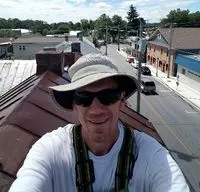
Shawn Zimmerman started painting in the summer of 1991, the year before he graduated high school. Shawn decided to pursue his career in the family business and continued to develop his skills in the trade while also developing the necessary skills to manage the business. Shawn enjoys being outdoors, canoeing, camping, hiking, hunting, fishing and spending time with family.