The Best Tips for Planning a Large Painting Project
June 19, 2025
Why Summer is the Best Time to Paint the Exterior of Your Home
July 2, 2025
Most homeowners understand that a fresh coat of paint can significantly impact the overall atmosphere of their living space. Transforming your environment not only enhances aesthetics but can also improve your mood and well-being. As you launch on this journey, it’s important to recognize that choosing the right colors can influence how you feel in your home. With proper preparation and knowledge of techniques, you can make your painting project smooth and successful, setting the stage for new beginnings in your life.
Key Takeaways:
- Fresh paint can dramatically enhance the ambiance of a new home, creating a welcoming environment for residents and guests alike.
- Choosing the right color palette is vital, as it can influence mood and reflect personal style, making the space feel more individualized.
- Hiring professional painters may ensure high-quality results and save time, allowing homeowners to focus on settling into their new space.
The Transformative Power of Color Psychology
How Colors Affect Mood and Perception
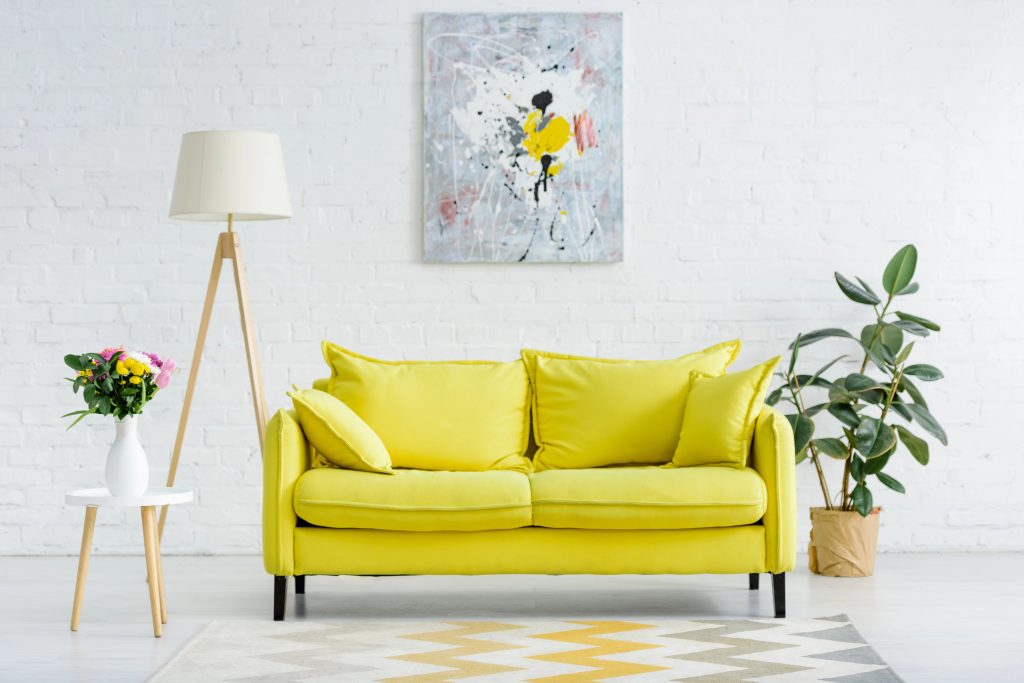
Colors have a profound impact on your emotions and how you perceive your environment. For instance, bright colors like yellow and orange can evoke feelings of happiness and energy, while cooler shades, such as blue and green, tend to induce calmness and tranquility. Studies show that colors can even affect physiological responses; for example, red can stimulate the appetite, making it a popular choice for kitchens and dining areas. Understanding these effects enables you to create spaces that resonate with your desired moods and atmospheres.
Selecting Colors for Different Rooms and Purposes
The choice of color for specific rooms can significantly influence functionality and ambiance. Each space in your home serves a different purpose, which should guide your color selection. For example, use soft neutrals in bedrooms to promote relaxation, while vibrant hues in playrooms can encourage creativity. Incorporating colors that align with the intended emotional experience of each space not only enhances the aesthetic but also contributes to your overall well-being.
In living areas, warm tones like earthy browns and warm reds can create inviting environments perfect for entertaining. In contrast, cool whites and soft grays can open up smaller spaces, making them feel airy and spacious. Even incorporate accents, such as a bold accent wall, to add personality, while maintaining a cohesive palette throughout your home. Think of colors as tools that can elevate your home’s atmosphere and support your lifestyle, enabling you to curate spaces that truly reflect your personal journey.
Practical Steps for Preparing Your Home for a Fresh Coat
Decluttering and Preparing Surfaces for Painting
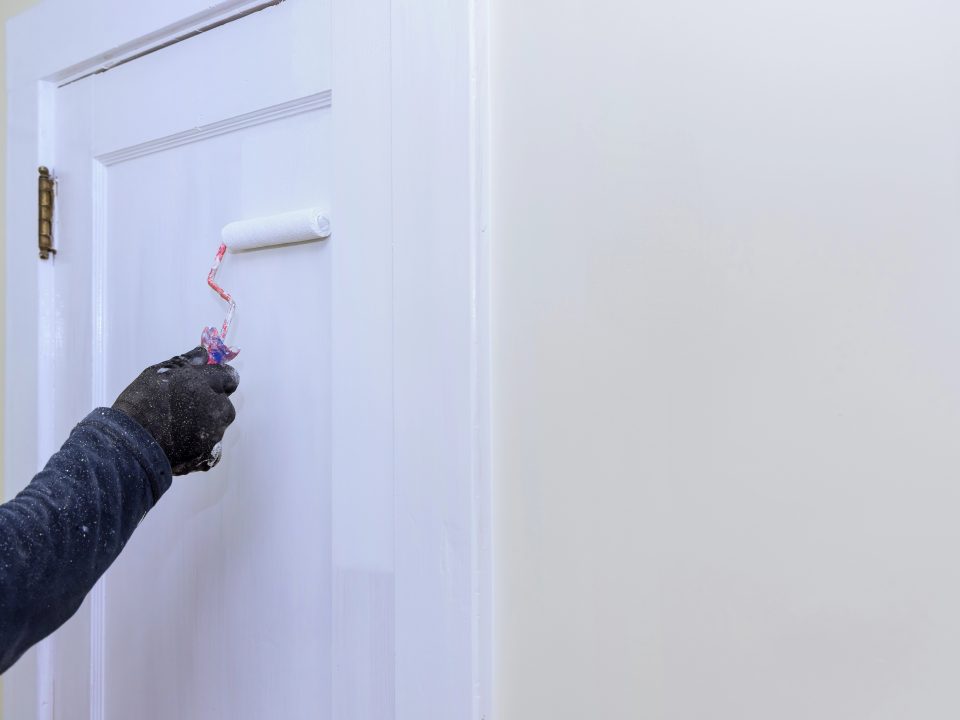
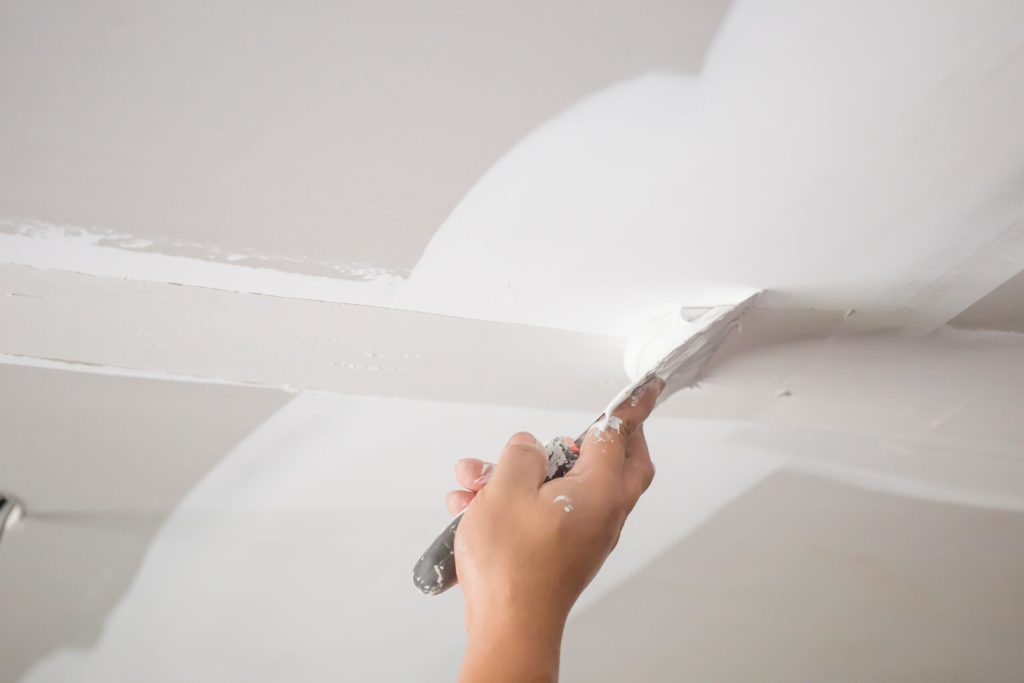
Clearing your space is the first step toward a successful painting project. Start by removing furniture, wall hangings, and other items from the area you plan to paint. This not only protects your belongings but also gives you a clearer canvas to work with. After you’ve decluttered, inspect the surfaces for any imperfections. Filling holes and sanding rough spots ensures that you achieve a smooth finish, enhancing the overall appearance of your newly painted walls.
Choosing the Right Tools and Materials for the Job
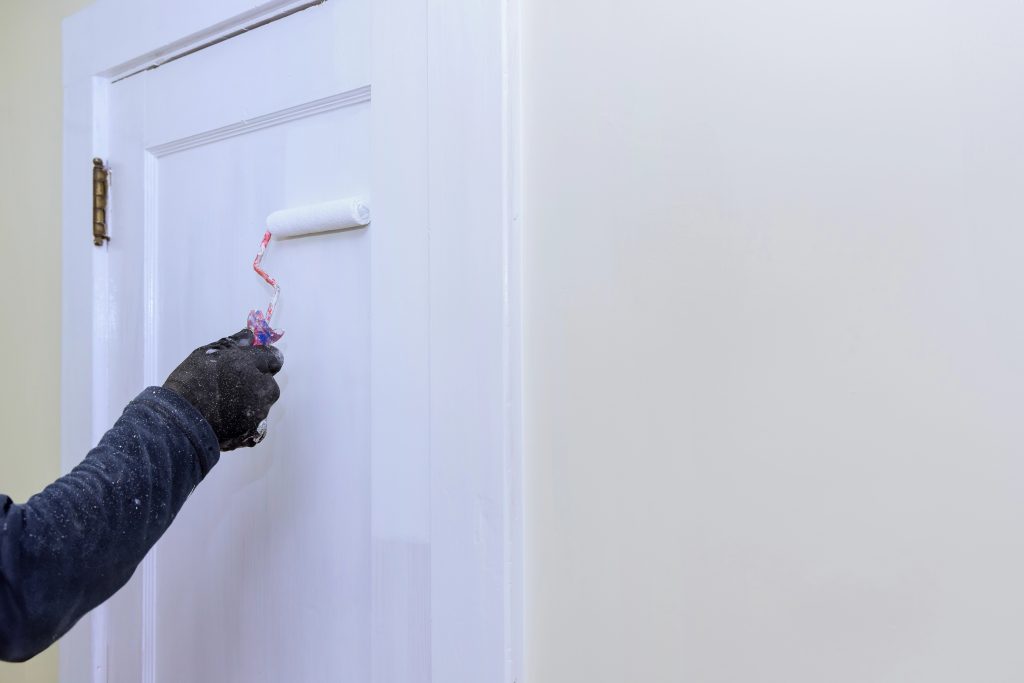
Selecting the right tools can make all the difference in achieving a professional-looking outcome. Opt for high-quality brushes and rollers that suit the type of paint you’re using, as they will help to minimize streaks and provide a more even application. Investing in painter’s tape will assist you in achieving crisp lines, especially in corners and around trim. Keep in mind the type of finish you prefer, whether it’s matte, eggshell, or satin, as this will influence your choice of paint.
Before starting, consider the environment you’re painting in. For example, if you’re working in a high-moisture area like a bathroom, look for paint specifically formulated to resist mold and mildew. Additional tools, such as drop cloths to protect floors and ladders for hard-to-reach spots, are also crucial. By gathering everything you need ahead of time, you’ll streamline the painting process and minimize unexpected interruptions, ultimately leading to a more enjoyable experience.
DIY vs. Professional: Making the Right Choice
Cost-Benefit Analysis of Hiring Professionals
Choosing to hire professionals for your residential painting project often brings significant advantages. While the initial expense might seem daunting, professional painters come equipped with experience, tools, and the ability to complete the job in a fraction of the time it would take an amateur. By investing in expertise, you can avoid common pitfalls, such as surface damage or uneven application, which could ultimately save you money and time in the long run.
Essential Skills for Successful DIY Painting
Embarking on a DIY painting adventure requires a unique set of skills that can determine the outcome of your project. Knowledge of paint types, the ability to prep surfaces adequately, and the skill to use tools like brushes and rollers proficiently are imperative. Additionally, estimating quantities for a smooth finish and learning about color theory can elevate your work beyond basic applications.
Experience plays a vital role in DIY success. If you’ve painted before, you likely already understand how different surfaces can absorb paint, which affects coverage and texture. Familiarizing yourself with preparation techniques, like caulking and priming, can make a dramatic difference in the durability and appearance of your final product. It’s also beneficial to practice proper techniques for both application and cleanup, as these are often pivotal for achieving desired results without unnecessary hassle.
The Role of Lighting in Paint Selection and Application
How Natural vs. Artificial Light Impacts Color Perception
Natural light tends to reveal the true essence of paint colors, shifting in tone throughout the day with changing angles and intensity. In contrast, artificial light can alter your perception of a color, making it appear warmer or cooler depending on the type of bulbs used. For instance, incandescent lights cast a warm glow, which may enhance reds and yellows, while fluorescent lighting can emphasize grays and blues, often making colors appear flat or muted.
Techniques for Maximizing Light with Paint Choices
Selecting the right paint colors can significantly enhance a room’s natural brightness. Light colors, particularly whites, pale blues, and soft pastels, reflect more light, creating an illusion of a more open and airy space. Complementing these shades with glossy finishes can further amplify this effect, making surfaces bounce light around the room. For darker spaces, consider painting the ceiling a lighter shade than the walls to visually lift the room and draw the eye upward.
In addition to selecting lighter hues, choose paint finishes wisely. A gloss or semi-gloss finish can work wonders in reflecting light compared to flat mattes. For instance, using a satin finish in a north-facing room, which typically receives less natural light, can help create a more luminous environment. Moreover, you can strategically place mirrors or metallic accents to enhance this reflective quality, ultimately transforming a dim space into a bright, inviting atmosphere.
The Environmental Impact of Paint Choices
Exploring Eco-Friendly Paint Options
Choosing eco-friendly paint options can significantly reduce your home’s environmental footprint. Look for water-based paints, which emit fewer volatile organic compounds (VOCs) and are safer for indoor air quality. Organic paints made from natural ingredients do not contain harmful chemicals and often come in a variety of hues. Brands like Benjamin Moore’s Natura and Aura lines offer excellent coverage while adhering to environmentally responsible practices.
Assessing Brands for Sustainability and Safety
Evaluating different paint brands based on sustainability and safety standards is vital for informed decision-making. Look for certifications such as Greenguard Gold, which indicates low chemical emissions, or EcoLabel, ensuring eco-friendly production processes. Brands that prioritize eco-conscious practices often provide transparency regarding their ingredients, helping you choose paints that align with your values.
Assessing brands is not just about avoiding harmful chemicals; it also involves supporting companies committed to sustainability. Research brand initiatives like recycled materials usage or energy-efficient production methods. For instance, Earth Pigments uses naturally sourced colorants, minimizing environmental impact while maintaining safety. Engage with local suppliers who can offer insight into the most responsible choices and potentially introduce you to lesser-known, but equally sustainable, options as you begin on your painting project.
Long-lasting Finishes: Tips for Maintenance and Care
Ensuring your paint job stands the test of time requires ongoing attention and care. Here are some vital tips for keeping your surfaces in top condition:
- Regularly inspect walls for signs of wear and tear.
- Clean surfaces with a damp cloth; avoid harsh chemicals.
- Use touch-up paints that match your original shades for repairs.
- Keep walls dry to prevent moisture damage.
- Consider reapplying sealants or finishes as needed.
This diligent care will help maintain the integrity and beauty of your painted surfaces for years to come.
Strategies for Keeping Painted Surfaces Looking Fresh
Keeps your painted walls vibrant by consistently dusting and cleaning them. A microfiber cloth is ideal for removing dust without harming the surface. For deeper cleans, a mild soap solution can be used sparingly. Avoid scrubbing too vigorously, as this might damage the paint. Taking these steps regularly will preserve the color and texture, keeping your home looking welcoming and fresh.
When to Touch Up and Repaint: Signs to Watch For
Watch your wall finishes carefully for signs that indicate a touch-up or repainting is needed. Look for chips, cracks, or areas that appear faded compared to the rest of the wall. Additionally, stains from water damage, grease, or food can signal the need for immediate attention. Assessing these factors promptly will prolong the life of your paint job and maintain the beauty of your home’s interior.
When considering touch-ups, pay particular attention to high-traffic areas, corners, and surfaces where furniture might rub against the walls. Small blemishes can become more prominent over time, and a well-timed touch-up can prevent the need for a full repaint. Keep an extra can of the original paint on hand for these emergencies, as colors can change over time, and specifics may fade. Maintaining your painted surfaces not only enhances their appearance but also helps preserve your home’s overall value.
Painting as a Catalyst for Life Changes
Personal Stories: Transformations Through Color
Countless individuals have experienced profound shifts in their lives simply by changing the color of their surroundings. One homeowner, who transitioned from a chaotic work life to retirement, found solace in calming shades of blue, transforming their home into a peaceful retreat that reflected their new lifestyle. Meanwhile, a family undergoing a significant life change embraced vibrant yellows and greens in their playroom, fostering an atmosphere full of joy and creativity for their children. These personal stories highlight how paint can symbolize a fresh start, aligning your living space with your goals and aspirations.
The Emotional and Psychological Benefits of a Fresh Space
A fresh coat of paint can make a significant difference in how you feel within your home. Research indicates that color can stimulate emotional responses, influencing your mood and mental well-being. Choosing specific hues can enhance feelings of comfort, energy, or tranquility, tailored to your personal needs. A brighter environment can promote positivity, while a soothing palette can aid relaxation after a long day.
Studies reveal that environments significantly impact mental health; for example, bright colors have been linked to increased happiness and productivity. *One survey found that 68% of people reported feeling more motivated in spaces with vibrant hues.* In contrast, neutral or darker colors can create a sense of calm, offering a refuge from the outside world. By updating your space with a fresh coat of paint, you actively contribute to your emotional well-being, cultivating a home that mirrors your current mindset and helps you embrace change.
The Future of Residential Painting: Trends to Watch
Innovative Techniques and Materials on the Horizon
As you look towards the future of residential painting, keep an eye out for emerging techniques and materials that promise to enhance your home’s aesthetic and durability. Eco-friendly options, such as low-VOC paints and plant-based products, are expected to gain traction, providing healthier living environments. Additionally, advanced application techniques, including spray technologies and precision rollers, may significantly reduce labor time and costs while improving finish quality.
The Rise of Smart Paint Technologies
Smart paint technology is paving the way for a revolutionary approach to interior and exterior finishes. Using conductive molecules embedded in the paint, these innovative coatings can adapt to environmental conditions, offering features like temperature control and even the ability to change color based on your mood. You may find yourself enjoying a calmer ambiance on a warm day or brighter tones during overcast weather.
The integration of smart technologies does not end there. Imagine paints that can actively repel dirt and mildew or even react to UV exposure to prolong the life of your surfaces. With the rapid advancements in nanotechnology, smart paints are becoming more accessible for residential use. This leap forward means you can invest in coatings that not only look good but also provide functional benefits, ultimately improving the longevity and upkeep of your investment. The potential applications expand continuously, promising a future where paint is not just purely aesthetic but equally pragmatic.
Final Words
On the whole, investing in residential painting can be a transformative step toward new beginnings in your home. By selecting the right colors and finishes, you not only enhance your living space but also create an atmosphere that resonates with your lifestyle and aspirations. Whether you’re rejuvenating a tired room or preparing to sell, your choice of paint can significantly impact how you feel in your environment. Embrace the opportunity to express yourself through color, and enjoy the fresh perspective that a new paint job can bring to your everyday life.
FAQ
Q: What services are included in the Residential Painting for New Beginnings package?
A: The Residential Painting for New Beginnings package includes a comprehensive range of services tailored to enhance the aesthetic appeal of your home. This can include interior and exterior painting, surface preparation such as sanding and priming, detailing work for trim and moldings, and the option for specialty finishes. We also offer color consultations to help you select the shades that best reflect your style and preferences.
Q: How do you ensure the quality of your painting work?
A: We prioritize quality by employing experienced painters who are trained in best practices and using high-quality materials. Our team follows a detailed preparation process to ensure a smooth and long-lasting finish. Additionally, we conduct thorough inspections during and after the painting process to address any potential issues. Customer satisfaction is our goal, and we welcome feedback to ensure our work meets your expectations.
Q: What is the estimated timeline for completing a residential painting project?
A: The timeline for completing a residential painting project depends on various factors, including the size of the space being painted, the condition of the surfaces, and the complexity of the job. Generally, smaller projects may take a few days, while larger or more detailed projects can take one to two weeks. We provide a detailed schedule before starting any work, ensuring you are informed every step of the way.

Shawn Zimmerman started painting in the summer of 1991, the year before he graduated high school. Shawn decided to pursue his career in the family business and continued to develop his skills in the trade while also developing the necessary skills to manage the business. Shawn enjoys being outdoors, canoeing, camping, hiking, hunting, fishing and spending time with family.