Better Protection for Busy Food Service Floors in Frederick MD
May 25, 2026
How Crown Molding and Trim Installation Can Transform Frederick, MD Interiors
June 16, 2026
Wallpaper can make a room feel dated, dark, or harder to update.
For many homeowners, the first thought is simple: paint over it and move on.
That may seem faster at first, but it can create bigger problems once the paint dries. Seams may show. Corners may lift. Old adhesive can react with moisture. Texture can look uneven under fresh paint. What should have been a clean update can quickly turn into a project that needs to be redone.
That is why wallpaper removal in Frederick, MD, is such an important step before painting. It gives the new paint a smoother surface, helps the finish last longer, and reduces the risk of peeling or bubbling later.
For homeowners in Frederick, MD, wallpaper is often found in older dining rooms, bedrooms, powder rooms, kitchens, hallways, and finished basements. Some wallpaper comes off easily. Other wallpaper has been painted over, layered, glued heavily, or applied to walls that were never properly primed.
The cost of removal depends on those details.
While wallpaper removal does add another step before painting, it is usually worth it. When handled properly, it protects the walls, improves the final look, and helps your paint investment go further.
Why Painting Over Wallpaper Usually Causes Problems
Painting over wallpaper may look fine for a short time.
The issue is what happens underneath the surface.
Paint adds moisture to the wall. That moisture can soften the wallpaper adhesive. Once the glue begins to loosen, the wallpaper may start to bubble, wrinkle, or lift away from the wall. Even if the paper stays in place, the seams may still show through the paint.
This is especially noticeable in rooms with strong natural light. Sunlight can reveal raised edges, uneven patches, and texture differences that were not obvious before painting.
Wallpaper also hides wall damage. Small dents, old nail holes, torn drywall paper, cracks, and adhesive buildup can sit underneath the paper for years. If the wallpaper is not removed, those problems remain trapped below the new paint.
That is why Frederick Painting recommends treating wallpaper removal as part of the painting preparation process rather than a separate afterthought.
A smooth paint job starts before the first coat goes on.
What Wallpaper Removal Typically Costs in Frederick, MD
The cost of wallpaper removal in Frederick, M, D can vary based on the room, the wall condition, and how difficult the wallpaper is to remove.
Many wallpaper removal projects are priced by the square foot or by the room. A small powder room may cost less than a large dining room with tall walls. A single layer of loose wallpaper may take less time than multiple layers of older paper with stubborn adhesive.
In many cases, homeowners can expect wallpaper removal to fall within a broad range based on labor, wall preparation, and repairs. Simple removal may be on the lower end. More difficult projects involving painted wallpaper, heavy glue, damaged drywall, or multiple layers may cost more.
The final price is usually affected by:
The size of the room
The height of the walls
The number of wallpaper layers
The type of wallpaper
Whether the wallpaper was painted over
How much adhesive remains after removal
Whether wall repairs are needed before painting
The condition of the drywall or plaster
The amount of sanding and priming required
A professional estimate is the best way to understand the real cost of your home. Two rooms that look similar can require very different levels of work once removal begins.
Why Some Wallpaper Is Harder to Remove
Not all wallpaper comes off the same way.
Some wallpaper peels away in large sheets. Other wallpaper tears into tiny pieces. Some leaves leave behind thick adhesive. Some pull the wall surface with it. The difficulty depends on how the wallpaper was installed, what type of wall is underneath, and how long the wallpaper has been there.
Older wallpaper often bonds more strongly to the wall. If the wall was not primed before installation, the adhesive may soak into the drywall paper. That can make removal slower and riskier.
Vinyl wallpaper can also be harder to remove because the outer layer may resist moisture. In those cases, the surface often needs to be scored carefully so removal solutions or steam can reach the adhesive beneath.
Painted wallpaper is another challenge. Once the wallpaper has been painted, the paint can seal the surface. That makes it harder for moisture to reach the glue. It can also make seams thicker and more noticeable.
This is one reason homeowners should avoid painting over wallpaper as a shortcut. It may save time now, but it can make future removal more difficult and more expensive.
What Happens During Professional Wallpaper Removal
Professional wallpaper removal is more than pulling paper from the wall.
The process usually starts with protecting the room. Floors, trim, outlets, fixtures, and nearby surfaces need to be covered. Wallpaper removal can involve moisture, scraping, paste residue, and loose debris, so protection matters.
Next, the wallpaper is tested. A small area may be checked to see how easily the paper releases from the wall. This helps determine the best removal method.
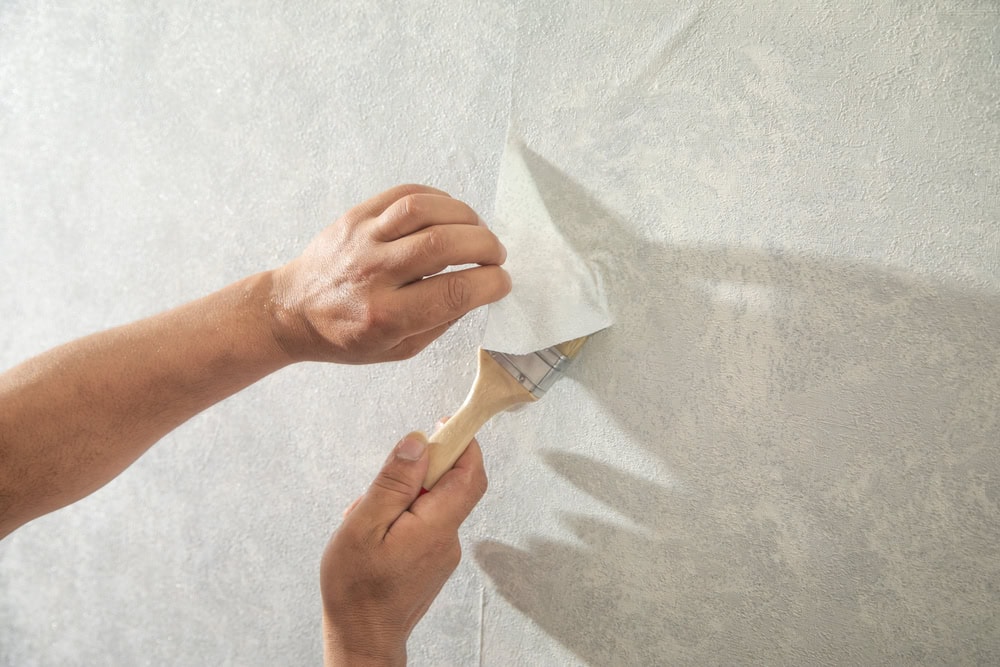
Depending on the wallpaper, removal may involve scoring, steaming, soaking, scraping, or a combination of techniques. The goal is to loosen the adhesive without damaging the wall underneath.
After the paper comes off, the wall still needs attention. Old glue often remains on the surface. If that residue is not removed, it can interfere with primer and paint. Paint applied over adhesive may look blotchy, feel tacky, or fail to bond properly.
Once the adhesive is cleaned away, the walls are inspected for damage. Small gouges, torn drywall paper, dents, nail holes, and uneven spots are repaired. The surface is then sanded and prepared for primer.
This prep work is one of the biggest reasons professional wallpaper removal is worth it before painting.
Why Wall Prep After Removal Is So Important
Removing wallpaper is only part of the job.
What happens after removal often determines how good the paint looks.
Once wallpaper comes down, the wall may reveal imperfections that were hidden for years. These can include rough patches, small cracks, uneven drywall, glue residue, stains, or torn paper facing.
If paint is applied directly over those areas, the finish may look uneven. The wall may absorb paint differently in different spots. Some areas may flash, meaning they reflect light differently than the rest of the wall.
Primer helps solve this problem, but only after the wall has been properly cleaned and repaired.
For a lasting paint finish, the wall should be smooth, dry, clean, and stable. That means the glue needs to be removed, the damage patched, and the surface sanded before primer goes on.
Skipping these steps can lead to visible flaws after painting. In many cases, the wall may look worse with new paint because the fresh color draws attention to every imperfection.
Key Benefits of Removing Wallpaper Before Painting
| Benefit | Why It Matters |
| Smoother paint finish | Paint looks cleaner when it is applied to a properly prepared wall. |
| Better paint adhesion | Removing wallpaper and glue helps primer and paint bond to the surface. |
| Fewer bubbles and seams | Wallpaper seams and trapped adhesive are less likely to show through. |
| Longer-lasting results | Proper prep helps reduce peeling, lifting, and early paint failure. |
| Cleaner room update | The finished space feels more modern, fresh, and finished. |
Wallpaper removal may seem like extra work, but it supports every step that follows.
When the wall is clean and properly prepared, the paint is more likely to look smooth and stay that way.
Is Wallpaper Removal Worth the Cost?
For most homeowners, yes.
Wallpaper removal is worth doing before painting because it helps prevent problems that can cost more to fix later.
Painting over wallpaper may seem cheaper at first. However, if seams lift, bubbles appear, or glue fails, the room may need to be stripped, repaired, primed, and repainted. That means paying twice for work that could have been handled correctly from the start.
The value is not only in avoiding repairs. It is also in the final look.
A freshly painted room should feel clean and updated. If wallpaper texture, seams, or wrinkles show through the paint, the room may still look unfinished. Removing the wallpaper first gives the paint a better surface and helps the new color look the way it should.
This matters even more if you are preparing a home for sale, updating a main living area, refreshing a bedroom, or improving a space you use every day.
A smooth wall makes the entire room feel better.
What Can Increase the Cost of Wallpaper Removal?
Several factors can make wallpaper removal more time-consuming.
Multiple wallpaper layers are one of the most common. Some older rooms have more than one layer of wallpaper underneath the visible surface. Each layer may need to be removed separately.
Painted wallpaper can also increase the cost because it is harder to soften the adhesive beneath the paper. The sealed surface slows down the removal process.
Wall damage is another major factor. If the wallpaper pulls away drywall paper or reveals old damage, repairs may be needed before painting. More repairs mean more labor and materials.
Room layout can also affect the project. Small bathrooms and powder rooms may have less wall space, but they often include tight corners, fixtures, mirrors, vanities, and trim. Those details can slow down the work.
Tall walls, stairways, built-ins, and detailed trim can also add time.
The biggest cost factor is usually labor. Wallpaper removal requires patience, care, and proper prep. Rushing the process can damage the walls and create more work later.
Can You Remove Wallpaper Yourself?
Some homeowners try to remove wallpaper themselves.
In certain cases, it may be possible. If the wallpaper is loose, newer, and applied over a properly primed wall, it may peel away with fewer problems.
However, wallpaper removal can quickly become frustrating. Many homeowners start with a small section and then realize the paper is tearing, the adhesive is not loosening, or the wall surface is being damaged.
DIY removal can also leave behind glue residue. That residue can be hard to see until primer or paint is applied. Once paint goes over leftover adhesive, the finish may look uneven or fail to bond.
The risk is not just the time spent removing the wallpaper. The bigger risk is damaging the wall and needing repairs before painting.
Professional removal helps avoid those issues. It also keeps the painting project moving in the right order: remove, clean, repair, sand, prime, and paint.
Why Frederick, MD Homes Often Need Careful Prep
Many homes in Frederick, MD, have character, age, and past updates that make proper preparation for painting important.
Wallpaper may have been installed years ago in dining rooms, entryways, kitchens, bathrooms, and bedrooms. In some homes, the wallpaper was added during a different design trend and never removed. In others, it may have been painted over at some point.
Older walls can be sensitive. Drywall paper may tear. Plaster may need special care. The adhesive may have hardened over time.
That is why wallpaper removal should be handled carefully. The goal is not just to get the paper off. The goal is to leave the wall ready for a high-quality paint finish.
Frederick Painting understands that prep work is the foundation for better results. A room can have a beautiful color, but if the surface underneath is rough, the final look will suffer.
When Should Wallpaper Be Removed Before Painting?
Wallpaper should usually be removed before painting when:
The seams are visible
The wallpaper is peeling
The wallpaper has bubbles
The surface has texture
The wallpaper has been painted before
The room has moisture exposure
The wall needs a smooth finish
The wallpaper looks old or worn
You want the paint to last as long as possible
There are rare cases where wallpaper may be sealed and painted over, but that is not usually the best choice for a clean, lasting result. If the wallpaper is already loose or damaged, painting over it will not fix the problem.
For most homeowners, removal is the better option.
It gives the wall a fresh start.
How Wallpaper Removal Improves the Final Paint Job
Paint is only as good as the surface beneath it.
When wallpaper is removed properly, the painter can see what the wall really needs. That makes it possible to repair damage, smooth rough areas, remove adhesive, and prime the surface correctly.
This leads to cleaner color, better coverage, and a more even finish.
It also helps reduce future problems. Paint applied over a stable surface is less likely to peel or bubble. Primer can do its job more effectively. The final coat can dry more evenly.
The room also feels more updated. Wallpaper can leave a visual texture behind, even when painted over. Once it is removed and the walls are prepared, the space looks cleaner and more current.
For homeowners investing in interior painting, this step can make a major difference.
How to Budget for Wallpaper Removal and Painting
When budgeting for wallpaper removal in Frederick, MD, it helps to think beyond removal alone.
The full project may include room protection, wallpaper removal, adhesive cleaning, wall repair, sanding, priming, and painting. Each step supports the next one.
A lower removal price may not include the prep needed for painting. That can lead to surprise costs later.
When reviewing an estimate, ask what is included. A clear estimate should explain whether the project includes glue removal, minor wall repairs, sanding, priming, and painting.
It is also helpful to schedule wallpaper removal and painting together. This gives the painting team a full view of the project from start to finish. It also helps avoid delays between removal, prep, and paint.
The best budget is one that plans for a finished wall, not just a stripped wall.
Why Professional Help Saves Time and Stress
Wallpaper removal can be slow, messy, and unpredictable.
One wall may peel easily. The next wall may fight every step. A room that looks simple can reveal multiple layers, hidden damage, or glue that refuses to release.
Professional help saves time because the right process is used from the start. It also reduces the risk of wall damage.
For homeowners, the biggest benefit is peace of mind. Instead of spending weekends scraping wallpaper and worrying about torn drywall, you can have the room prepared correctly for painting.
Frederick Painting can help homeowners move from outdated wallpaper to fresh painted walls with the right prep and finish.
That means fewer shortcuts, fewer surface problems, and a better-looking room.
Wallpaper Removal Before Painting
Wallpaper removal is one of the smartest steps you can take before painting a room.
It may add to the upfront cost, but it helps protect the final result. It gives the paint a clean surface, reduces the risk of bubbling or peeling, and helps the room look smoother and more up-to-date.
For homeowners in Frederick, MD, the cost depends on the room size, wallpaper type, number of layers, wall condition, and prep required after removal.
The best way to know what your project will cost is to have the walls looked at before painting begins.
If you want a paint job that looks clean and lasts, removing old wallpaper first is usually worth it.
FAQs
How much does wallpaper removal cost in Frederick, MD?
Wallpaper removal costs vary based on room size, wallpaper type, number of layers, wall condition, and the amount of prep needed before painting. A small room with easy-to-remove wallpaper may cost less, while painted wallpaper, heavy adhesive, or damaged walls can increase the price.
Is it okay to paint over wallpaper instead of removing it?
Painting over wallpaper is usually not the best choice. Paint can cause old adhesive to loosen, which may lead to bubbling, peeling, or visible seams. Removing the wallpaper first gives the paint a smoother and more stable surface.
Why does wallpaper removal take so long?
Wallpaper removal takes time because the paper, backing, and adhesive all need to be handled carefully. After removal, the walls often need cleaning, repair, sanding, and priming before paint can be applied.
Will removing wallpaper damage my walls?
Wallpaper removal can damage walls if it is rushed or done without the right process. Older wallpaper, painted wallpaper, and unprimed walls are more likely to create problems. Professional removal helps reduce the risk and prepares the wall for painting.
Should wallpaper be removed before interior painting?
Yes, in most cases, wallpaper should be removed before interior painting. Removing it helps create a cleaner finish, improves paint adhesion, and prevents old seams or texture from showing through the new paint.
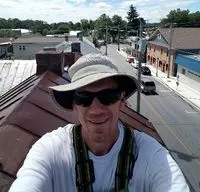
Shawn Zimmerman started painting in the summer of 1991, the year before he graduated high school. Shawn decided to pursue his career in the family business and continued to develop his skills in the trade while also developing the necessary skills to manage the business. Shawn enjoys being outdoors, canoeing, camping, hiking, hunting, fishing and spending time with family.