Understanding the ROI of Professional Industrial Coating Services
January 14, 2025
Mastering the Art of Painting Metal: From Garage Doors to Railings and Beyond
January 28, 2025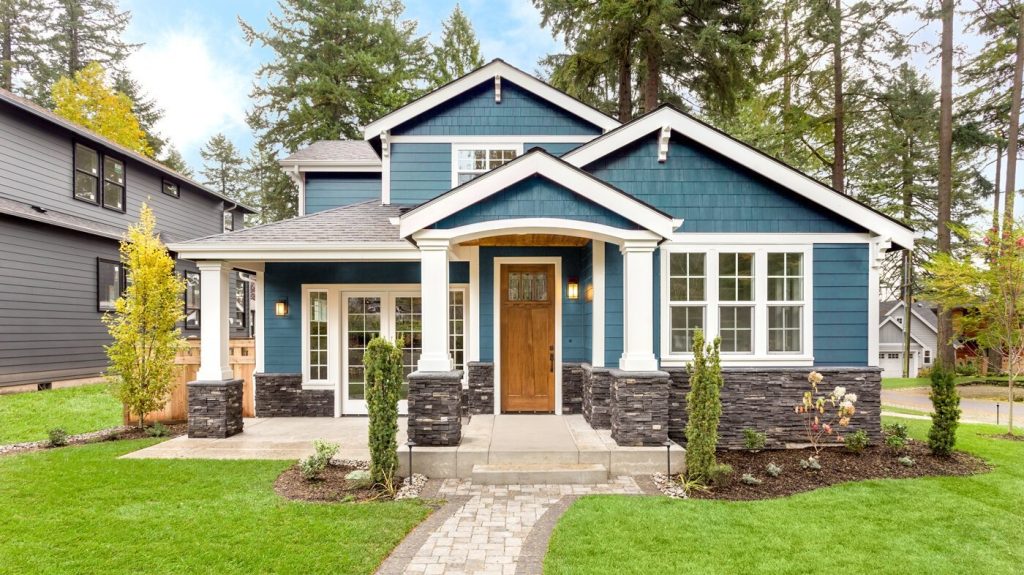
Maintaining the exterior of your property is more than just an aesthetic choice—it’s an investment that protects one of your most valuable assets. From boosting curb appeal to preserving structural integrity, regular maintenance can save you from expensive, time-consuming repairs down the road. Two of the most effective methods for keeping a home or commercial building looking (and functioning) at its best are power washing and exterior painting. While each process offers distinct benefits, they become unbeatable when combined thoughtfully. In this blog post, we’ll dive into why power washing is crucial to exterior maintenance, how it sets the stage for an impeccable paint job, and how these two services go hand in hand to safeguard and beautify your property for years to come.
Property owners often focus on interior design updates, new appliances, or landscaping improvements to enhance their home or building’s value. However, the exterior is the first thing visitors, neighbors, and potential buyers see, making it a critical element in overall appearance and structural health. Over time, environmental factors such as dirt, mold, mildew, algae, and even pollution can accumulate on surfaces, leading to discoloration, staining, and possible damage if left unchecked.
Power washing, as your first line of defense against exterior grime, not only enhances the visual appeal of your property but also adds an extra layer of protection against the elements. Once the thorough cleaning is done, painting your exterior with a fresh coat further enhances the aesthetic appeal and adds to the property’s value. When executed properly, this combination of cleaning and painting keeps your property looking fresh and prevents long-term damage, thereby preserving its market value and reducing maintenance costs.
In the sections below, we’ll explore the benefits of power washing, delve into the steps for a perfect pre-paint prep, walk you through paint selection, and show you how power washing and painting complement each other as the ultimate property maintenance duo.
The Role of Power Washing in Exterior Maintenance
A Deeper Clean Than You Think
Traditional cleaning methods, such as a garden hose, sponge, or essential scrub brush, may remove surface-level dirt but generally don’t penetrate deeper buildup layers. On the other hand, power washing employs a high-pressure stream of water capable of dislodging stuck-on contaminants, peeling paint, and other residues that degrade your home’s exterior over time. However, it’s important to note that excessive pressure or incorrect technique can damage surfaces, so hiring a professional for this task is best. The difference is significant: Grime, mold spores, and algae are not merely rinsed off; they are removed with enough force to prevent immediate regrowth, offering a cleaner surface that lasts longer.
Preventing Long-Term Damage
Power washing has the key advantage of staving off issues before they become larger problems. Algae and mold, for instance, don’t just look unpleasant; they can also damage paint, wood, and other exterior materials, potentially leading to rot or structural weakening. By removing these growths early, power washing minimizes the risk of moisture-related issues down the road, ensuring the integrity of your siding, trim, and other external features.
Safety and Health Benefits
Certain types of mold and mildew can exacerbate health problems over time, particularly for individuals with allergies or respiratory issues. Power washing the exterior helps remove these allergens and creates a healthier indoor and outdoor environment. Leaving algae or moss on surfaces such as walkways, decks, or patios can create slippery and hazardous conditions. Regularly scheduling a power wash reduces the risk of slips and falls while maintaining an appealing look for all outdoor areas.
Better Paint Adhesion
One of the best reasons to power wash before painting is that it helps create an ideal surface for new paint. Leftover peeling paint, dirt, or grime interferes with how well the fresh paint will adhere to the surface. Starting with an immaculate foundation allows smoother coverage, vibrant color, and a longer-lasting result—maximizing your return on investment.
Prepping for a Picture-Perfect Paint Job
Assessing Your Exterior
Before painting can commence, it is essential to evaluate your exterior thoroughly. Inspect for signs of damage, such as cracks, holes, or wood rot. Check all surfaces—siding, trim, shutters, gutters, and eaves—for peeling or blistering paint. Power washing will remove much of the loose, flaking paint, but deeper issues like damaged wood or rusted metal must be addressed before you can begin painting.
Repairs and Replacements
Once you’ve identified any problem areas, take care of them immediately. This can include fixing or replacing rotted wood panels, repairing cracks in siding or stucco, or replacing corroded metal fixtures. Failing to address these issues can cause more damage over time and compromise the finished paint job. For instance, if you have wood rot, you might need to replace the affected area with new wood and ensure it’s properly sealed before painting. Proper repairs ensure that the paint adheres well to every inch of the surface, leading to a more seamless, uniform appearance.
Selecting the Right Cleaning Method
Not all surfaces require the same water pressure or cleaning solution. For example, wood siding is more sensitive and might need a lower pressure setting to avoid splintering, whereas concrete can handle a higher PSI. In some cases, biodegradable detergents can help loosen dirt or stains without harming plants around your property. Experienced professionals know which methods are best for different materials and can adjust equipment accordingly. This expertise is crucial because using the wrong pressure or cleaning solution can damage your property’s exterior, leading to costly repairs.
Timing Matters
Power washing should be completed a few days (or at least 24 hours, depending on climate) before painting begins. This allows surfaces to dry thoroughly, preventing moisture from getting trapped under the paint, which can lead to peeling and bubbling. Plan your exterior painting project around the weather; dry, mild conditions are ideal for cleaning and painting.
Choosing the Right Paint for Long-Lasting Results
Quality Over Cost
Choosing the right paint is crucial for achieving long-lasting results. While a budget-friendly paint might initially look appealing, it often lacks the durability and longevity of premium-grade paints. Higher-quality paints typically contain more pigments and better binding agents, resulting in smoother application, richer color, and better resistance to fading or chalking. By considering your climate and investing in quality paint, you can ensure a paint job that stands the test of time.
Consider Your Climate
Your region’s weather patterns and climate significantly affect how your chosen paint will perform. For homes in areas that experience harsh winters or intense sunlight, the paint must be formulated to withstand temperature fluctuations, UV rays, and moisture. If you live in humid conditions, look for paints labeled as resistant to mildew or mold. If extreme temperature changes are common, opt for paints that expand and contract without cracking.
Finish and Aesthetic
Beyond function, finish is an essential factor in your paint selection. Popular exterior finishes include flat, eggshell, satin, and semi-gloss. Flat or matte finishes hide imperfections well but can attract dirt more efficiently, while satin or eggshell finishes offer a slight sheen and are easier to clean. Semi-gloss provides a noticeable shine, is excellent for trim and doors, and resists stains well. Each finish has advantages, so consider the look you’re going for and the maintenance you can handle over the long term.
Color Considerations
Color is a highly personal choice, but there are still best practices to ensure you select a shade that works well. Neutral tones like beige, taupe, gray, or pastel hues stay in style and make your property appealing to a broader audience—especially important if you plan to sell shortly. Darker colors can add drama and sophistication but may fade faster under intense sunlight. Additionally, be mindful of the architectural style of your home or building and any local regulations or homeowner association guidelines when settling on a palette.
The Perfect Partnership: Power Washing and Painting
Enhancing Curb Appeal
First impressions matter; a freshly power-washed and painted exterior stands out in any neighborhood. Whether you’re looking to sell your property or simply want to take pride in its appearance, power washing will eliminate dirt and stains, setting the stage for a flawless paint job. Once painted, your property takes on a rejuvenated look that can make it appear newer, more inviting, and well-cared-for.
Prolonging the Life of Your Paint
Paint is designed to shield your home from environmental damage, but its protective qualities can degrade if dirt, mildew, and pollutants aren’t periodically washed away. By integrating regular power washing into your maintenance plan, you ensure that contaminants don’t linger on the surface, which helps the paint maintain its integrity and color for much longer. This means fewer repainting jobs over the years and a better overall return on your initial investment.
Boosting Property Value
A clean, well-maintained exterior can significantly increase your property’s value and appeal. Potential buyers or tenants often judge a property by its external presentation before entering. If your home or commercial building appears dirty, dated, or neglected, it may set a negative tone from the start. Conversely, a polished exterior—even if the interior is modest—suggests that the property is in good hands, potentially justifying a higher asking price.
Maintaining Structural Health
Aside from the obvious aesthetic advantages, the synergy between power washing and painting helps protect various structural components. Washing removes harmful elements like mold, algae, and pollutants, preventing them from causing moisture damage or corrosion underneath the paint. High-quality paint, acting as a sealant on top, creates a barrier against rain, wind, and sun exposure, which can erode materials over time.
Efficiency and Cost-Effectiveness
Rather than treating power washing and painting as separate, disconnected tasks, tackle them in tandem for maximum efficiency. Scheduling both services close together can save time and money and reduce disruptions to your daily routine. Professional painting contractors often offer combined power washing and painting packages, which can be more cost-effective than hiring two different companies separately.
Common Mistakes to Avoid
Not Allowing Proper Dry Time
Power washing saturates surfaces with water. Even if the surface looks dry, moisture pockets can remain in cracks, joints, or porous materials like wood or stucco. Painting over a damp surface is a recipe for peeling, bubbling, or uneven finishes. Always ensure your home has ample time to dry—preferably at least 24 hours in moderate weather—before painting.
Skipping or Rushing Repairs
Don’t ignore issues like rotted trim, cracked siding, or damaged caulking in your rush to paint. These problems will only worsen with time and can ruin the look and effectiveness of the paint job. Properly repairing or replacing damaged areas ensures the paint has a stable surface to adhere to and won’t trap moisture or decay underneath.
Using the Wrong Pressure Setting
Power washers have different nozzles and adjustable pressure levels for a reason. Applying too much pressure to a delicate surface like wood siding can cause gouges, splinters, or water infiltration behind the boards. Conversely, using too little pressure on tough stains or hard materials like concrete might not clean thoroughly. When in doubt, consult a professional who can adjust settings based on the material.
Overlooking Protective Measures
Protecting your landscaping, outdoor furniture, and other nearby structures is as important as washing and painting your exterior. Cover plants and flowerbeds with tarps or plastic sheeting if you’re tackling the job yourself. Remember that power washing and painting can result in overspray. Professional contractors take these precautionary steps to keep your yard and surroundings intact.
Power washing and exterior painting are a dynamic duo that, when combined, form a robust strategy for maintaining and elevating the look and health of your property. From the deep clean that power washing provides—removing dirt, mold, mildew, and peeling paint—to the protective and beautifying benefits of a fresh paint application, these two processes reinforce each other to deliver results that go well beyond aesthetics. You’ll extend the life of your exterior materials, elevate curb appeal, bolster property value, and potentially save on costly repairs in the long run.
If you’ve been postponing an exterior refresh, remember that a clean, vibrant property is not just for show. It reflects the care you put into your investment and can help reduce the risks associated with long-term neglect. Whether you decide to embark on a DIY journey or hire professionals to handle the process, prioritizing both power washing and painting is a smart move. By planning these services together, you’ll ensure a cohesive maintenance routine that keeps your home or commercial space looking its best for years to come.

Shawn Zimmerman started painting in the summer of 1991, the year before he graduated high school. Shawn decided to pursue his career in the family business and continued to develop his skills in the trade while also developing the necessary skills to manage the business. Shawn enjoys being outdoors, canoeing, camping, hiking, hunting, fishing and spending time with family.