
How Power Washing and Exterior Painting Work Hand in Hand
January 21, 2025
Why Frederick Homeowners Trust Our Painting Services
February 11, 2025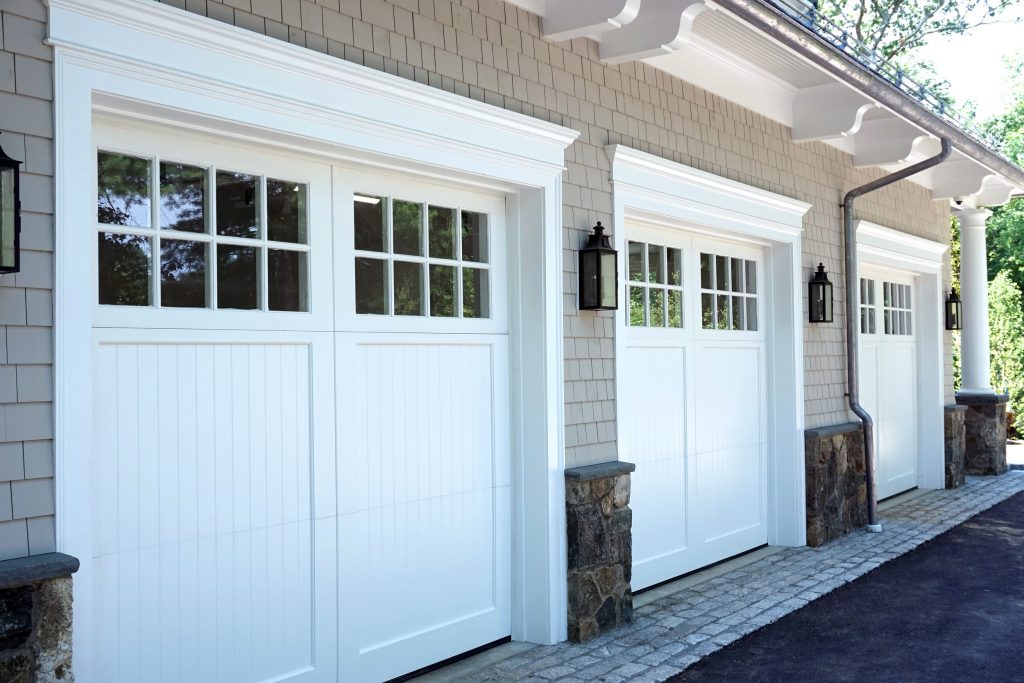
Imagine the possibilities: a fresh coat of paint can turn mundane garage doors, railings, fences, and more into stand-out features that enhance your home’s overall aesthetic. Beyond the visual appeal, a proper coat of paint acts as a shield, protecting against corrosion, rust, and other forms of damage, effectively extending the lifespan of these surfaces. However, painting metal isn’t as simple as brushing on a topcoat of color. There are specific steps and considerations to ensure long-lasting, professional-looking results. This blog post discusses why painting metal is crucial, how to prep various metal surfaces, which products to use, and best practices for a top-quality finish. By the end, you’ll be inspired and ready to tackle that worn-out garage door or rusting railing, transforming it into a feature that your home deserves.
Metal surfaces, whether indoors or out, often endure harsh conditions that can lead to unsightly wear and tear. Garage doors are exposed to rain, snow, sunlight, and fluctuating temperatures; railings regularly endure contact, friction, and sometimes moisture. Over time, paint can chip away, rust spots may appear, and your once-pristine metal features look dull or neglected. A fresh coat of paint doesn’t merely make these surfaces look better and forms a protective barrier against moisture, oxidation, and other damaging elements.
In the sections that follow, we’ll explore why painting metal is vital to preserving and improving your property, how to effectively prep for painting, the best primers and paints for various situations, painting techniques for garage doors and railings, and ongoing maintenance tips to ensure your paint job stays looking fresh for years to come. By staying on top of maintenance, you can take proactive steps to protect your investment and keep your property looking its best.
1. Why Painting Metal Surfaces Is Essential
1.1 Preventing Rust and Corrosion
One of the most important reasons to paint metal surfaces is to protect them from rust and corrosion. When bare or poorly maintained metal comes into contact with moisture and oxygen, oxidation begins, leading to rust. Not only does rust weaken the metal’s structural integrity, but it also creates an unsightly appearance that can significantly diminish curb appeal. A high-quality paint coating forms a waterproof shield over the metal, slowing or halting the oxidation process.
1.2 Enhancing Curb Appeal
A freshly painted garage door can instantly elevate the exterior of your home, while a stylishly painted railing can serve as an attractive design element. Even industrial or commercial properties can benefit from the aesthetic boost of well-maintained metal fixtures. In a competitive housing market, small details like painted railings and smooth, rust-free garage doors can be a deciding factor for potential buyers. It’s a relatively small investment that often delivers a high return, enhancing your property’s curb appeal and value.
1.3 Increasing Longevity
Metal is known for durability, but that doesn’t mean it’s immune to weather and daily wear. Proper painting and occasional repainting extend the life of metal surfaces by shielding them from impact, UV rays, humidity, and other environmental factors. This layer of protection can save you from the cost of frequent replacements and significant repairs—especially important for expensive items like garage doors, wrought-iron fences, and structural components.
1.4 Safety and Compliance
In some commercial or industrial contexts, painting metal components in specific colors can be a safety requirement—marking railings, barriers, or machinery guards. Bright or reflective paint on railings or steps can increase visibility and prevent slips or accidents, even in residential settings. Complying with local building codes or safety regulations may mean maintaining metal surfaces in specific ways, and painting can be part of that plan.
2. Preparation: The Key to a Flawless Finish
2.1 Inspecting the Surface
Before you open a paint can, it’s essential to inspect the metal surface you plan to paint thoroughly. Look for rust spots, peeling paint, or other signs of damage. Pay close attention to corners, edges, and joints—these areas are more likely to trap moisture and foster corrosion. If you notice structural problems like cracks or severe corrosion, you may need to consult a professional to repair or replace the metal before you continue.
2.2 Removing Old Paint and Rust
Removing old, flaky paint and rust is a non-negotiable step. Painting over rust and loose paint will only result in a patchy, uneven finish that’s likely to peel or bubble down the line. Depending on the condition of your metal surface, you have a few removal methods to choose from:
- Wire Brushing or Sanding: Ideal for small projects or lightly rusted areas. Use sandpaper or a wire brush to remove chipping paint or surface rust.
- Chemical Strippers: For more extensive paint removal, you can use a chemical paint stripper explicitly designed for metal. Always follow the manufacturer’s instructions and wear protective gear, as these products can be harsh and toxic.
- Power Tools: Angle grinders or drills with wire-wheel attachments can speed up the removal of rust and paint on large metal surfaces, such as garage doors.
Once you have stripped away all loose paint and rust flakes, wipe or rinse the surface to remove residual dust and debris.
2.3 Degreasing and Cleaning
Metal surfaces can accumulate oil, grease, and grime, especially in high-contact areas or near vehicles and machinery. Thorough cleaning is crucial to ensure primer and paint adhere well. Use a degreasing solution or dish soap mixed with warm water to scrub the metal thoroughly. Rinse with clean water and let it dry completely. You can wipe the surface down with a solvent like mineral spirits to remove any lingering residues if needed.
2.4 Repairs and Surface Smoothing
If you spot minor dents or damage after cleaning, now is the time to fix them. Metal fillers (like automotive body fillers) can smooth out dents, while epoxy-based repair products can address small holes or cracks. Once repairs are made, sand the filled areas flush with the surrounding metal. This ensures a level surface so your primer and paint layers appear consistent and professional.
3. Choosing the Right Materials: Primers, Paints, and Tools
3.1 Metal Primers
Using the correct primer is an essential step in painting metal surfaces. Primers serve two key purposes: improving paint adhesion and protecting against moisture and corrosion. While some paint products claim to be “paint and primer in one,” separate high-quality metal primers are often more reliable for long-term durability. Look for:
- Rust-Inhibitive Primers: Formulated to resist rust formation and often include zinc components.
- Epoxy Primers: Provide a challenging, chemical-resistant bond beneficial for surfaces exposed to harsh conditions.
- Self-Etching Primers: Contain an acid that microscopically etches the metal surface, creating an excellent grip for the topcoat.
3.2 Paint Types
For metal surfaces, you have several paint options:
- Oil-Based Paints: Traditional choice for metal due to their durability and smooth finish. They typically take longer to dry but are highly resistant to chipping and weathering.
- Enamel Paints: Provide a hard, glossy finish that’s especially common for metal surfaces like railings and garage doors.
- Acrylic Latex Paints: Water-based and quick-drying, making them easier to work with. Modern formulations can be quite durable and flexible, which helps prevent cracking on surfaces that expand or contract.
- Spray Paints: Convenient for intricate or decorative metalwork like wrought-iron fences or railings with many curves. They’re also excellent for getting into hard-to-reach areas. However, coverage can be inconsistent if you’re painting large surfaces like a garage door.
3.3 Tools and Equipment
The tools you use can significantly affect the quality of your paint job. Here’s a quick rundown:
- Brushes: For small areas or detailed work. Look for brushes with synthetic bristles if you’re using water-based products and natural bristles for oil-based paints.
- Rollers: Great for large, flat surfaces like garage doors. A short-nap roller is typically best for metal.
- Sprayers: Ideal for a smooth, even finish without brush or roller marks. Airless sprayers and High Volume Low Pressure (HVLP) systems can cover large areas quickly, though they come with a learning curve.
- Drop Cloths and Tape: Essential for protecting surrounding areas and ensuring clean edges.
4. Painting Techniques for Garage Doors, Railings, and Other Metal Fixtures
4.1 Garage Doors
Painting a garage door is often more cost-effective than replacing it, and it can dramatically enhance your home’s exterior. Follow these steps for the best results:
- Prep the Door: Begin by washing the door with a mild detergent to remove dirt and grease. Sand or scrape off old paint and rust, then fix any dents with filler.
- Prime: Apply a rust-inhibitive metal primer in an even layer. Let it dry completely before proceeding.
- Paint Application: Use a high-quality exterior paint or an enamel designed for metal. Start at the top and work your way down, applying the paint with either a roller or a sprayer. If you prefer brushing, use even strokes and consider finishing with a roller to even out any brush lines.
- Multiple Coats: Metal surfaces often require at least two coats for full coverage. Allow adequate dry time between coats.
- Check Seams and Edges: Don’t forget the edges, seams, and hardware. Paint around window frames (if any) and other accents carefully.
4.2 Railings and Fences
Railings and fences come in various designs—from simple pipe rails to elaborate wrought-iron decor. Because of their shape, these surfaces can be a bit trickier to paint:
- Disassemble if Possible: Removing railings or detachable sections can make it easier to achieve full coverage. If removal isn’t feasible, cover surrounding areas with drop cloths or tarps.
- Brush vs. Spray: Spray paint or a paint sprayer can reach tight corners and ornate details more efficiently. If you’re using a brush, choose one that’s sized appropriately for spindles or decorative elements.
- Work Methodically: Start from the top, working your way down. Paint each section entirely before moving to the next to avoid drips or overlapping marks.
- Take Your Time with Details: Ornate railings often have complex twists and turns. Use angled brushes or smaller detail brushes for these sections.
4.3 Outdoor Furniture and Accessories
Metal patio furniture, light posts, mailboxes, and garden ornaments can all benefit from a fresh coat of paint:
- Clean Thoroughly: These items are exposed to outdoor dirt, pollen, and bird droppings. A stiff brush and mild soap solution should remove grime.
- Rust Spots: Smaller pieces often have intricate designs that can hide rust. Be meticulous with your sanding or wire brushing to ensure you catch all rusted areas.
- Primer and Paint Selection: Opt for weather-resistant paints designed for outdoor metal furniture. Spray paints formulated for outdoor surfaces can be an efficient option—just remember to apply multiple thin coats rather than one thick layer.
5. Maintaining and Protecting Painted Metal Surfaces
5.1 Regular Cleaning
Once your metal surfaces are painted, regular cleaning can go a long way in preserving that fresh finish. Dirt, bird droppings, and other contaminants can slowly degrade paint if allowed to accumulate. Simply wiping surfaces with a damp cloth or rinsing them with a hose can prevent buildup. For garage doors, a seasonal cleaning with a mild detergent is usually sufficient.
5.2 Touch-Ups and Early Rust Detection
Minor scratches or chips in the paint can become entry points for moisture. Inspect your painted metal at least once or twice a year. If you notice paint flaking or small rust spots, address them immediately:
- Light Sanding: Sand or wire-brush the area to remove loose paint and rust.
- Primer Application: Re-apply primer to the exposed metal.
- Topcoat: Use the same paint color to cover the repair. Blend edges carefully to ensure a consistent finish.
Catching rust early keeps it from spreading, preserving the integrity of the surface and saving you from more involved (and expensive) repairs.
5.3 Seasonal Weather Considerations
In climates with extreme temperature swings, metal surfaces can expand and contract considerably. Over time, this may lead to cracked paint if the coating isn’t flexible enough. High-quality, exterior-grade paints are generally formulated to accommodate these temperature changes. Still, it’s wise to keep an eye on your painted metal in very cold or hot weather. Also, consider applying a clear protective sealant or wax for additional protection in particularly harsh or marine environments.
5.4 Routine Repainting
No paint job lasts forever, especially on high-traffic or heavily exposed metal surfaces. Most experts recommend repainting surfaces like garage doors and railings every five to ten years, depending on local climate conditions and the level of daily wear. Following the same prep and application processes—cleaning, scraping away old paint, priming, and applying fresh paint—will help ensure each new coat is as protective and beautiful as the last.
Painting metal surfaces—be they garage doors, railings, patio furniture, or ornamental fences—does more than refresh the look of your home or property. It offers a protective shield against rust, corrosion, and the daily wear and tear that metal surfaces endure. From careful prep work that includes rust removal and priming to selecting the right paint, tools, and application techniques, every step plays a pivotal role in achieving a durable, long-lasting finish.
By investing in quality materials and executing the process correctly, you’ll save yourself money over time, avoid frequent repainting, and preserve the structural integrity of your metal fixtures. Moreover, a beautifully painted garage door or ornamental railing adds significant curb appeal, showcasing your attention to detail and pride of ownership.
With regular cleaning and timely touch-ups, your metal surfaces will continue to stand out as polished, eye-catching elements for years. Whether you decide to DIY or hire professionals like Frederick Painting, understanding these fundamental steps will help you confidently tackle any metal painting project—big or small—and enjoy the transformative results.
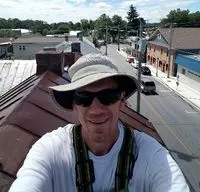
Shawn Zimmerman started painting in the summer of 1991, the year before he graduated high school. Shawn decided to pursue his career in the family business and continued to develop his skills in the trade while also developing the necessary skills to manage the business. Shawn enjoys being outdoors, canoeing, camping, hiking, hunting, fishing and spending time with family.