
Exterior Paint Color Trends to Boost Curb Appeal in Frederick, MD
September 9, 2026
How to Prepare a Room for Interior Painting: A Frederick, MD Checklist
September 16, 2026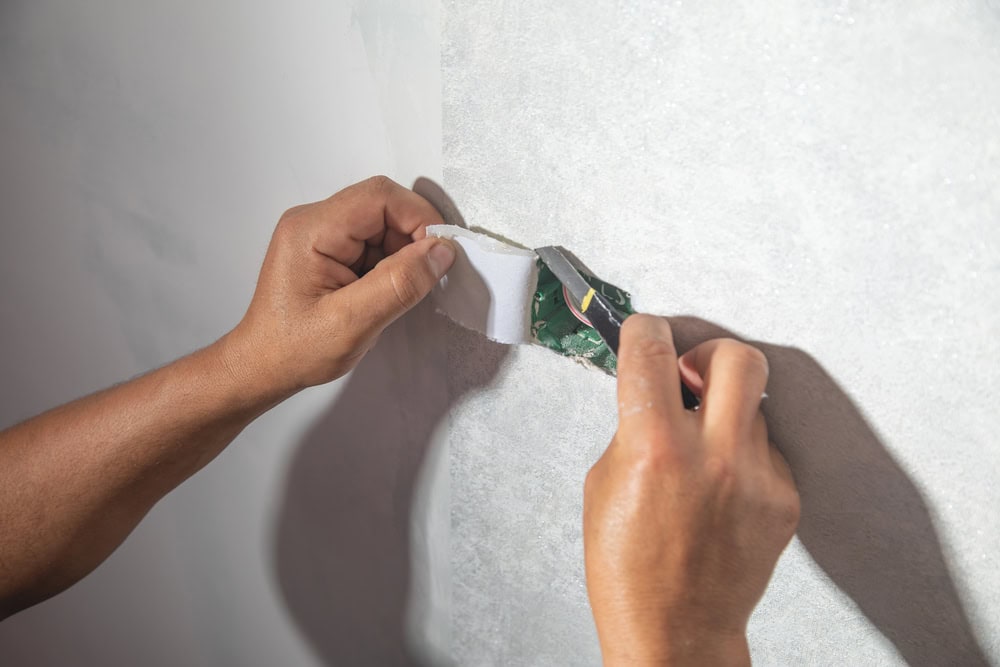
Wallpaper is back—and today’s patterns can add depth, texture, and personality that paint alone can’t match. But a beautiful result depends far more on preparation and technique than on the roll you pick. Before you commit to wallpaper installation in Frederick, MD, here’s what you should know about prepping walls, choosing the right paper, and deciding whether to hang it yourself or hire a pro.
Why Prep Makes or Breaks a Wallpaper Job
Wallpaper is unforgiving. Unlike paint, it won’t hide bumps, cracks, or old adhesive—it highlights them, and seams can lift if the surface isn’t right. Great installation starts long before the first strip goes up: walls must be clean, smooth, repaired, and often primed with a product made for wallpaper. Skipping prep is the number-one reason DIY wallpaper peels, bubbles, or shows every flaw underneath.
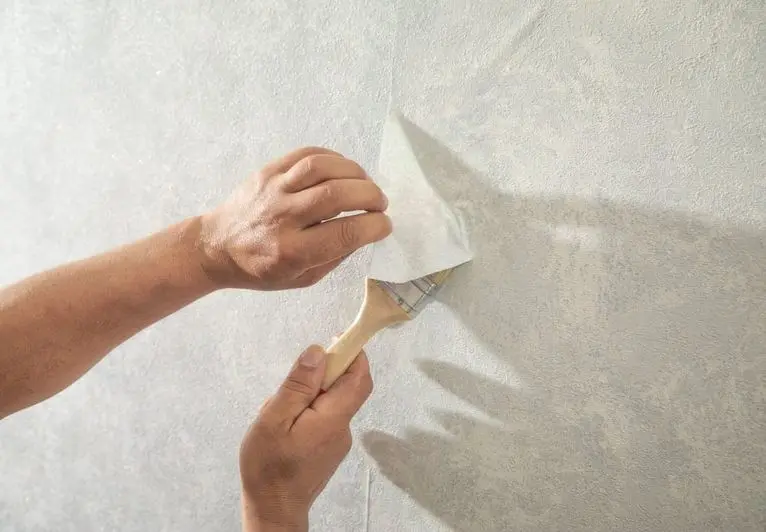
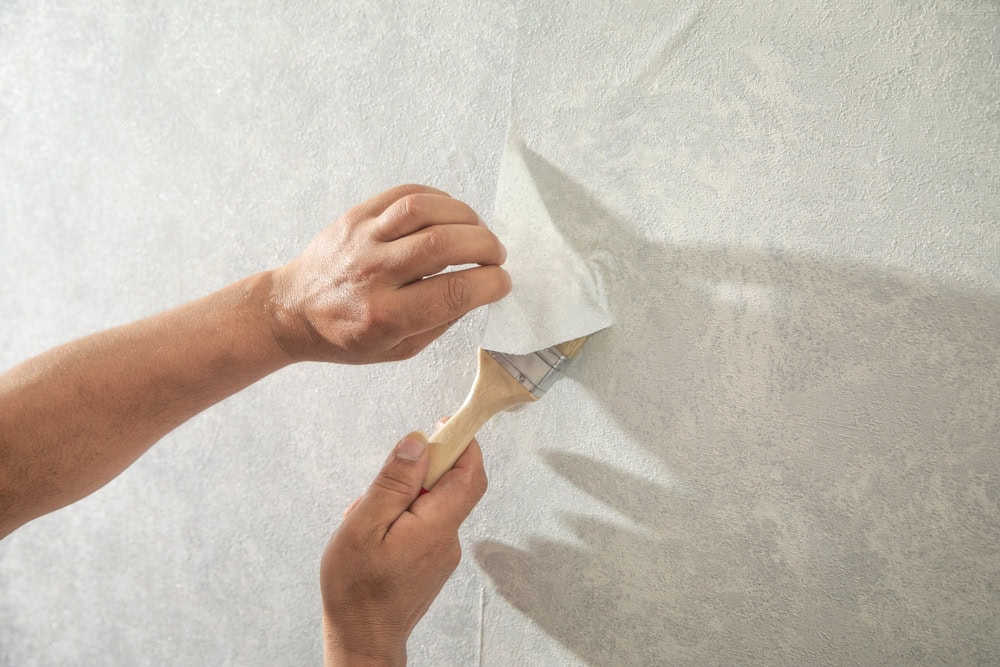
If you’re papering a wall that previously had wallpaper, proper removal comes first—see why wallpaper removal matters before a fresh finish so the new paper has a sound surface to bond to.
Getting Your Walls Ready
Good wallpaper prep follows a clear sequence:
- Remove old wallpaper completely, including all adhesive residue.
- Repair cracks, holes, nail pops, and dents, then sand smooth.
- Clean the walls of dust, grease, and grime.
- Prime with a wallpaper primer, which aids adhesion and makes future removal easier.
- Measure carefully to calculate rolls, accounting for pattern repeat.
Choosing the Right Wallpaper for the Job
Not every paper suits every wall. Match the material to the room and your skill level.
| Wallpaper Type | Best For | Notes |
|---|---|---|
| Peel-and-stick | Renters, accent walls, beginners | Easy, removable, less durable |
| Prepasted | DIY-friendly rooms | Just activate and hang |
| Non-pasted (traditional) | Whole rooms, premium looks | Needs paste and skill |
| Vinyl | Kitchens, baths, high-traffic | Durable and wipeable |
Pattern matters too: large repeats waste more paper and are harder to align, while small or random patterns forgive minor seam imperfections. An accent wall behind a bed or in a dining room is a low-risk way to try wallpaper without committing a whole room.
DIY vs. Professional Wallpaper Installation
A patient DIYer can hang peel-and-stick or prepasted paper on a small, smooth wall. Bigger jobs are another story. Matching patterns across seams, hanging around windows, outlets, and corners, and keeping everything plumb over a full room is genuinely skilled work—and mistakes are expensive when the paper is. A professional installer ensures tight seams, aligned patterns, and bubble-free walls, and handles the prep that makes it last. For general design inspiration as you plan, Better Homes & Gardens is a helpful resource.
Common Mistakes to Avoid
- Hanging over unprepped or unprimed walls
- Underestimating rolls and running short mid-project (dye lots may not match)
- Ignoring pattern repeat when measuring
- Rushing seams, which leads to lifting and gaps
- Papering a high-moisture room with the wrong material
Plan Before You Hang
Wallpaper installation rewards patience and preparation. Prep and prime the walls, choose a paper that fits the room and your experience, and measure with the pattern repeat in mind. When the job is large or the pattern demanding, a professional delivers the crisp, seamless result that makes wallpaper worth it.
Thinking about a wallpaper refresh? Our team can prep your walls for a flawless finish—learn more about our wallpaper services in Frederick, and if you’re nearby, we also serve homeowners in Urbana.
Frederick Painting & Supply, Inc. proudly serves Frederick, MD and the surrounding communities of Urbana, Walkersville, Middletown, Braddock Heights, Ballenger Creek, and Spring Ridge. Call 301-473-4773 or visit our contact page to request a free, no-pressure estimate.
Frequently Asked Questions
Do walls need to be prepped before wallpaper installation?
Absolutely. Walls must be clean, smooth, repaired, and usually primed with a wallpaper primer before hanging. Wallpaper highlights imperfections and can lift at the seams if the surface isn’t sound, so prep is the single most important step for a lasting result.
Should I remove old wallpaper before hanging new wallpaper?
Yes. Hanging new paper over old traps seams and adhesive that can telegraph through and cause peeling. Remove the old wallpaper and all residue, repair and prime the wall, then install the new paper on a clean, smooth surface for the best finish.
Is wallpaper hard to install yourself?
Peel-and-stick and prepasted papers on a small, smooth wall are DIY-friendly. Full rooms are harder—matching patterns across seams and working around windows, outlets, and corners takes skill. Many homeowners hire a professional for large or patterned installations to avoid costly mistakes.
How much wallpaper do I need?
Measure the wall area and factor in the pattern repeat, which increases waste for large patterns. Always order a little extra from the same dye lot so colors match if you run short. A professional will calculate the exact number of rolls during the estimate.
What kind of wallpaper is best for bathrooms and kitchens?
Vinyl wallpaper is best for high-moisture, high-traffic rooms like kitchens and bathrooms because it’s durable and wipeable. Pair it with proper priming and, in very humid spaces, good ventilation to prevent lifting and mildew over time.
Shawn Zimmerman started painting in the summer of 1991, the year before he graduated high school. Shawn decided to pursue his career in the family business and continued to develop his skills in the trade while also developing the necessary skills to manage the business. Shawn enjoys being outdoors, canoeing, camping, hiking, hunting, fishing and spending time with family.