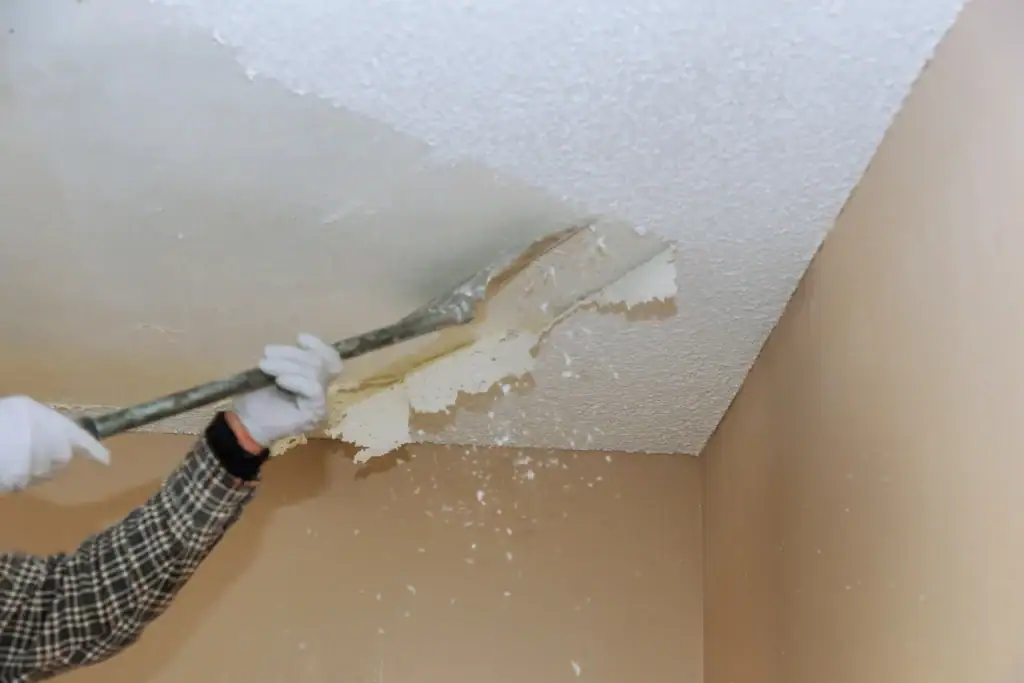
How to Patch Nail Holes and Dents Before Repainting
July 15, 2025
How to Budget for a Professional Painting Project
August 19, 2025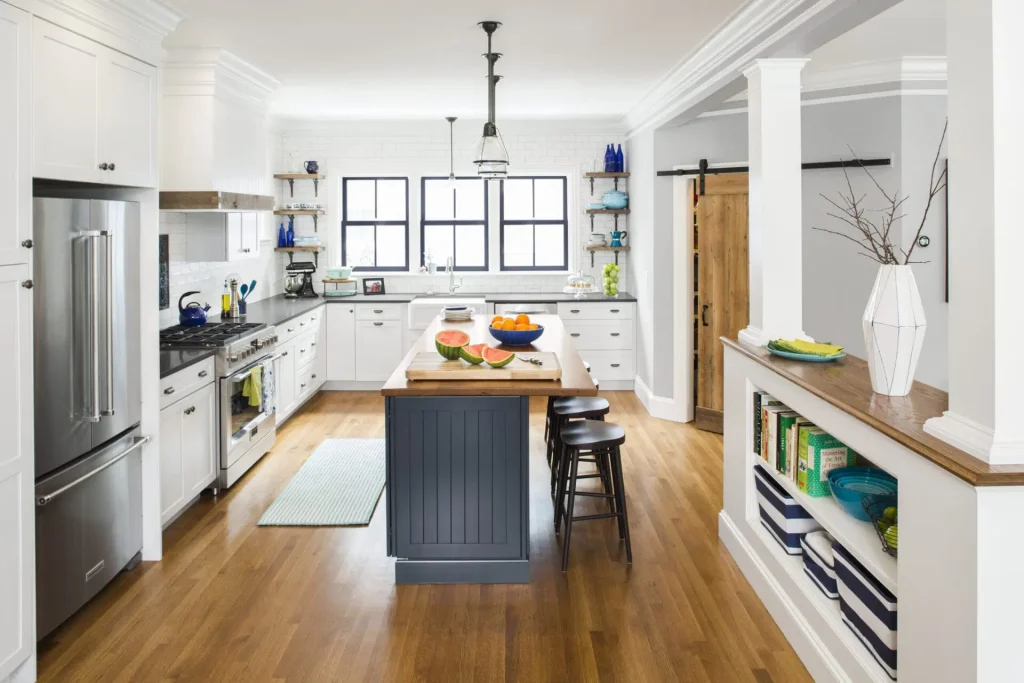
With a professional cabinet paint job, you can refresh your space without replacing cabinetry, saving you significant expense and downtime. Hiring experts ensures cost-effective results that preserve existing cabinets, avoids demolition and waste, and—with proper prep—mitigates hazards like lead exposure. Quality finishes also deliver long-lasting durability and value. Learn more at https://frederickpainting.com/
Key Takeaways:
- High-impact, low-cost update — Painting cabinets delivers a dramatic style transformation for a small fraction of the price of full cabinet replacement, letting homeowners refresh kitchens and bathrooms without a major investment.
- Fast, low-disruption renovation — Professional cabinet painting typically finishes in days rather than weeks, avoids demolition and large waste streams, and minimizes downtime and cleanup costs compared with a full remodel.
- Durable customization with strong return — Modern paint systems and topcoats create long-lasting finishes, enable on-trend colors and hardware changes, and can boost home appeal and resale value without the expense of new cabinetry.
For professional cabinet painting services, visit Frederick Painting: https://frederickpainting.com/.
The Budget-Friendly Appeal of Cabinet Painting
Cost Comparison: Painting vs. Full Renovation
Painting your cabinets typically costs between $1,000 and $6,000 for an average kitchen, while a full cabinet replacement or gut remodel commonly runs $15,000–$50,000+. You can expect painting to take days instead of weeks, produce far less disruption, and deliver a dramatic visual upgrade for a fraction of the price—often 70–90% less than a full renovation.
Cost Comparison Overview
| Typical cost | Painting: $1,000–$6,000 | Full renovation: $15,000–$50,000+ |
| Time | Painting: 3–10 days | Renovation: 4–12 weeks |
| Disruption | Painting: Low (staging, short partial shutdown) | Renovation: High (plumbing, electrical, demo) |
| Waste & environmental impact | Painting: Minimal, reuses existing cabinets | Renovation: Material waste from demolition |
| Resale / ROI | Painting: Quick curb appeal boost; strong ROI per dollar spent | Renovation: Larger potential value but much higher investment |
Long-Term Financial Benefits of Cabinets Reimagined
Modern refinishing systems use acrylic or conversion-polyurethane coatings that typically last 7–15 years with normal use, meaning you avoid the immediate capital expense of replacement. You reduce lifecycle costs by keeping existing carcasses and hardware, and modest upgrades—like new pulls at $5–$15 each—can amplify perceived value without a large outlay.
Choosing professional refinishing also mitigates hazards in older homes: if your property predates 1978, lead-based finishes may be present and require containment and specialized handling, which pros manage. Small investments—paint, topcoat, and hardware—often translate to faster resale and a stronger showing at listing time, frequently recovering several thousand dollars through improved buyer perception while you keep renovation costs low.
Transforming Spaces Without a Full Overhaul
The Power of Color and Finish in Home Design
Bold color choices and the right finish can change how your kitchen reads: painting cabinets typically runs between $1,200–$4,000 versus full replacement at $8,000–$20,000, delivering roughly 70–85% savings. Selecting satin or semi-gloss improves durability and cleans easier than matte, while high-gloss reflects light to make tight spaces feel larger. Proper surface prep and a quality primer prevent common issues like peeling; skip those steps and you risk costly touch-ups down the line.
Maximizing Impact with Minimal Investment
Swapping cabinet hardware costs as little as $3–$15 per pull, adding under-cabinet LED strips for $20–$100, or repainting in 3–5 days can transform aesthetics without remodeling. You can pair two-tone lower/upper cabinets or paint the island a contrasting hue to create designer appeal at a fraction of replacement cost.
Targeted upgrades create measurable returns: choose durable enamel finishes and new soft-close hinges for $100–$400 total, install glass-fronts on a few uppers to showcase dishware, or add crown molding to elevate perceived value. At Frederick Painting, many cabinet refresh projects are completed within a week, and clients frequently report stronger buyer interest and quicker listings after a focused, budget-friendly refresh.
DIY vs. Professional Painting: Weighing Your Options
Factors to Consider in Choosing DIY or Hiring a Pro
Assess your timeline, skill level, and tolerance for prep work: pros often complete a standard 10–15 cabinet kitchen in 2–5 days, while you might spend 2–4 weekends doing sanding, priming, and multiple coats. Factor in tools—HVLP sprayers, sanders, and a proper respirator add cost and complexity—and safety when dealing with homes built before 1978 due to lead paint risk. Any finish you choose will magnify how well you prepare surfaces.
- cabinet painting
- DIY cabinet painting
- professional painting
- cabinet refinishing
Cost Breakdown: What to Expect from Each Approach
DIY materials for a small kitchen typically run between $150–$600 (paint, primer, brushes, sandpaper, hardware), while labor is your time—expect 20–60 hours. Hiring a professional usually falls between $1,500–$7,000 depending on kitchen size, door count, and whether doors are sprayed off-site; that price often includes removal, professional-grade finishes, and reinstallation.
Look at specific examples: a 12-door cabinet job you do yourself might cost $200 in materials but take 40 hours; a local pro like Frederick Painting may quote $2,200–$3,800 for the same scope with a sprayed, durable finish and a workmanship warranty. Pros provide benefits such as factory-like spray application and longer-lasting topcoats, while DIY saves money upfront but carries risks—improper sanding or using the wrong primer leads to peeling and uneven adhesion, requiring a costly redo. Get itemized quotes and ask about prep, product brands, and warranty to compare real value.
The Art of Preparation: Ensuring a Flawless Finish
Essential Steps for Successful Cabinet Painting
Remove doors, drawers and hardware, then label every piece so you can reassemble in minutes. Clean surfaces with a degreaser or TSP substitute, sand old finishes (start with 120–150 grit), fill dents, and caulk seams. Apply a stain-blocking primer, then two topcoats—allow about 2–4 hours between waterborne coats or 12–24 hours for oil-based products. Proper prep can make your finish last 8–12 years instead of failing within a handful of seasons.
Tools and Materials You’ll Need for the Job
Gather sandpaper (120, 220 grit), a degreaser, tack cloths, a good stain-blocking primer, waterborne acrylic or urethane enamel, a 3/8″ high-density foam roller, a nylon/polyester brush, HVLP or airless sprayer (optional), painter’s tape, caulk, wood filler, drop cloths, gloves and a respirator with organic-vapor cartridges for solvent use.
For sanding, start aggressive enough to remove glossy sheen—then finish with 220 grit before priming to promote adhesion. Choose a shellac or high-build oil primer for stained or tannin-prone woods (Zinsser-type products), while modern cabinets often perform best with a waterborne acrylic enamel for faster cure and lower VOCs. Use an HVLP sprayer for intricate raised panels and an airless sprayer for flat slab doors; spray application can halve brush-and-roll labor on large kitchens. Protect yourself and the space: solvents are flammable, so ventilate and keep a respirator and nitrile gloves on hand. Frederick Painting technicians typically follow these specs to balance durability, appearance, and turnaround time.
The Impact on Real Estate Value: A Smart Investment
How a Fresh Coat Influences Home Appraisals
Appraisers factor in kitchen condition heavily, and freshly painted cabinets signal well-maintained finishes that can push comparable-value adjustments upward. Painting cabinets typically costs between $1,200–$4,000 versus $10,000+ for full replacement, and many markets report an effective ROI of roughly 70–80% on targeted cabinet refreshes compared with more extensive remodels.
Attracting Potential Buyers with Beautiful Cabinets
Buyers form first impressions from listing photos and walkthroughs; updated cabinets in neutral tones like white, gray, or navy increase perceived kitchen value and often boost showings. Pairing a professional paint finish with modern hardware and soft-close hinges can make your home stand out and justify offers that are several thousand dollars higher.
Staged listings that highlight refreshed cabinets tend to generate stronger online engagement, so you’ll likely see more inquiries and quicker offers after a quality repaint. If you want concrete results, consider asking Frederick Painting about color selection and durable finishes—their documented jobs show shorter days on market and improved buyer feedback when cabinets are refreshed rather than replaced, saving you money while enhancing sale potential.
Environmental Considerations: Making Sustainable Choices
Eco-Friendly Paint Options and Their Benefits
Choose zero-VOC (<5 g/L) or low-VOC (<50 g/L) waterborne paints and you sharply reduce indoor air pollutants and lingering odors, allowing reoccupation within 24–48 hours. Modern waterborne alkyds deliver oil-like hardness and yellow-resistance while earning certifications like Green Seal or Greenguard, which can contribute to LEED credits. You’ll also benefit from longer-lasting finishes and easier maintenance, cutting down on repaint frequency and overall material use over the next 10+ years.
Reducing Waste by Revamping Existing Cabinets
You can often save 50–70% versus full replacement by refinishing doors, repainting carcasses, and updating hardware, while avoiding hundreds of pounds of construction debris that would otherwise head to landfill. Refinishing preserves the majority of cabinet structure, diverts significant waste, and delivers a fresh look at a fraction of replacement cost, especially for kitchens with solid frames and good layouts.
Typical refinishing workflows start with inspection and selective repairs, then progress through cleaning, deglossing, light sanding or chemical stripping, wood filler for damaged areas, high-quality priming, and multi-stage topcoats such as conversion varnish or modern waterborne polyurethanes for durability. You should test older cabinets for lead-based paint and use containment if present; improper removal can release hazardous dust. Turnaround for a 12-cabinet kitchen commonly runs 3–7 days on-site, and upgrades like soft-close hinges or new pulls add function without major waste. Frederick Painting recommends low-VOC topcoats and reuse of existing door faces whenever possible to maximize environmental and cost benefits.
The Psychological Boost of a Refreshed Kitchen
How Color Affects Mood and Functionality
You can influence how you feel and work in the kitchen simply by choosing the right cabinet color: cool blues and greens reduce stress and suit prep-heavy tasks, while warm yellows and creams energize quick breakfasts and gatherings. High-gloss finishes reflect more light, improving visibility on countertops, and dark tones add sophistication but can make small kitchens feel tighter. At Frederick Painting, we pair color with finish and lighting to balance mood and function for each layout.
Creating a Space that Inspires Culinary Creativity
Freshly painted cabinets shift your daily habits: you notice your space more, use it more, and feel likelier to try new recipes. Clients of Frederick Painting frequently tell us a simple color update—like swapping dated oak for a soft sage or deep navy—made their kitchen feel like a destination again, sometimes doubling the time they spent cooking and entertaining.
Practical choices amplify that inspiration: combine a mid-tone cabinet color with 3000K LED under-cabinet lighting for warm, accurate task light (aim for ~400 lux on work surfaces), add matte brass pulls for tactile appeal, and refinish island cabinets a contrasting hue to create a focal point. Proper surface prep and a low-VOC, durable topcoat ensure the finish resists grease and cleans easily, so your renewed space stays inviting and functional long-term.
Conclusion
On the whole, cabinet painting gives you dramatic transformation for a small fraction of replacement costs, extends the life of your existing cabinetry, and updates your space with minimal disruption. When you choose Frederick Painting (https://frederickpainting.com/), professional preparation, high-quality primers and topcoats, and efficient service deliver durable, resale-boosting results that protect your budget and maximize value.
Why Cabinet Painting Is a Cost-Effective Renovation Solution
Updating kitchen or bathroom cabinets is one of the fastest ways to refresh a home’s look without a full remodel. Cabinet painting delivers big visual impact for a fraction of the cost and time required to replace cabinetry. For homeowners in the Frederick area, Frederick Painting (https://frederickpainting.com/) offers professional cabinet refinishing that maximizes style, durability, and value while minimizing disruption.
Key cost advantages
– Lower material and labor expenses: Replacing cabinets involves cabinetry, hardware, delivery, and installation labor. Painting requires materials (primer, topcoat, possibly new hardware) and skilled labor, typically at a fraction of replacement cost.
– Faster turnaround: Painting a kitchen’s cabinetry can often be completed in days rather than weeks, reducing living inconvenience and the need for temporary kitchen solutions.
– Less hidden expense: Replacement can reveal additional work—plumbing, electrical, walls, or structural changes—that add unforeseen costs. Painting usually avoids those complications.
Design flexibility and value
– Wide aesthetic choices: Modern paints, finishes, and techniques (gloss, satin, distressed, color blocking) allow customized looks that align with current trends or a timeless palette.
– Increased resale appeal: A freshly painted kitchen or bathroom often yields a strong visual lift and good ROI because buyers focus on surface condition and appearance. A painted, well-finished cabinet system can help your home show better and sell faster.
– Ability to update hardware: Swapping knobs and pulls during a paint refresh is an inexpensive way to amplify the transformation.
Durability and performance
– Professional prep matters: Proper cleaning, sanding, priming, and use of high-quality topcoats extend the life of the finish and resist chips and stains. Pros use spray application for smoother, longer-lasting results.
– Eco- and budget-friendly options: Low-VOC paints and finishes reduce odors and environmental impact while meeting performance needs.
When to choose painting vs replacement
– Paint cabinets when the layout is sound, the boxes are structurally intact, and you want a new look at a lower cost.
– Replace cabinets when doors or boxes are warped, hardware is failing, storage needs have changed, or you want a different layout or built-in features.
Typical costs and expected ROI
– Costs vary by kitchen size, door count, and finish complexity; a painted cabinet project often runs a fraction of the cost of full cabinetry replacement. Talk with a local contractor like Frederick Painting for a tailored estimate and examples of recent projects.
– The return on investment depends on local market and project quality, but many homeowners recoup a significant portion of the expense through improved saleability and buyer perception.
How Frederick Painting helps
– Local expertise: Frederick Painting provides color consultation, professional prep, and high-quality finishes tailored for cabinets.
– Efficient scheduling and protective measures: Teams minimize dust and disruption and aim to complete projects quickly with durable, attractive results.
– Warranty and follow-up: Professional services include guarantees and care guidance to keep finishes looking their best.
If you want a high-impact, budget-conscious renovation for your kitchen or bathroom, cabinet painting is an excellent choice. Visit Frederick Painting at https://frederickpainting.com/ to view portfolios, request a quote, or schedule a consultation.
FAQ
Q: How much can I expect to save by painting cabinets instead of replacing them?
A: Painting cabinets typically costs a fraction of full replacement. While exact figures depend on kitchen size, number of doors and drawers, and finish complexity, painting often ranges from 20–40% of the cost of new cabinetry. Savings come from avoiding demolition, cabinetry materials, custom fabrication, and lengthy installation. Professional painting also reduces the risk of hidden costs that can arise during a full remodel, such as electrical or plumbing work.
Q: Will painted cabinets hold up as well as new ones, or will they chip and look worn quickly?
A: When done correctly, painted cabinets are durable and long-lasting. The key steps are thorough cleaning and de-greasing, light sanding or de-glossing, high-quality primer, and a durable topcoat applied by brush, roller, or spray. Professionals often use cabinet-grade coatings that resist chipping and staining. Proper prep and application make painted cabinets perform very well; routine gentle cleaning and avoiding abrasive tools helps maintain the finish over time.
Q: Can I change cabinet colors again later, and how disruptive is the painting process?
A: Yes — cabinets can be refinished multiple times, which makes painting a flexible long-term option as styles change. The process is less disruptive than full replacement: a typical project for an average kitchen can be completed in several days to a week, depending on scope. Professionals protect floors and countertops, contain dust, and may remove doors for off-site spraying to ensure an even finish. Because the existing layout and casework remain, there’s no demolition or extended downtime associated with replacement.

Shawn Zimmerman started painting in the summer of 1991, the year before he graduated high school. Shawn decided to pursue his career in the family business and continued to develop his skills in the trade while also developing the necessary skills to manage the business. Shawn enjoys being outdoors, canoeing, camping, hiking, hunting, fishing and spending time with family.