Should You Repaint or Replace Trim? A Walkersville House Painter’s Guide
November 4, 2025
How Often to Repaint Trim and Doors—Answers From an Urbana Painting Company
November 18, 2025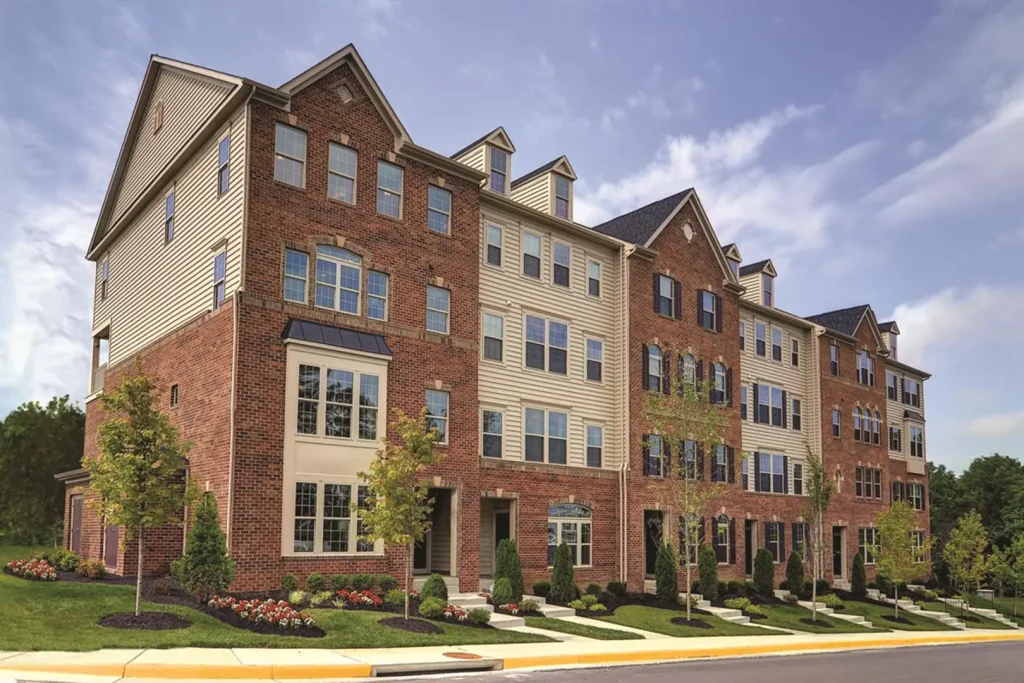
Selling or prepping your townhome in Ballenger Creek? The right paint plan makes rooms feel bigger, cleaner, and newer—without a major renovation. This guide breaks down the exact upgrades a Ballenger Creek House Painter would prioritize to help you win online photos, showings, and offers.
You’ll find fast wins, room-by-room tips, and a clear order of operations to plan a smooth project with predictable results.
Why does painting move the needle with buyers
- Fresh paint removes doubt about upkeep and hygiene.
- Neutral, consistent color helps buyers focus on space, not distractions.
- Crisp trim and doors send a “move-in ready” signal and look great in listing photos.
- Correct sheens make everyday scuffs wipeable, reducing buyer maintenance worries.
The 80/20 plan: small changes, big impact
- Unify walls in a modern, buyer-friendly neutral.
- Bright trim and doors for contrast and “new build” energy.
- Refresh the entry—the first five seconds set the tone.
- Prioritize kitchen and baths where appearance equals value.
- Fix the view lines buyers notice in photos: hallways, stairs, and open concept sightlines.
Ballenger Creek’s color strategy that sells
Townhomes often share light patterns: front-facing rooms with stronger daylight, interior rooms with mixed or artificial light, and rear-facing spaces that vary by season.
- Whole-home neutral: Choose one versatile neutral for 70–90% of walls. A soft, warm-leaning greige or a balanced light beige keeps photos bright and plays well with various floors and cabinets.
- Trim & doors: Clean, slightly warm white in semi-gloss for wipe-ability and crisp contrast.
- Ceilings: True or slightly warm white in flat for low glare; it visually lifts ceiling height.
- Accent restraint: Limit accents to one or two spaces (e.g., the powder room or the primary headboard wall) to keep the listing calm and cohesive.
Entryway: five-second first impression
- Walls: Neutral satin/eggshell for light bounce and easy cleaning.
- Door & casing: Semi-gloss white for snap; repair dings and round-over sharp chips.
- Stairs: If balusters and railing look tired, repaint spindles white and the handrail in a contrasting, deeper tone. It reads “updated” in photos.
- Closet interiors: A quick coat inside the entry closet tells a quiet story of care.
Living and dining zones: open concept clarity
- Unify color across connected rooms to avoid visual chop in photos.
- Light direction: If you’re west-facing and get golden afternoon light, pick a neutral that doesn’t skew too yellow at sunset.
- Sheen: Eggshell for walls—easy to clean, not shiny.
- TV wall dents & cord holes: Patch, sand, and prime; nothing kills a photo like shadowed wall damage.
Kitchen: the ROI hotspot
- Cabinet touch-ups vs. repaint: If doors are sound and the layout is good, a cabinet repaint can transform the space. Keep walls calm; let cabinets and counters lead.
- Backsplash contrast: Neutral walls let tile patterns pop without visual noise.
- Sheen: Satin/eggshell walls; semi-gloss trim; enamel for cabinets for durability.
- Stain blockers: Use stain-blocking primer near the range and sink to prevent bleed-through.
Bathrooms: small rooms, big payoff
- Color: Light, spa-clean hues; avoid heavy accents unless the vanity/counter demands it.
- Moisture strategy: Proper bath-rated paint helps resist humidity. Caulk cleanly around the tub and vanity splashes.
- Ceilings: Refresh in flat white; address any prior moisture spots with stain-blocking primer first.
Bedrooms: calm, marketable choices
- Primary suite: Keep the palette cohesive with the main living spaces for a seamless listing flow.
- Kids’ rooms: Neutralize bold colors without burn-through by priming accent walls before topcoat. Buyers need to imagine their furniture here.
Hallways and stairwells: the photo superhighway
- Scuff resistance: These walls take hits. Eggshell with robust enamel technology is your friend.
- Handrail: Deep, contrasting tone or clean semi-gloss white—either looks intentional when lines are sharp.
- Ceiling transitions: Feather and patch seams for a smooth plane; busy ceilings look dated.
Doors and trim: where the “new” feeling lives
- Semi-gloss for doors/baseboards/casings adds depth and cleanability.
- Gap lines: Re-caulk where trim meets wall for a laser-straight shadow line in photos.
- Hardware masking: Keep hinges clean. Painted hinges signal DIY shortcuts.
Ceilings: the silent value add
- A fresh ceiling coat drops shadows, hides hairline marks, and makes every wall color look more expensive.
- Patch tape seams and screw pops carefully; prime repairs to prevent flashing.
Sheen’s choices that work in townhomes
- Flat (ceilings): Hides minor texture.
- Eggshell (most walls): Washable without glare.
- Satin (kitchen/bath walls): Extra moisture resistance.
- Semi-gloss (trim/doors): Durable and crisp.
Low-odor, low-VOC options for quicker showings
Using low-odor products speeds up post-paint occupancy and reduces the “fresh paint” smell during open houses. It’s a quiet win for same-weekend showings.
The pre-paint punch list that avoids callbacks
- Mask and thoroughly protect floors, railings, and counters.
- Clean first: Degloss oily handprints around switches and door casings so new paint bonds.
- Patch properly: Feather-edge drywall repairs; don’t leave humps that appear in raking light.
- Prime where it matters: Glossy trim conversions, stained spots, and patched areas.
- Caulk right: Small, consistent beads; tool smooth for straight lines.
- Sand between coats on trim for that factory-smooth feel buyers notice.
A realistic project sequence for Ballenger Creek townhomes
- Day 1: Move/cover furnishings, mask floors, and start patching.
- Day 2: Prime repairs, first coat on ceilings and walls in secondary rooms.
- Day 3: Main living areas first coat; start trim.
- Day 4: Second coats; doors off hinges for smoother finishes if needed.
- Day 5: Final touch-ups, hardware cleaned, outlet covers back, site tidy.
Scope drives timing, but sequencing like this keeps traffic lanes open and photo-ready areas finishing together.
Budget tiers that make sense
- Starter refresh: Walls and ceilings in one neutral; spot-trim touch-ups. Ideal for listings that already show well.
- Listing ready: Whole-home walls/ceilings + full trim/doors; limited cabinet work. Most popular for maximum photo impact.
- Premium refresh: Adds cabinet repaint, stair railing update, and select accent spaces (powder room, feature wall) for a model-home feel.
What to skip (common mistakes in townhomes)
- Multiple wall colors per floor that chop space and confuse listing photos.
- High-gloss on walls showing every patch and roller mark.
- Skipping a primer on deep colors or glossy trim can lead to burn-through or peeling.
- Leaving yellowed doors/trim against fresh walls makes new paint look dirty.
Staging and paint: how they work together
- Neutral backdrop makes rental furniture and simple art look intentional.
- A cohesive palette lets a single rug or throw carry the color story.
- Clean trim lines provide that subtle “finished” edge that buyers read as quality.
Photo tips after painting
- Shoot rooms on bright days with lights off to avoid mixed color temperatures.
- Aim for wide-angle shots that show the continuous color across the living/dining areas.
- Close-ups of freshly painted doors and casings with clean hardware add “new home” energy to your listing carousel.
Case-style scenarios for Ballenger Creek
Front-facing living room with afternoon glare
- Problem: Strong sun exaggerates color warmth.
- Move: Pick a neutral with controlled warmth and use flat ceilings to minimize glare. Sheen at eggshell to keep the light bounce gentle.
Interior hallway with scuffs and dents
- Problem: Dinged corners and dark marks down low.
- Move: Corner repairs, durable eggshell wall finish, bright semi-gloss baseboards; consider a slightly taller base to visually stretch walls.
Compact kitchen with good cabinets
- Problem: Space feels tight and dated.
- Move: Cabinet repaint in a light, modern tone, walls in a quiet neutral, and crisp trim. Listing photos look brighter and cleaner when listed immediately.
Primary suite with bold accent
- Problem: Strong color dominates the room.
- Move: Prime the accent wall, unify with the whole-home neutral, and let bedding/decor for staging bring soft color instead.
DIY vs. hiring a pro
DIY makes sense when surfaces are sound, repairs are minimal, and you’re comfortable with prep and clean lines. Plan extra time for trim and doors—they are detail-heavy.
Hire a pro when timelines are tight, you want factory-smooth doors/trim, or there’s prior peeling, moisture staining, or conversions from old oil-based coatings. If you want a local estimate or a clean, done-for-you approach, start with a quick look from a Ballenger Creek House Painter to get the scope and schedule.
The trim and door glow-up (worth the effort)
- Sand between coats for glassy doors that feel new in hand.
- Update mismatched caulk lines so shadows are straight.
- Uniform white across trim, doors, and built-ins ties the whole floor together.
The “one neutral” palette—example approach
- Walls: One adaptable neutral throughout the main areas and halls; adjust only slightly (a hair lighter) in lower-light rooms.
- Bedrooms: Same family, either identical or a subtle tint shift for personality without breaking cohesion.
- Powder room accent: A richer shade or textured effect works because it’s contained and photographs well.
Pet and family considerations
- Choose scrubbable, stain-resistant wall paints in traffic zones.
- Keep sheens practical: eggshell on walls, semi-gloss on trim, so fingerprints and scuffs clean quickly during showings.
- If you’re listing soon, select low-odor options to keep the home comfortable for quick buyer visits.
Touch-up strategy for showings
- Save a labeled can of each color.
- Keep a small kit: touch-up brush, microfiber cloth, blue tape, and a small roller.
- Dew points and humidity can change sheen appearance; blend touch-ups edge to edge on small areas rather than dotting in the middle of walls.
Final checklist before the photographer arrives
- Outlet and switch plates reinstalled and wiped clean.
- Door hardware polished; hinges and latches free of paint.
- Caulk lines are continuous with no gaps.
- Baseboards are dust-free for that sharp floor line.
- Windows cleaned; fresh paint looks best with clear glass.
What a pro project looks like, step by step
- Walkthrough: Note color plan, repairs, and traffic plan to keep access clear.
- Protection: Floors, stairs, cabinets, and counters covered; furniture floated.
- Repairs: Nail pops, dings, corner bead fixes; stain blocking where needed.
- Prime: Glossy transitions and patched areas.
- Ceilings first, then walls, trim/doors in that order for efficient touch-ups.
- Second coats: Maintain wet edges for uniform sheen.
- Detailing: Caulk tune-ups, line checks, and hardware cleaning.
- Walkthrough & touch-up list: Ensure photo-ready results.
When speed matters
On tight timelines, prioritize: entry, main living/dining, kitchen, half bath, hall/stairs. Bedrooms can follow, but those first areas drive the majority of buyer impressions and photo clicks.
Long-term value, even if you’re not selling yet
A buyer-minded refresh still benefits everyday living—brighter spaces, easier cleaning, and a flexible palette that handles future furniture changes. When it’s time to sell, you’re already 80% there.
FAQs
1) What colors help Ballenger Creek townhomes look bigger?
Light, balanced neutrals with a touch of warmth keep rooms bright without turning yellow. Use one tone across connected spaces to reduce visual “breaks.”
2) Which rooms should I paint first if I’m short on time?
Entry, living/dining, kitchen, and powder room. These drive first impressions, photos, and buyer confidence.
3) Do I need to repaint the trim if the walls are fresh?
Suppose trim looks yellowed or scuffed, yes. Bright trim against fresh walls is a key “new home” cue. Semi-gloss keeps it cleanable.
4) What sheen is best for townhome hallways and stairs?
Eggshell on walls for scuff resistance and easy cleaning; semi-gloss on railing, baseboards, and spindles for durability.
5) Can I paint right before listing photos?
Yes—use low-odor products and allow proper dry times. Finish at least a day before the shoot to rehang doors, remove tape, and tidy lines.

Shawn Zimmerman started painting in the summer of 1991, the year before he graduated high school. Shawn decided to pursue his career in the family business and continued to develop his skills in the trade while also developing the necessary skills to manage the business. Shawn enjoys being outdoors, canoeing, camping, hiking, hunting, fishing and spending time with family.