
Interior Paint Ideas to Make Small Frederick Townhomes Feel Bigger
December 23, 2025
Ceiling Match or Contrast? The Real Pros & Cons of One-Color Rooms
January 2, 2026
Paint isn’t just color—it’s protection, light control, and a big part of how your home feels during Frederick’s long winters and bright, humid summers. Knowing how often to repaint interior walls helps you plan budgets, prioritize rooms, and keep surfaces looking fresh without constant touch-ups. This skimmable guide breaks down realistic repaint timelines for Frederick homes (and neighboring Washington, Carroll, Howard, and Upper Montgomery Counties), along with the local factors—humidity, heating, AC, and family traffic—that can change the schedule.
If you’re ready for a straightforward, room-by-room plan, our team can walk through your home, map a sensible timeline, and keep each space tidy as we go. Start here: residential painting.
The quick answer (by room and use)
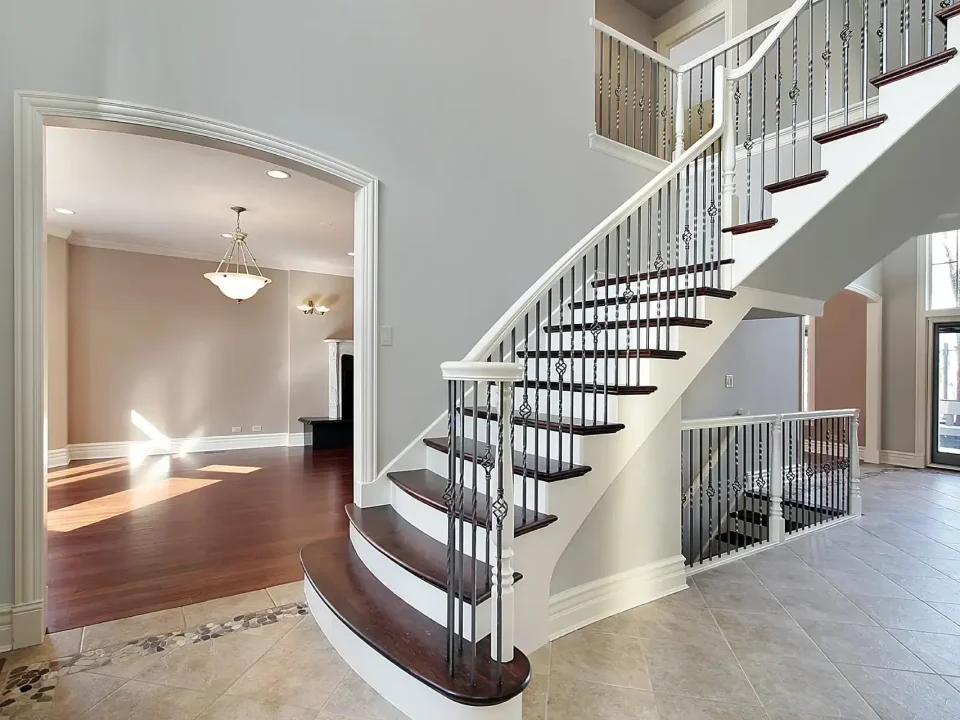
- Hallways & stairways: every 2–3 years (highest traffic, scuffs, and handprints)
- Children’s bedrooms & playrooms: every 2–4 years (bumps, stickers, creative “art”)
- Kitchens & dining areas: every 3–5 years (grease, steam, frequent wipe-downs)
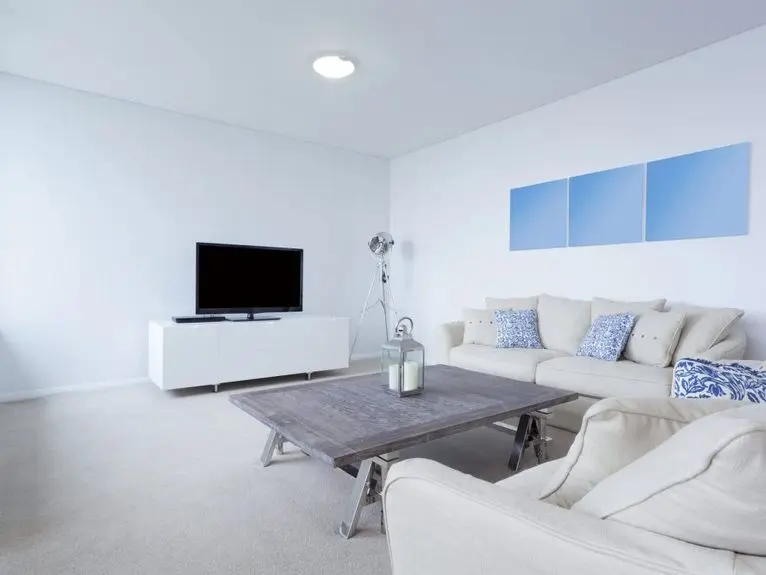
- Living rooms & family rooms: every 4–6 years (moderate wear, frequent use)
- Primary bedrooms & guest rooms: every 5–7 years (light wear)
- Bathrooms & laundry rooms: every 3–5 years (humidity and cleaning frequency)
- Basements: every 4–6 years (depends on humidity control and activity level)
These ranges assume modern, washable paint, proper surface prep, and stable indoor conditions. Homes with pets, heavy entertaining, or lots of natural light may need repainting sooner.
Why does the repaint frequency vary in? Frederick
Seasonal swings matter. Winters here are dry indoors (heating), summers can be humid (AC working to dehumidify), and shoulder seasons bring pollen and open windows. Paint films last longest when you keep indoor humidity around 40–50% and avoid large temperature swings. Consistent HVAC settings and good ventilation after showers/cooking help your finish stay smooth, cleanable, and less prone to micro-cracking.
The durability triangle: prep, product, and environment
- Prep: Filling nail pops, caulking gaps, sanding patches, and spot-priming stains reduces the need for future touch-ups.
- Product: Washable, low-odor paints in the right sheen keep color richer and easier to clean.
- Environment: Steady 68–72°F with 40–50% RH during and after painting helps the film cure more quickly and last longer.
If one side slips—say, poor prep or chronically damp bathrooms—the repaint cycle shortens.
Room-by-room repaint timelines (with local tips)
Hallways & stairways (2–3 years)
- High contact from kids and guests, plus frequent cleaning, wears the finish.
- Use eggshell or satin for better wipe-ability and a slightly tougher film.
- Consider tone-on-tone (walls and trim close in color) to make future touch-ups less obvious.
Living room & family room (4–6 years)
- Daylight plus lamp light can fade or highlight scuffs over time.
- Warm, light neutrals with washable technology handle seasonal gatherings well.
- If you rearrange art or TVs often, plan for a 5-year refresh to prevent holes and shadows from accumulating.
Kitchens & dining areas (3–5 years)
- Steam, stove splatter, and chair backs scuffing walls drive the schedule.
- Choose eggshell (or a durable matte formulated for kitchens) for walls; satin/semigloss on trim.
- If you repaint the cabinets later, coordinate the wall color now to avoid redoing the walls later.
Bathrooms & laundry rooms (3–5 years)
- Humidity is the boss here. Run exhaust fans 20–30 minutes after showers.
- Moisture-resistant, washable paints extend the cycle toward 5 years.
- Spot-prime any water stains quickly so they don’t ghost through.
Primary bedroom & guest rooms (5–7 years)
- Lower traffic and fewer wipe-downs let these rooms stretch longer.
- Matte or eggshell finishes look soft and hide minor texture.
- If strong sun hits one wall, rotate furnishings or use lined drapes to reduce uneven fading.
Kids’ rooms & playrooms (2–4 years)
- Choose fun, durable colors—but plan on a sooner refresh.
- Upgrading to a scrubbable line pays off; it lengthens the timeline and makes quick cleanups easier.
- Consider one dark accent behind the bed or desk to hide day-to-day bumps.
Basements (4–6 years)
- Dehumidification is the key. Keep RH near 45–50% to avoid musty odors and paint dulling.
- Creams and warm grays lift low-light spaces; washable finishes handle game nights and workouts.
Signs it’s time to repaint (even if you’re still “in range”)
- Shiny “paths” on walls, where frequent cleaning polished the paint
- Color fade or uneven tone in sun-washed rooms
- Micro-cracks around trim lines and corners
- Persistent scuffs that don’t come off with gentle cleaners
- Stain bleed-through from a past leak that wasn’t properly primed.
- Peeling or flaking near showers or baseboards (humidity or water intrusion)
One or two rooms showing these signs? You can phase your repaint instead of waiting for the whole home to catch up.
The sheen map that extends the time between repaints
- Matte: elegant in low-touch rooms; touch-ups blend well, but it’s less scrubbable
- Eggshell: the sweet spot for most walls—soft look with easy wipe-downs
- Satin: tougher for hallways, kids’ rooms, and baths; a little more glow
- Semigloss (trim/doors): hard-wearing, resists dings and frequent cleaning
In Frederick’s dry winters, matte and eggshell benefit from humidifiers to avoid over-drying and lap marks—your finish will stay more uniform over time.
How prep and product choices stretch your repaint cycle
Prep that pays off
- Fill nail pops, re-tape hairline cracks, and sand smooth—lamp light won’t amplify defects.
- Caulk trim gaps; clean caulk lines, keep dust out, and keep edges looking crisp longer.
- Spot-prime stains (water, smoke, markers) to prevent reappearing “ghosts.”
Product upgrades that last
- Low-odor, low-VOC paints let you paint year-round with windows mostly closed.
- Higher-washability lines reduce the need for early repaints in hallways, baths, and kids’ rooms.
- Neutral palettes with closely related trim colors make minor touch-ups nearly invisible, buying you time.
Frederick’s climate: small adjustments with big impact
- Winter (heating season): Indoor air can dip below 35% RH. Add a humidifier to hit the 40–45% zone so walls don’t look patchy after cleaning or small touch-ups.
- Summer (AC season): Keep the AC in dehumidify mode and run bathroom fans after showers. Consistent 45–50% RH slows wear and keeps the film harder, longer.
- Shoulder seasons: Pollen and open windows bring dust. Paint during weeks when you can keep windows closed during coating, then use short, controlled ventilation.
Touch-up vs. full repaint—how to decide
Choose touch-ups when:
- Color is staying, and you have leftover labeled paint (same batch if possible)
- Scuffs are localized: behind chairs, along one hallway, and around a light switch.
- Sheen is standard (matte/eggshell), and the wall isn’t catching hard side-lighting
Choose a full repaint when:
- You see widespread burnish (shiny areas from cleaning) or color fade
- You plan a sheen change (e.g., matte to eggshell) or a color update
- There’s significant patching—stitching patches into old paint can telegraph under certain lights
A practical repaint schedule for a busy Frederick household
Year 1–2
- Hallways, stairwells, kids’ rooms (if needed)
- Spot-prime and touch-up kitchen backsplash walls
Year 3–4
- Kitchen and dining refresh
- Bathrooms (if exhaust fan use has been sporadic)
Year 4–5
- Living/family room repaint
- Basements, if humidity is well-controlled
Year 5–7
- Primary bedroom and guest rooms
- Whole-home trim refresh where doors/baseboards show wear
This phased plan spreads costs and keeps the home looking consistently cared for.
Color strategies that age gracefully between repaints
- Stick to warm, light neutrals for main walls—cream, warm greige, putty-beige—so small scuffs are less obvious.
- Reserve mid-tone accents for focal spots (behind a bed or sofa). They wear better than ultra-light walls in high-touch zones.
- Keep trim 1–2 steps lighter than walls or go tone-on-tone (same hue, satin) to hide future touch-ups.
Prep, paint, and protection—how Frederick Painting keeps finishes fresher longer
- We protect floors, railings, and furnishings carefully, so there’s less cleanup, wear, and fewer incidental scuffs.
- We address repair lists up front: nail pops, settlement cracks, and corner beads that often reappear if ignored.
- We recommend washable interior lines matched to each room’s use, so you get more time before the next repaint.
- We set HVAC targets during the job (steady 68–72°F; 40–50% RH) for smooth, even cures.
When you’re ready, see how our residential painting service can map a repaint plan that fits your calendar and budget.
Frequently asked questions
How often should landlords repaint between tenants in Frederick?
For long-term rentals, many owners refresh every 3–5 years, or sooner for high-turnover units. Using a durable eggshell in a warm neutral, with tone-on-tone trim, helps units look clean through multiple tenancies.
What reduces repaint frequency the most—paint quality or sheen?
Both matter, but quality first. A high-quality washable matte or eggshell typically outlasts a budget satin. Then choose sheen based on room use (eggshell in halls, satin for trim).
Can I extend the life of my current paint without repainting?
Yes. Keep RH around 45–50%, clean scuffs with mild soap and water, and avoid harsh scrub pads. Add felt pads behind chairs and around benches to minimize repeat marks.
Do color changes require more frequent repaints?
Not inherently. But deep or very light colors show wear sooner. If you love bold colors, use them on accent walls or in lower-traffic rooms to keep the whole-home repaint cycle on track.
How long should I wait between coats when I repaint?
Most modern interior paints are recoat-ready in 2–4 hours at ~70°F and ~45–50% RH. Cooler temps or higher humidity increase wait times. Your product label provides the exact window.

Shawn Zimmerman started painting in the summer of 1991, the year before he graduated high school. Shawn decided to pursue his career in the family business and continued to develop his skills in the trade while also developing the necessary skills to manage the business. Shawn enjoys being outdoors, canoeing, camping, hiking, hunting, fishing and spending time with family.