
Cozy Paint Color Ideas That Make Frederick Winters Feel Warmer
December 9, 2025
Interior Paint Ideas to Make Small Frederick Townhomes Feel Bigger
December 23, 2025
Short days, cold snaps, muggy spells—Frederick’s four seasons matter when you’re planning an interior repaint. Here’s a skimmable, homeowner-friendly guide to when to paint, why seasons affect results, and how to use your HVAC to get crisp lines and a long-lasting finish across Frederick, Washington, Carroll, Howard, and Upper Montgomery Counties.
If you’re ready to schedule, our team can plan around your calendar and local weather patterns. See our residential painting services to get started.
The 60-second answer
- Excellent results occur when you keep the room temperature ~60–75°F and the relative humidity (RH) ~40–55%, with gentle airflow.
- In Frederick, late winter to mid-spring and early fall are often ideal: heat or AC can stabilize RH without extreme outdoor swings.
- Summer works well indoors if you control humidity with AC or a dehumidifier. Deep winter is fine too—just manage dry air and ventilation.
- For occupied homes, plan room-by-room phases and keep HVAC running low-and-steady for even curing.
Why season matters: a quick paint-science primer
Modern interior paints cure via water (or solvent) evaporation and coalescence—tiny resin particles fuse as water or solvent evaporates from the film. Three variables control how smooth and durable the film becomes:
- Temperature: Too cold slows coalescence; too hot can flash-dry the surface.
- Humidity: High RH traps moisture, causing slow drying and soft films; very low RH can cause lap marks and poor flow.
- Airflow: Light, consistent airflow helps moisture leave evenly; strong drafts dry the surface too fast.
Aim for the “comfort window” you already like living in: ~70°F, ~45–50% RH, gentle air movement.
Frederick’s calendar: best-use windows by season
January–February (deep winter):
- Pros: Heating naturally lowers RH; predictable indoor conditions; less exterior pollen/dust.
- Cons: Air can get too dry (<30% RH), leading to fast edge-drying, lap marks, and static dust.
- HVAC tips: Add a humidifier to hold ~40–45% RH. Keep heat steady (avoid large temperature swings). Brief, timed ventilation during breaks removes paint moisture without over-cooling the room.
March–April (late winter to early spring):
- Pros: Excellent for interiors—heat still available, outdoor temps trending milder for quick window venting.
- Cons: Spring storms can spike RH.
- HVAC tips: Use heat + occasional fresh-air purges. A small dehumidifier on rainy days keeps RH in the 40–55% zone.
May–June (late spring to early summer):
- Pros: Natural light is great for color matching; moderate temps are ideal for film formation.
- Cons: Pollen and outdoor humidity rise; open windows can invite dust.
- HVAC tips: Rely on AC to dehumidify. Keep windows closed while coating; crack them 10–15 minutes between coats if RH stays controlled.
July–August (peak summer):
- Pros: Faster cure with AC; flexible schedules for many families.
- Cons: Outdoor RH is high; open-window drying doesn’t help.
- HVAC tips: Keep the AC running continuously at a small set-point drop (e.g., 72–74°F). Use bathroom fans and a portable dehumidifier to hold RH near 45–50%. Avoid powerful fans directly on fresh walls.
September–October (early fall):
- Pros: Often the sweet spot—pleasant temps, manageable RH, great daylight.
- Cons: Cold fronts can dip temps at night—avoid leaving windows open long after coating.
- HVAC tips: Gentle AC or heat as needed; target stable indoor conditions.
November–December (late fall to early winter):
- Pros: Heating returns, dust/pollen drops, schedules calm after early fall.
- Cons: Holiday timelines; air can dry out quickly.
- HVAC tips: Maintain 40–45% RH with whole-home or portable humidifiers; ventilate in short bursts.
The humidity + temperature cheat sheet
- Target RH: 40–55% (briefly dipping to 35% or rising to 60% is OK if airflow is gentle).
- Target temp: 60–75°F (avoid <55°F or >80°F while paint is wet/tacky).
- Airflow: Low and laminar—use box fans across a hallway, not blasting at the wall.
- Between coats: 10–20 minutes of controlled ventilation (window cracked or bathroom fan) to release moisture, then close up and stabilize RH again.
Heating, AC, and ventilation—how to use them like a pro
- Keep HVAC on: Big on/off swings change surface temperature and can cause flashing or roller marks.
- Set it and forget it: Pick a temp (e.g., 70°F) and leave it during prep, coating, and early cure.
- Balance pressure: Run one exhaust (bath fan) for short intervals; too many exhausts can pull dust in from other rooms.
- Filter upgrade: A fresh MERV 11–13 filter reduces dust nibs on walls and trim.
- Dehumidifier placement: Put it in the adjacent hallway, not the room you’re coating, to avoid over-drying the paint surface.
When each room type shines during the year
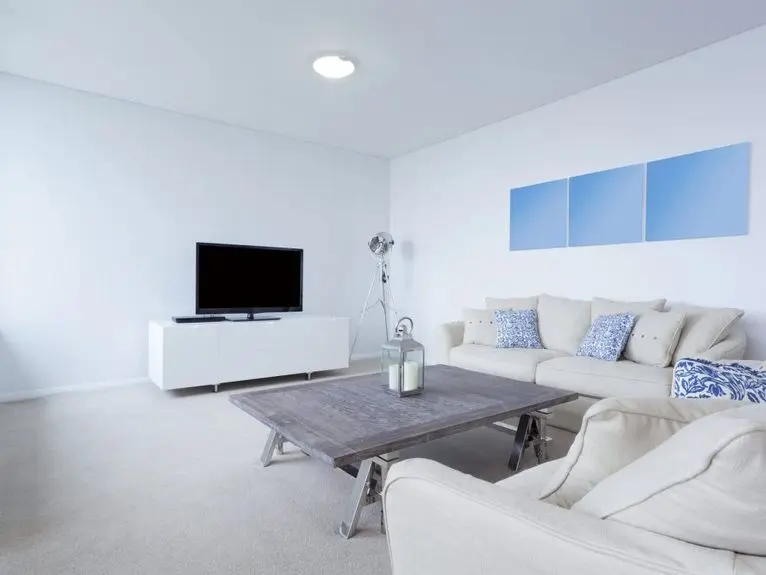
- Bedrooms & living rooms: Great late winter through spring and early fall—easy to stabilize RH and temp.
- Kitchens & baths: Year-round with AC/heat running; use exhaust fans post-coat to purge humidity from showers or cooking.
- Basements: Best in summer with AC and a dehumidifier, or in winter with heat; avoid shoulder-season dampness without mechanical drying.
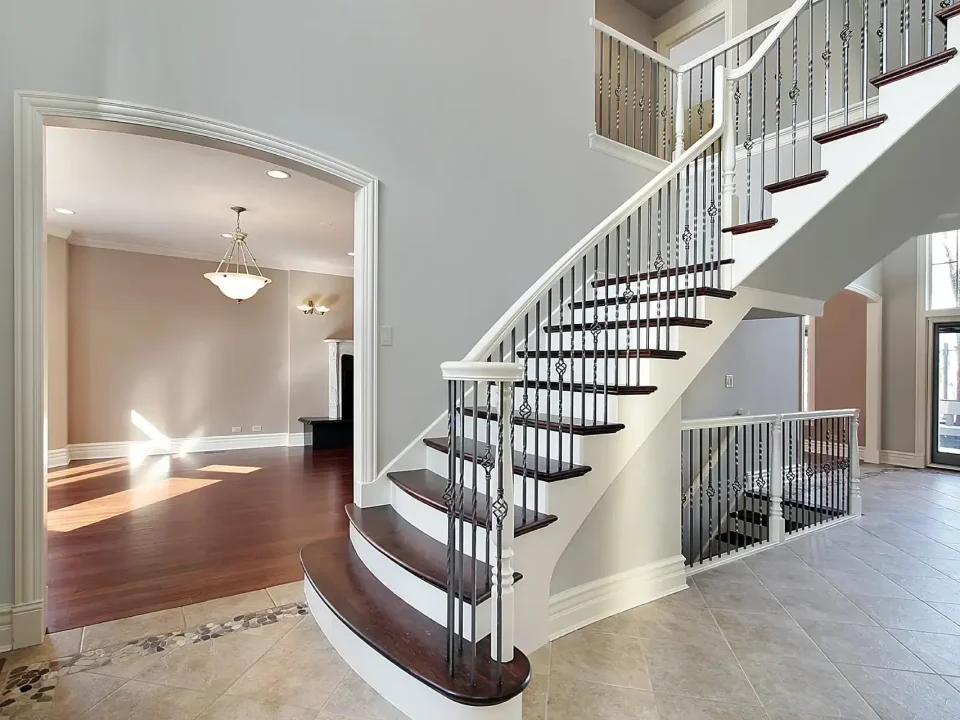
- Two-story foyers/stairwells: Winter is excellent (lower pollen/dust), but any season works with controlled airflow.
Occupied vs. vacant homes
- Occupied: Stage rooms (e.g., bedrooms Mon–Tue, living spaces Wed–Fri). Keep pets out and plan gentle ventilation windows.
- Vacant: Faster throughput; you can keep RH/temp perfectly steady and coat multiple rooms each day.
Paint choices that help in tricky conditions
- Low-odor, low-VOC interior lines make winter painting comfortable with windows closed most of the day.
- Eggshell/matte for walls reduces glare and hides minor roller overlap if RH slips a bit.
- Satin/semigloss for trim cures harder and resists scuffs from winter gear.
- Color planning: Warm neutrals and mid-tones read richer in short daylight; if you prefer light, choose creamy off-whites over cool whites.
Timing a multi-room project (example 1,900–2,200 sq ft home)
Week 1 (Mon–Fri):
- Mon: Protect, patch, sand; run HVAC steady at 70°F, RH 45–50%.
- Tue–Wed: Prime repaired areas; first coat main living spaces; 10–15 min controlled ventilation between coats.
- Thu: Second coat walls; start trim where first rooms are curing.
- Fri: Trim second coat; doors off-site or on trestles if needed; final light ventilation.
Week 2 (Mon–Thu):
- Bedrooms and hallways by zones; punch-list and touch-ups; remove protection; return plates/hardware.
This rhythm avoids crowding fresh paint and keeps conditions consistent across rooms.
Common seasonal issues—and easy fixes
- Lap marks (too-fast dry): RH too low or airflow too strong. Add humidity to ~45% and reduce fan speed. Keep a wet edge and roll the wall from top to bottom.
- Slow cure/soft film (high RH): Run AC/dehumidifier to 45–50% RH. Increase room temp to ~72°F.
- Flashing over patches: Prime repairs; maintain steady temp to reduce sheen changes.
- Tackiness on trim: Increase airflow slightly—but indirectly. Avoid blasting a fan at the surface.
Winter tip: keep paint from freezing
Water-based paint left in a cold garage, shed, or car trunk can thicken or freeze, which hurts how it flows and bonds. Through the winter:
- Store paint indoors in a heated space, and bring it into the work room ahead of time so it reaches room temperature before you open it.
- Warm cold paint gradually at room temperature, then stir thoroughly to restore its consistency.
- Check the label for the manufacturer’s minimum application and storage temperatures.
- Don’t use paint that stays lumpy or grainy after warming and stirring; it won’t give you a smooth finish.
Winter tip: plan around short days
With limited daylight, schedule the work so finish coats go on while you have good light. Handle prep (taping, patching, and priming) early, and save the topcoats for midday, when natural light makes it easier to spot thin areas and missed spots. Keep an eye on the forecast too: a sharp overnight cold snap can chill exterior walls, so hold the heat steady through the evening while the paint is still curing.
A simple planning checklist
- Pick a two-week window with your family calendar in mind; avoid big gatherings mid-project.
- Decide room order and sleeping arrangements for a phased approach.
- Set HVAC to constant hold at 68–72°F.
- Stage a humidifier or dehumidifier based on the season.
- Stock fresh filters and painter’s plastic to keep dust down.
- Confirm dry times and recoat windows on the product data your contractor provides.
What about holidays and school breaks?
- Winter break: Great for bedrooms and hallways—cold outside, stable inside.
- Spring break: Excellent for whole-home refreshes before the busy summer.
- End of summer: Knock out basements and media rooms with AC/dehumidification dialed in.
Local considerations across our service area
- Historic homes (Frederick, parts of Carroll/Washington): Plaster repairs prefer steady heat in winter or controlled AC in summer; avoid big humidity swings.
- Newer builds (Howard/Upper Montgomery): Open plans benefit from shoulder seasons for color matching under strong daylight; trim cures cleanly with AC.
- Basements near creek valleys: Summer dehumidification is key; winter heat is your friend.
Why do many Frederick homeowners paint in late winter
- Indoor schedules are calmer, outdoor commitments are fewer, and heating provides a more predictable RH. You’ll also enter spring with a fresh interior so the rest of the year feels lighter—without sacrificing curb quality.
Ready to schedule?
We’ll plan the room order, manage RH and temperature, and keep your home tidy day-to-day. Get a quick, clear plan with residential painting—we’ll align your project with the best interior conditions for strong, even cures.
FAQs
What if my home runs dry in winter (RH <30%)?
Add a portable or whole-home humidifier to reach ~40–45% RH. Work in smaller sections to keep a wet edge and reduce lap marks.
Can I crack open windows while the paint is drying in summer?
If it’s humid outside, rely on the AC and a dehumidifier instead. Open briefly (10–15 minutes) only if indoor RH stays under ~55%.
Is there a perfect month to paint in Frederick?
No single month is “perfect,” but late winter–spring and early fall make it easier to hit 70°F and 45–50% RH without fighting the weather.
Will paint smell linger if windows stay closed in winter?
Low-odor, low-VOC paints, plus short, timed ventilation and steady heat, clear normal paint smell quickly—usually the same day or the next morning for bedrooms.
How long will it take before I can put the rooms back together?
Most walls are dry to the touch in 1–2 hours, recoat in 2–4 hours, and ready for light use overnight. Full cure takes longer; be gentle on freshly painted trim for several days.

Shawn Zimmerman started painting in the summer of 1991, the year before he graduated high school. Shawn decided to pursue his career in the family business and continued to develop his skills in the trade while also developing the necessary skills to manage the business. Shawn enjoys being outdoors, canoeing, camping, hiking, hunting, fishing and spending time with family.